August 2026
Rio de Janeiro
August 16. Leaving London on an 11 hour overnight flight to Rio de Janeiro Brazil, our 10th country (including starting out in Hawaii in the US). I’ve never been, so I’m excited. Dave was in Rio 10 years ago for work and loved it so he’s looking forward to seeing more. But I’m having a rant at British Airways for being the worst flight we’ve been on since leaving in April (ironically with the airline of our native country). Bulkhead in economy but crazy narrow plane seats, the space so squeezed that the crew are accidentally knocking in to Dave repeatedly, splashing milk on his clothes, three seats where there should be two. The plane staff are embarrassed…and apologising.
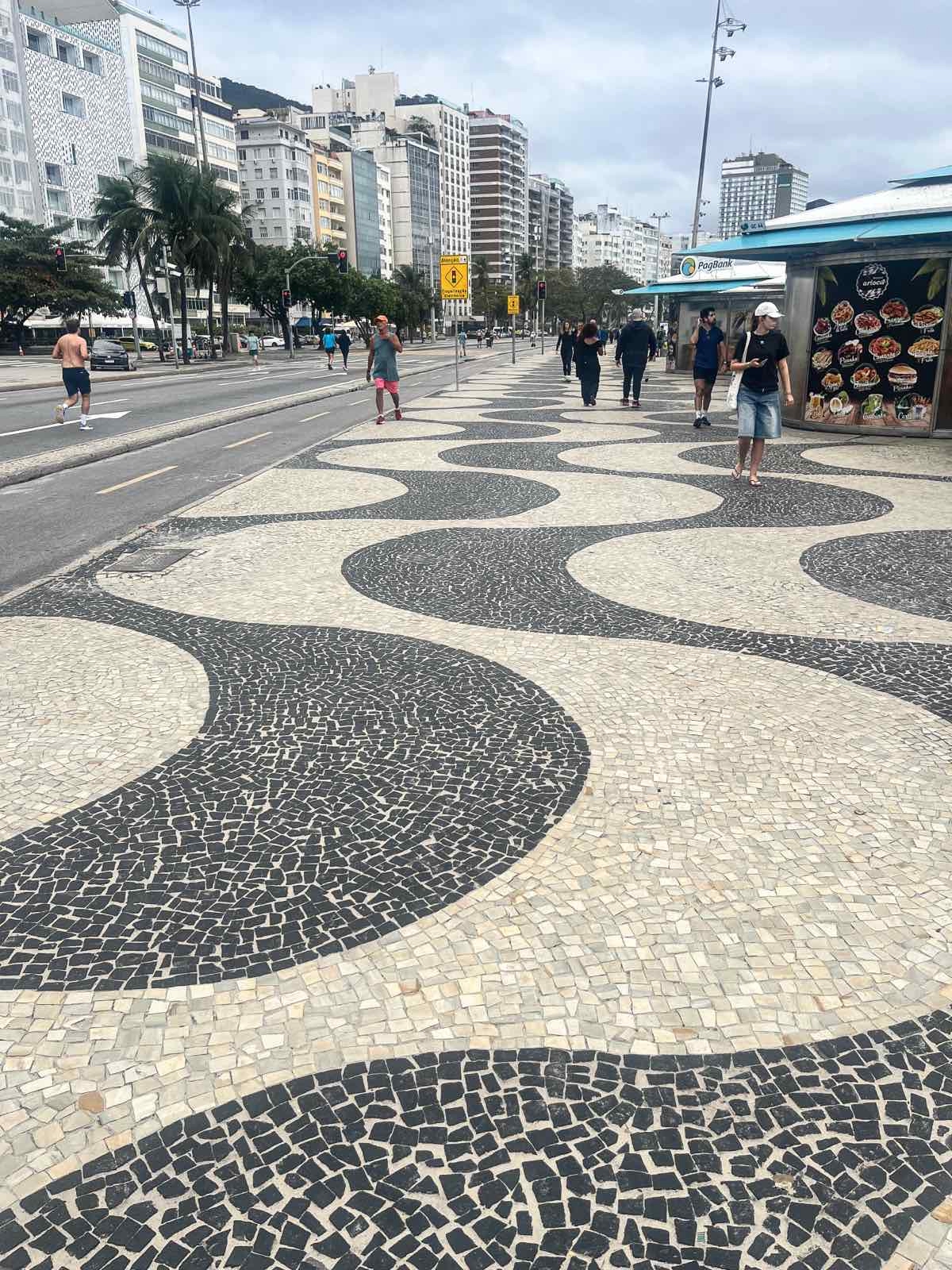
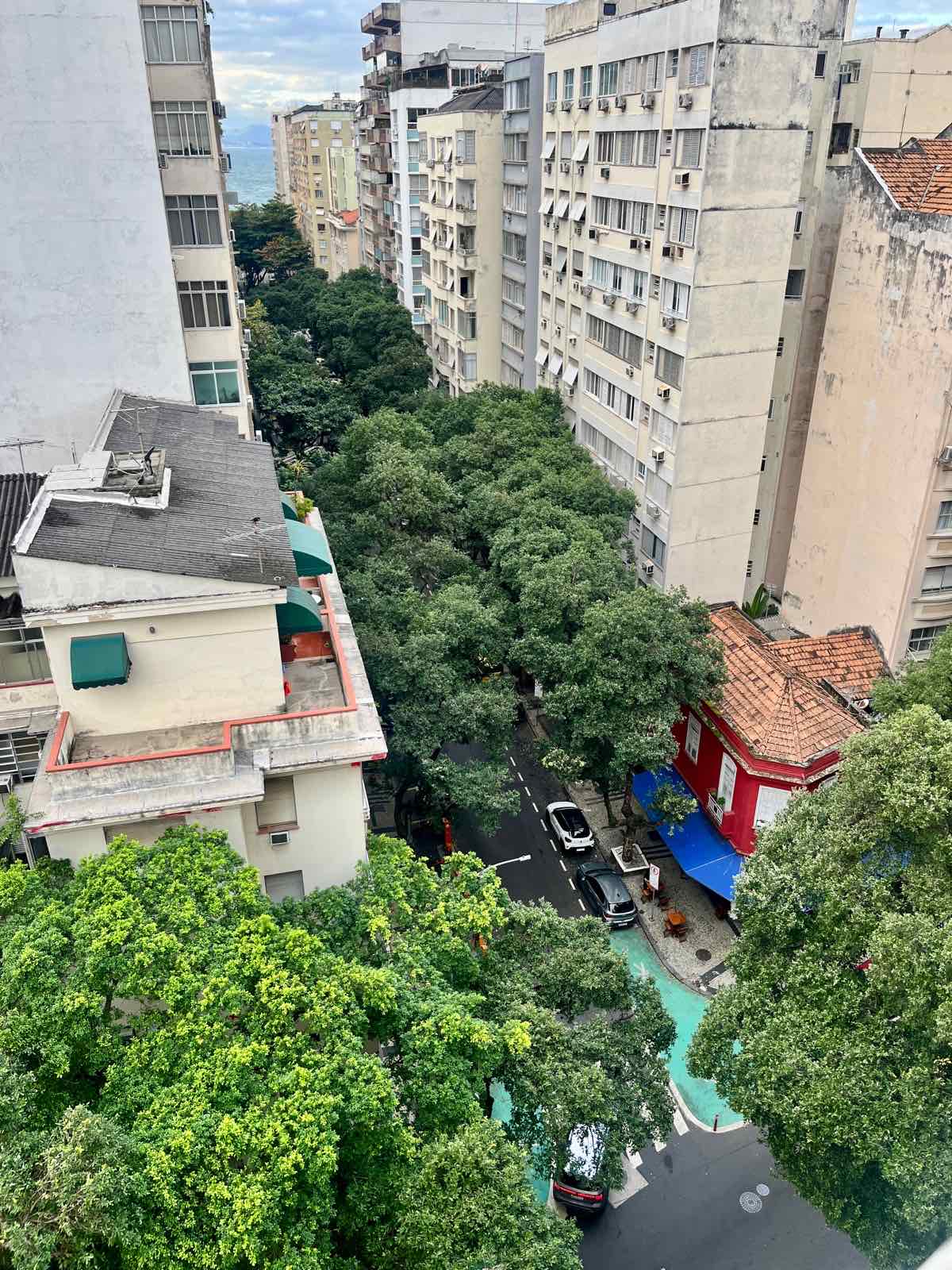
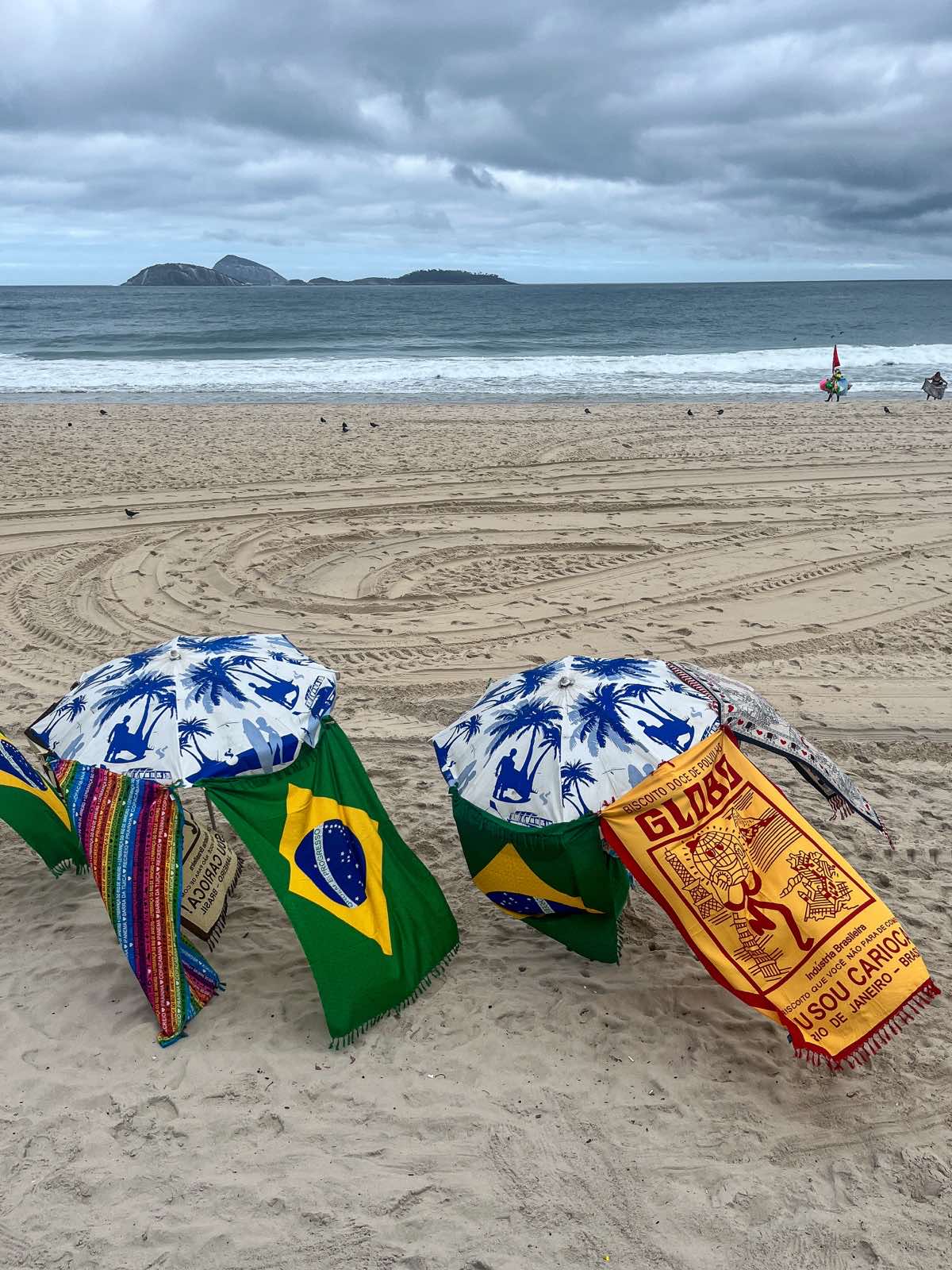
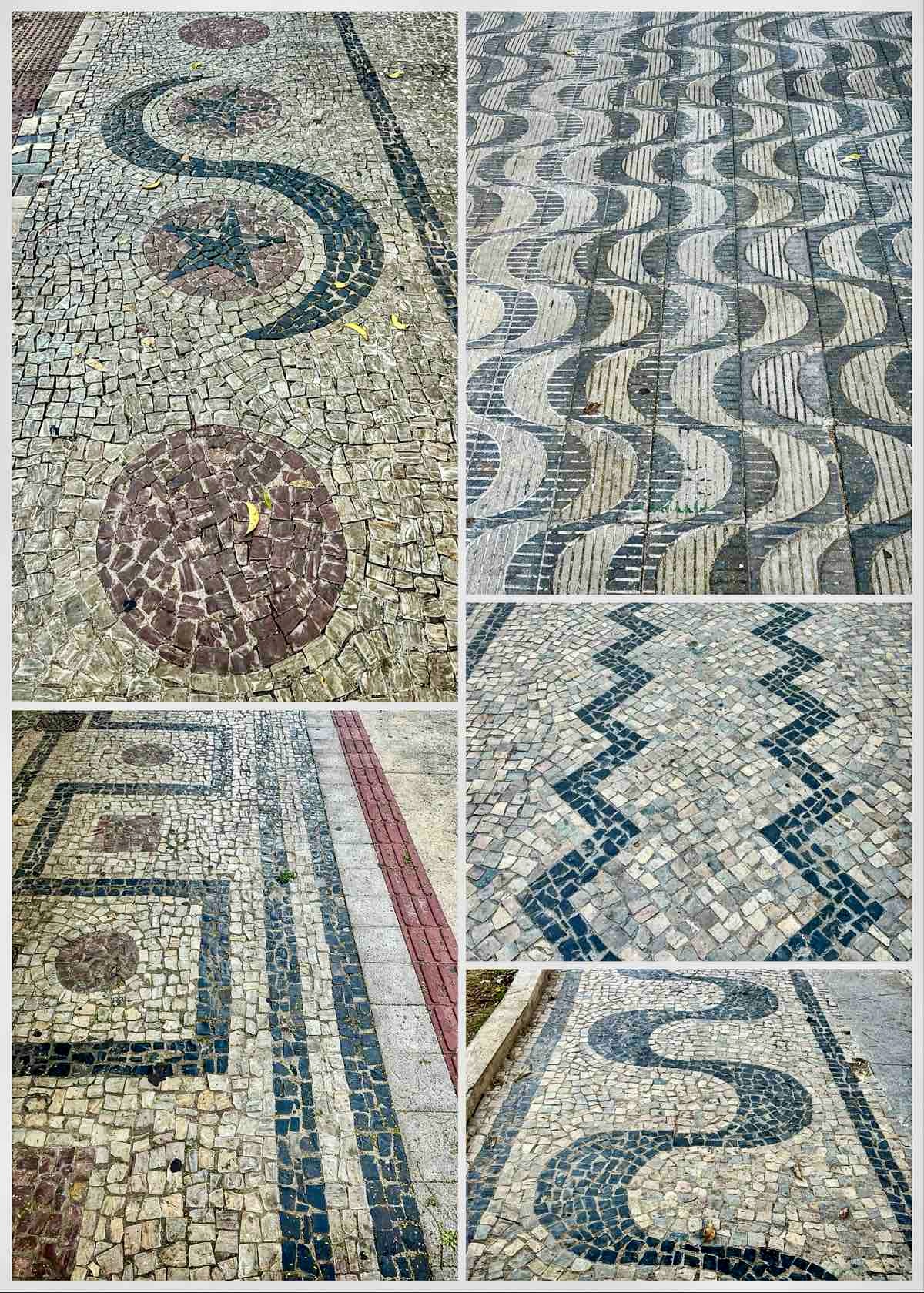
A car ride to the hotel arriving at 6am…we can’t check in until 2 but they let us dump our bags so we can head out into the quiet of Sunday morning. There’s a marathon running the road alongside Copacabana beach. Copacabana! I’ve heard the name so many times and here I am walking the black and white cobbled pavements (which are are beautiful) down on to the infamous beach. It’s overcast and cooler than we’ve been in a long time.We eat at a cafe owned by a friend of Tulio’s, our Brazilian friend back in New York… sitting at an outside table watching the marathon runners and young women in bikinis carrying surfboards on to the beach. It’s way more homegrown than I imagined…hearing the names Rio, Copacabana, Ipanema I expected body conscious glamour. Refreshingly it’s not like that, it’s a beach community with a real mix of different people and much better for it.
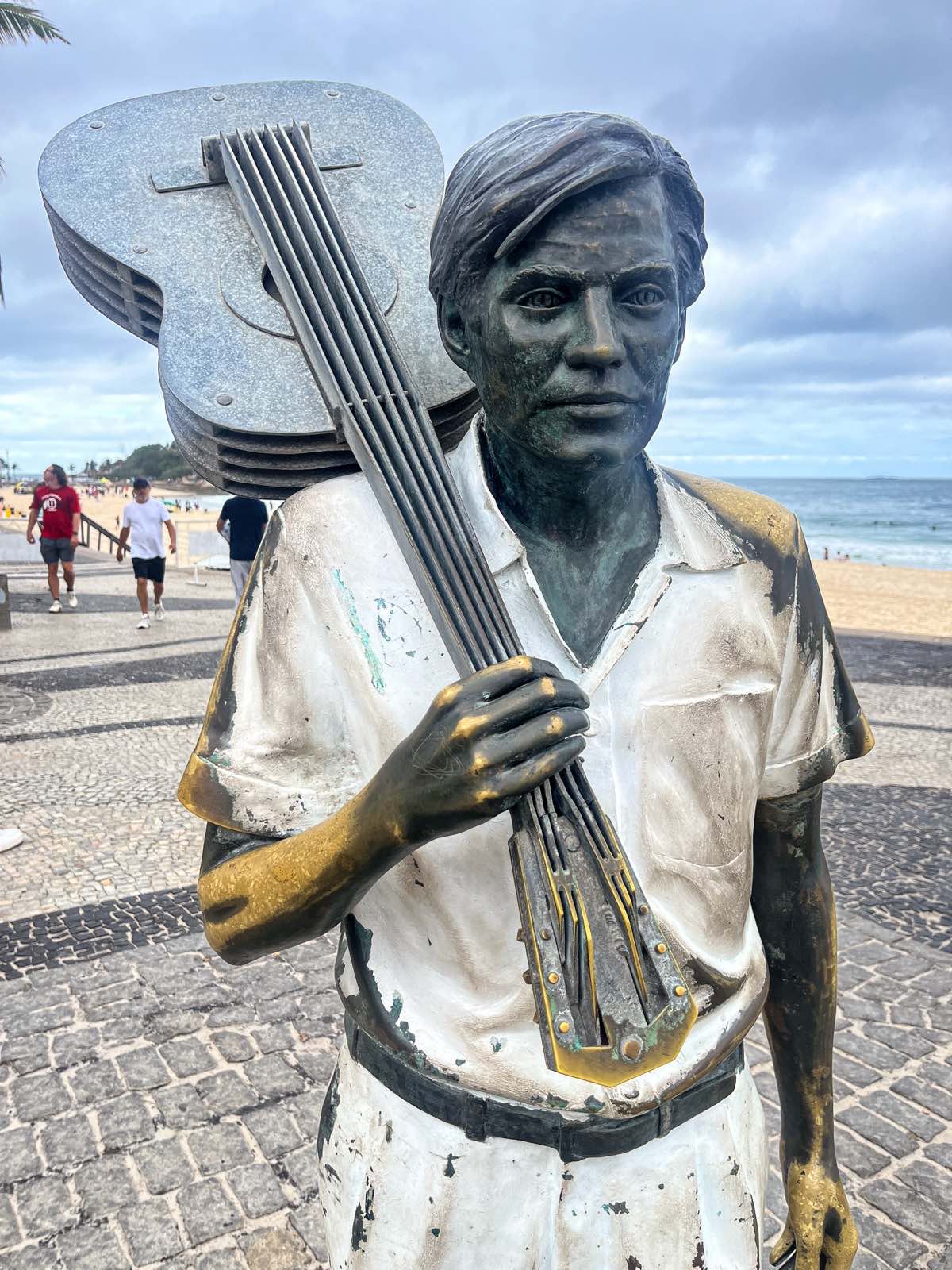
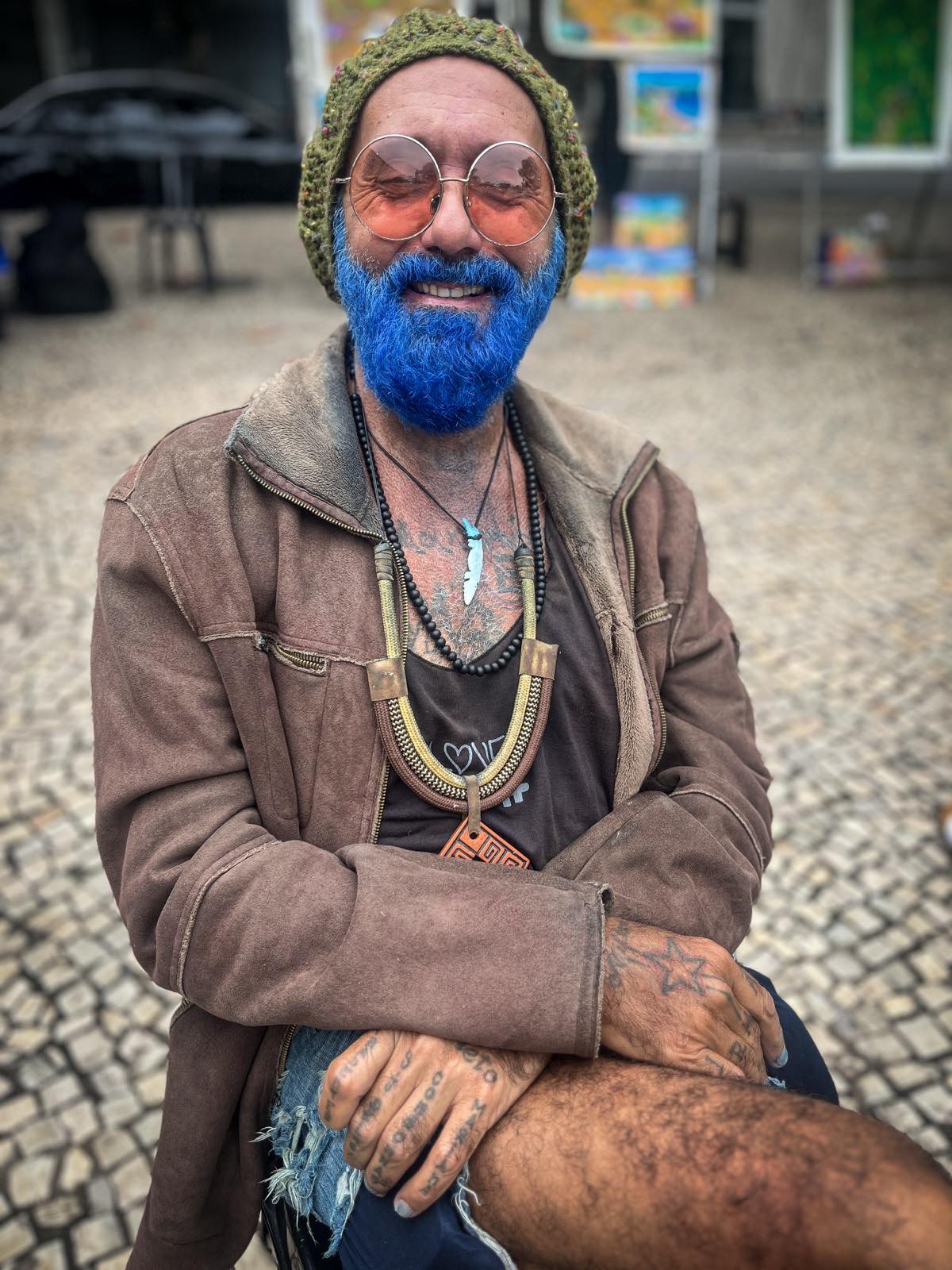
We bypass the long line for the Fort instead following Ipanema beach, seeing the statue of Antonio Carlos Jobim, writer and original performer of 1960’s Bossa Nova classic ‘The Girl from Ipanema’…the inevitable ear-worm for the rest of the day. We’re on our way to the Sunday Hippie de Ipanema (Hippie Market) at Praça General Osório in Ipanema. Stalls of jewellery, crochet and a lot of tie-dye…pretty much everything you’d expect from something called a Hippy market. We meet Marcelo de Cesar selling his paintings, he jokingly tell us he uses his spare paint to colour his beard. A lovely man, big smile.
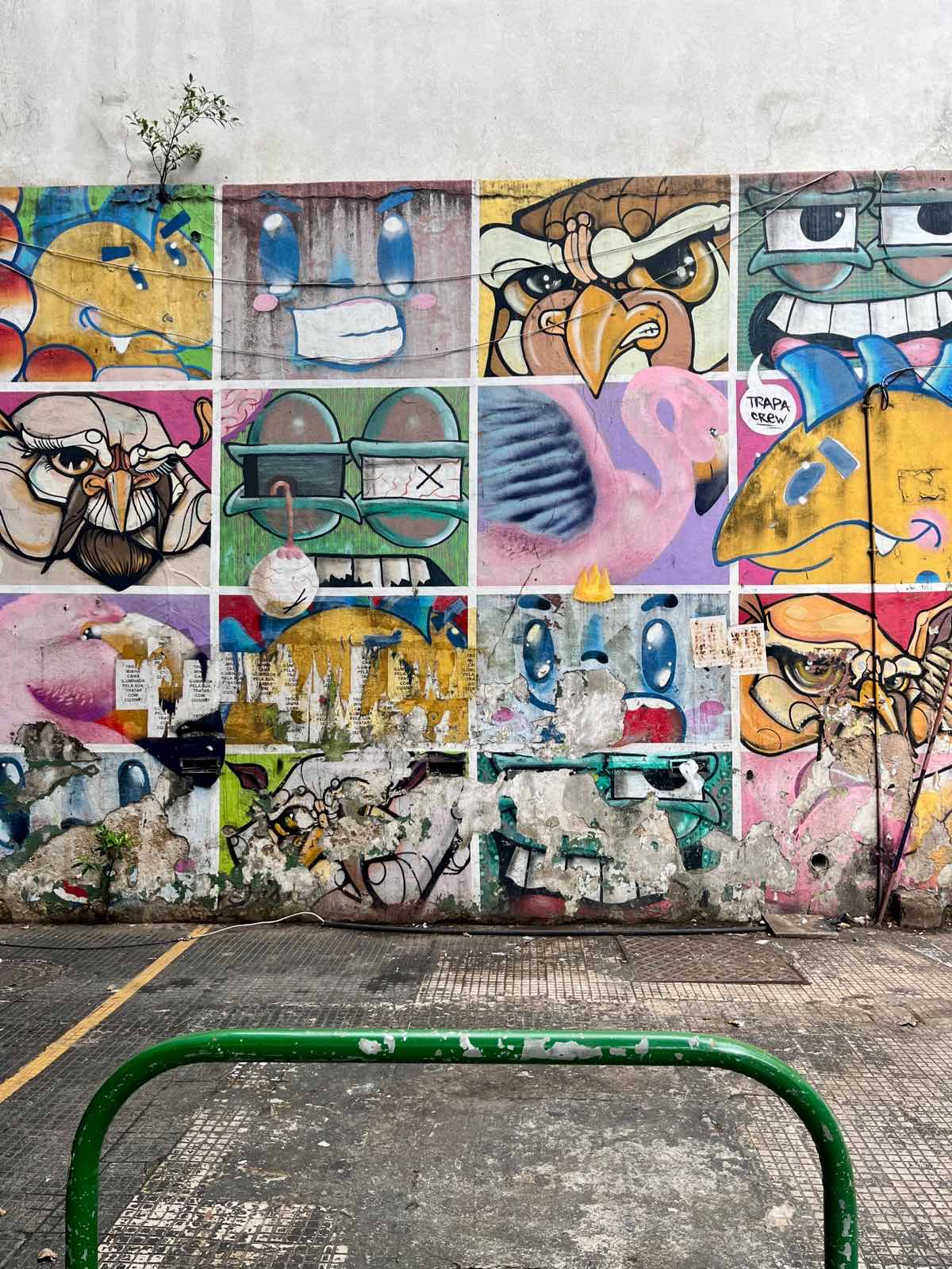
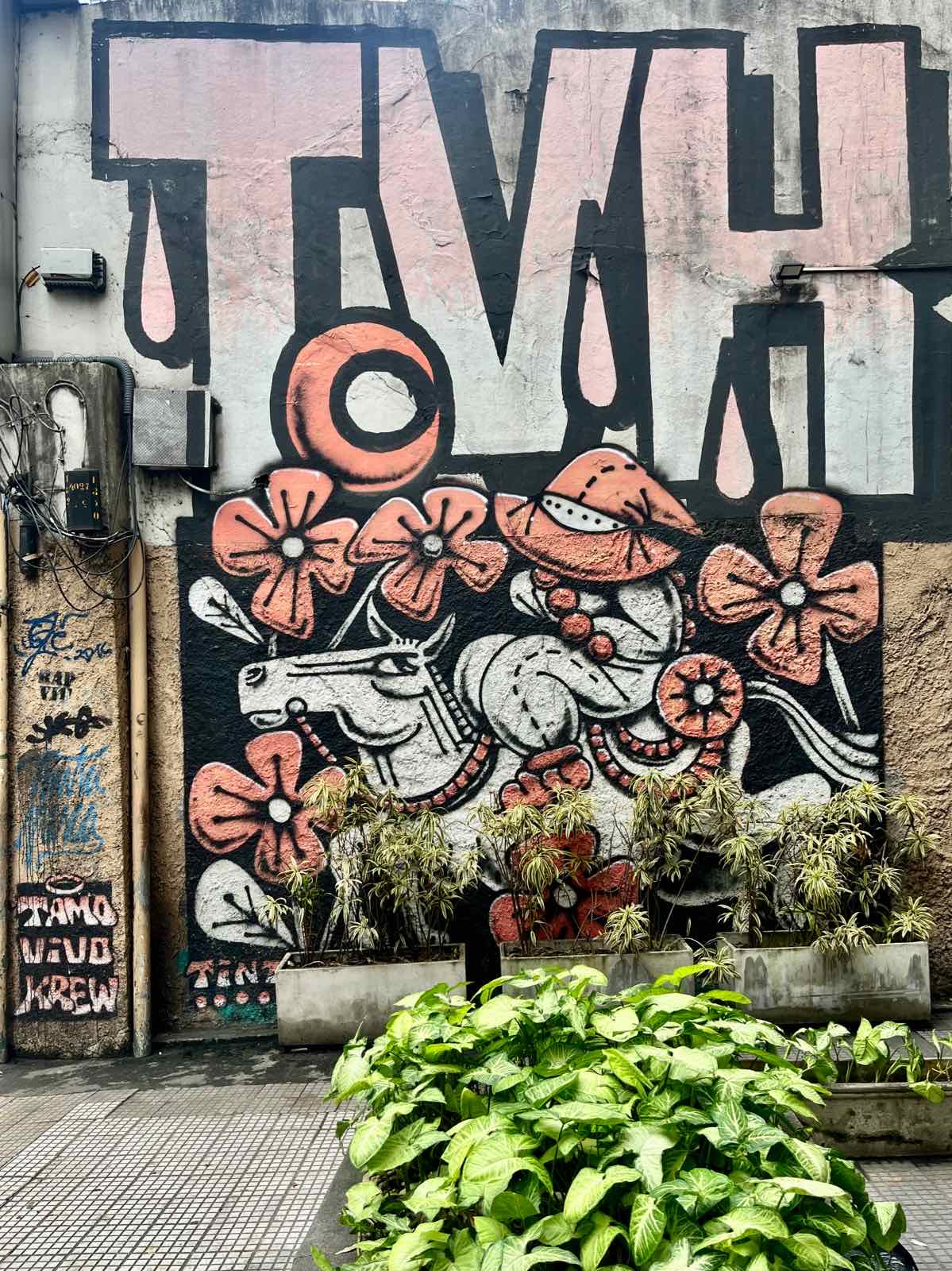
Another cafe. I’m so tired from the sleepless flight I can barely keep my eyes open but still 4 hours until check in. We sit among the potted plants and wrought iron garden chairs of the tiny but attractive Chalé Ipanema on R. Prudente de Morais. We eat cheese bread, gooey and warm, a local favourite. From the General Osorio station of the MetrôRio we take a train going to Uruguai getting off at Botafogo. We wander a few of the streets where there’s some great street art but not much going on, residential blocks, shuttered shops…maybe it’s because it’s Sunday or maybe it’s more a nighttime place of restaurants and bars.
We head back to Ipanema to the appropriately named Bossa Nova Hotel. It doesn’t feel very bossa nova-ish…everything except the floor is white and looks like an institution, the lights are glaringly bright, but the staff are friendly and it’s a big room. I crash out on the bed, asleep in minutes. Out again later to eat excellent pizza at Daka Pizzaria on Rua Gomes Carneiro, a few minutes walk from the hotel. The staff are fun and it’s a little great place with a good looking bar. The Samba playlist is amusing to guess ‘name that song’; who knew a smooth samba version of Nirvana could actually sound pretty good. I could eat here every week.
Rio de Janeiro Day Tour
August 17. We’ve hired a guide for the day, Dave met Vicente 10 years ago when in Rio for a business trip. This time Vicente is accompanied by his friend and driver, Alan. They pick us up at 8.30am and we drive by the beautiful Lagoa Rodrigo de Freitas (lake) along Av. Epitacio Pessoa, through a tunnel dug through the mountain north to south to Christ the Redeemer. It’s a long steep drive to the top of Corcovado mountain in Tijuca National Park and it’s already crowded at 9.30. The sky is a brilliant cloudless blue so we’re all in for the perfect view of this massive statue. In the car park we see a South American Coati (or Quati) with its bushy long ring-striped tail. It’s known for its social behaviour and opportunistic scavenging, I watch as it walks nonchalantly under the legs of a seated man looking for food scraps. Walking up the steps to the statue Capuchin monkeys are climbing the trees, approaching tourists for food then darting away.
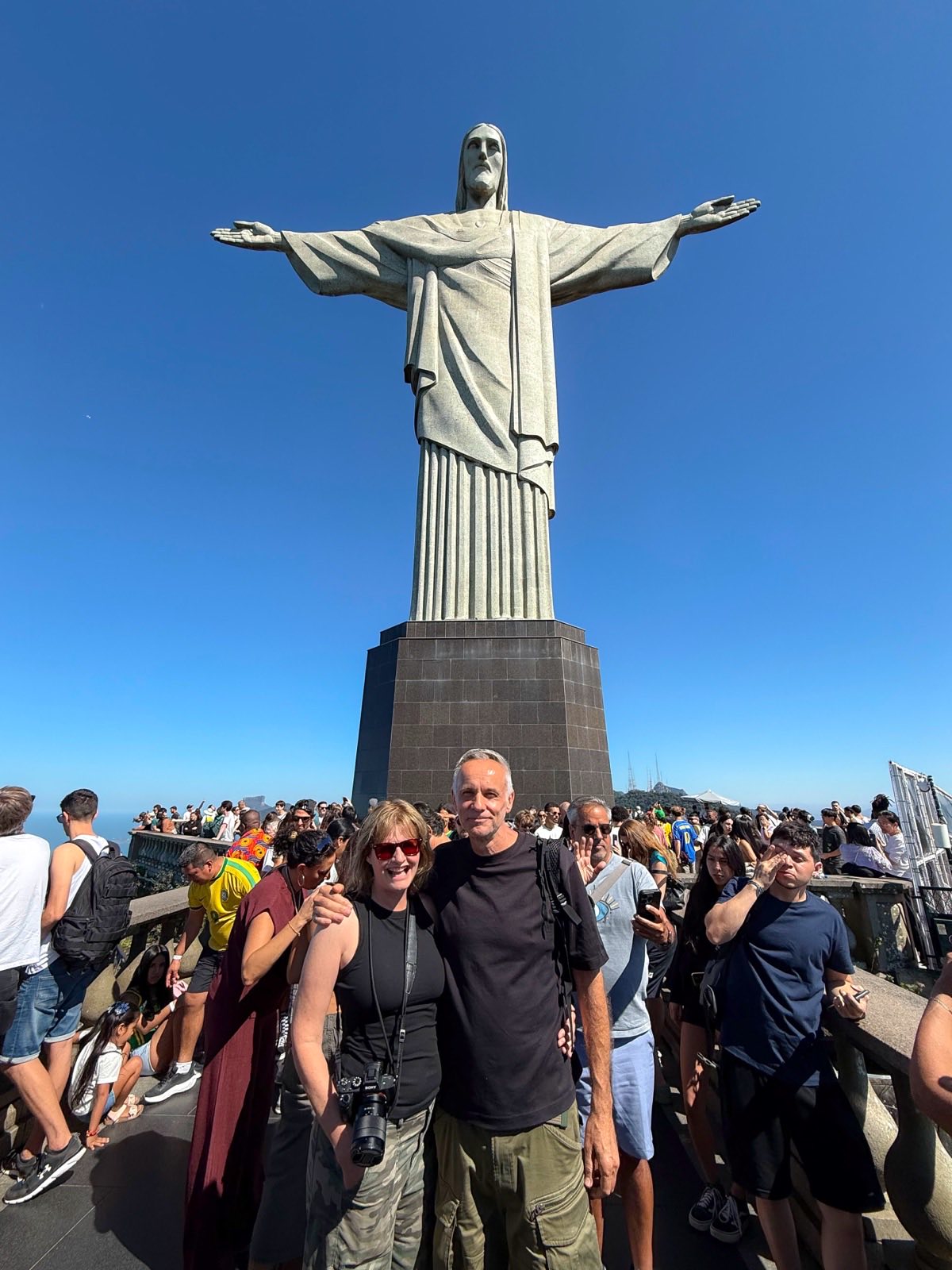
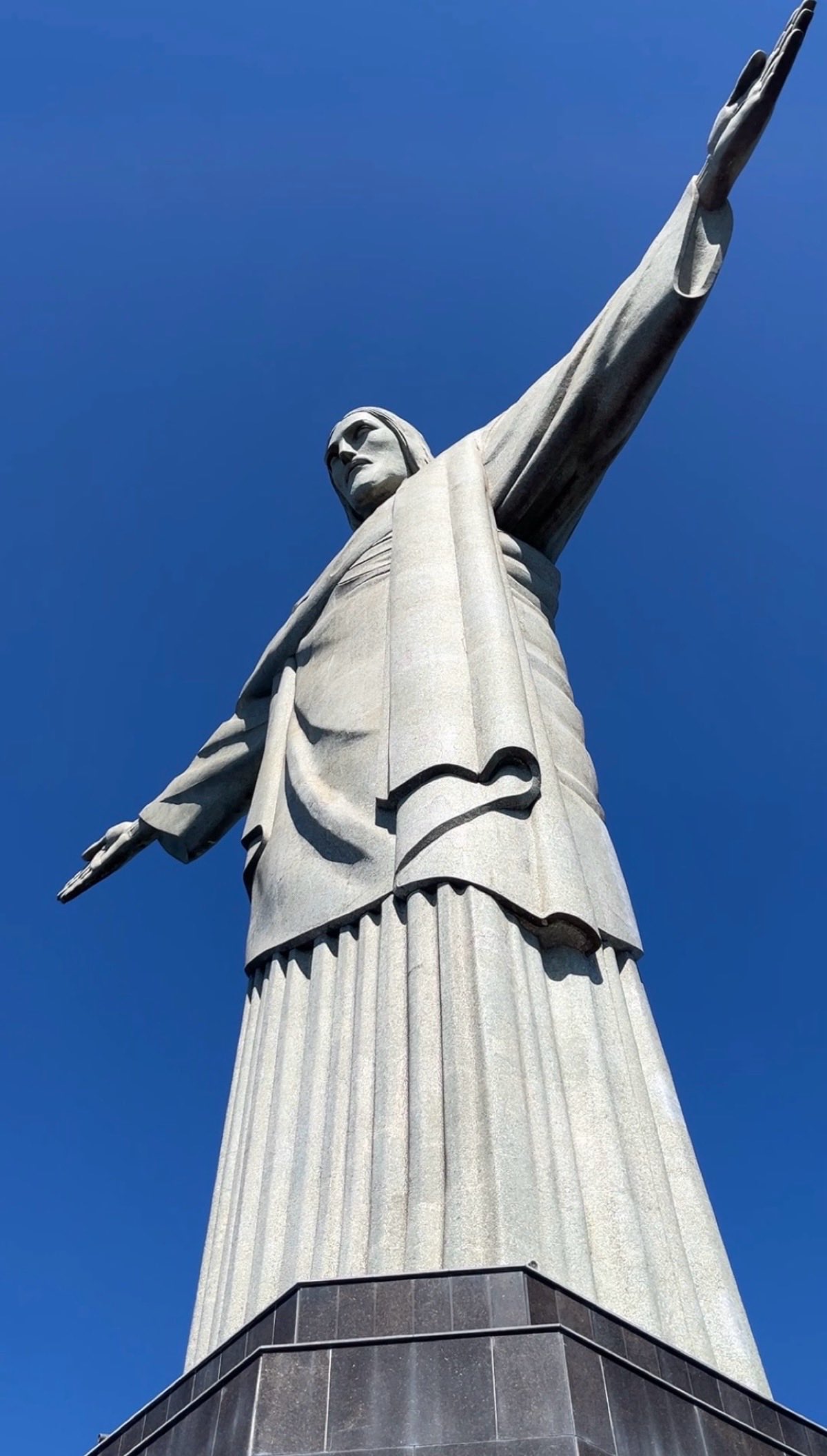
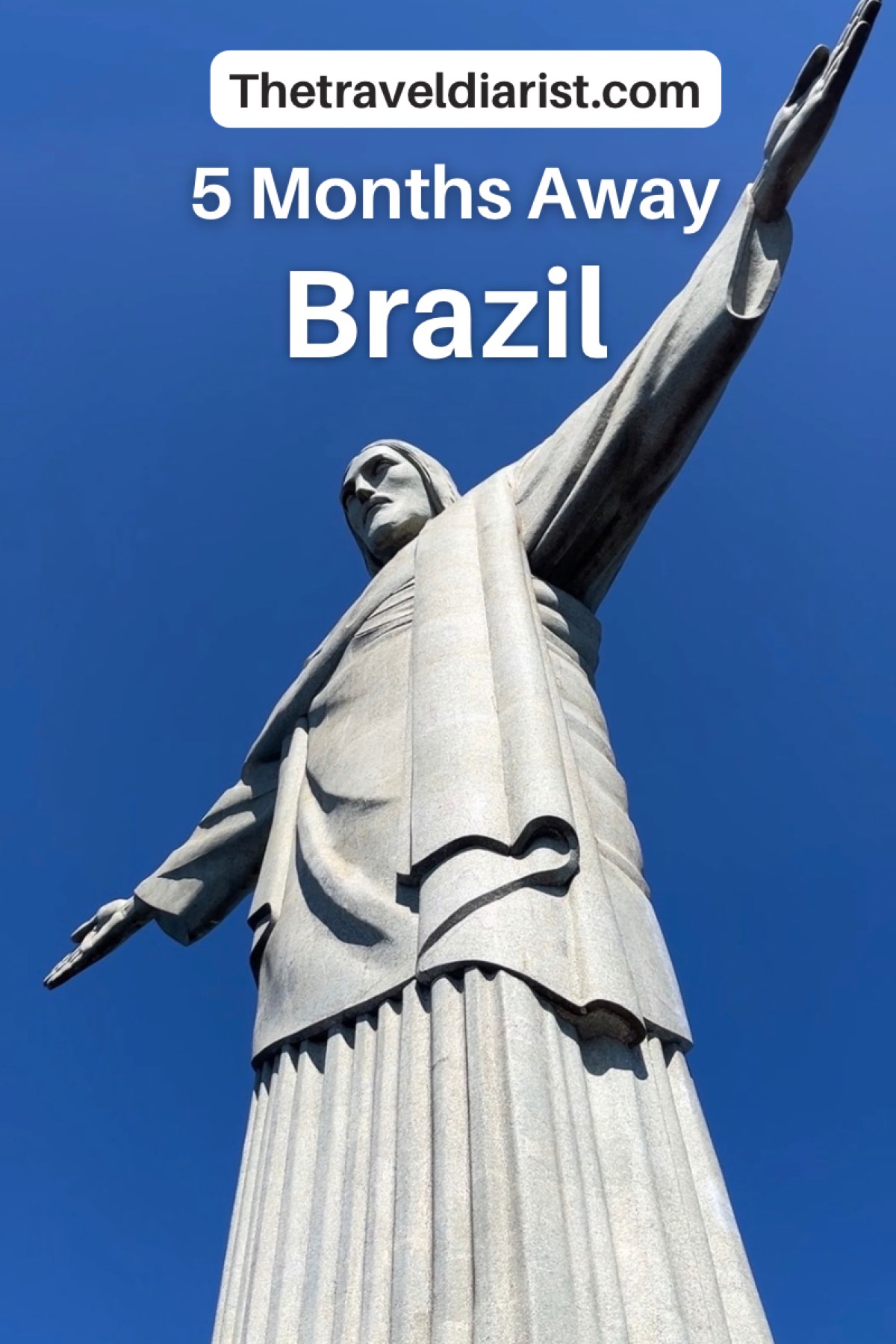
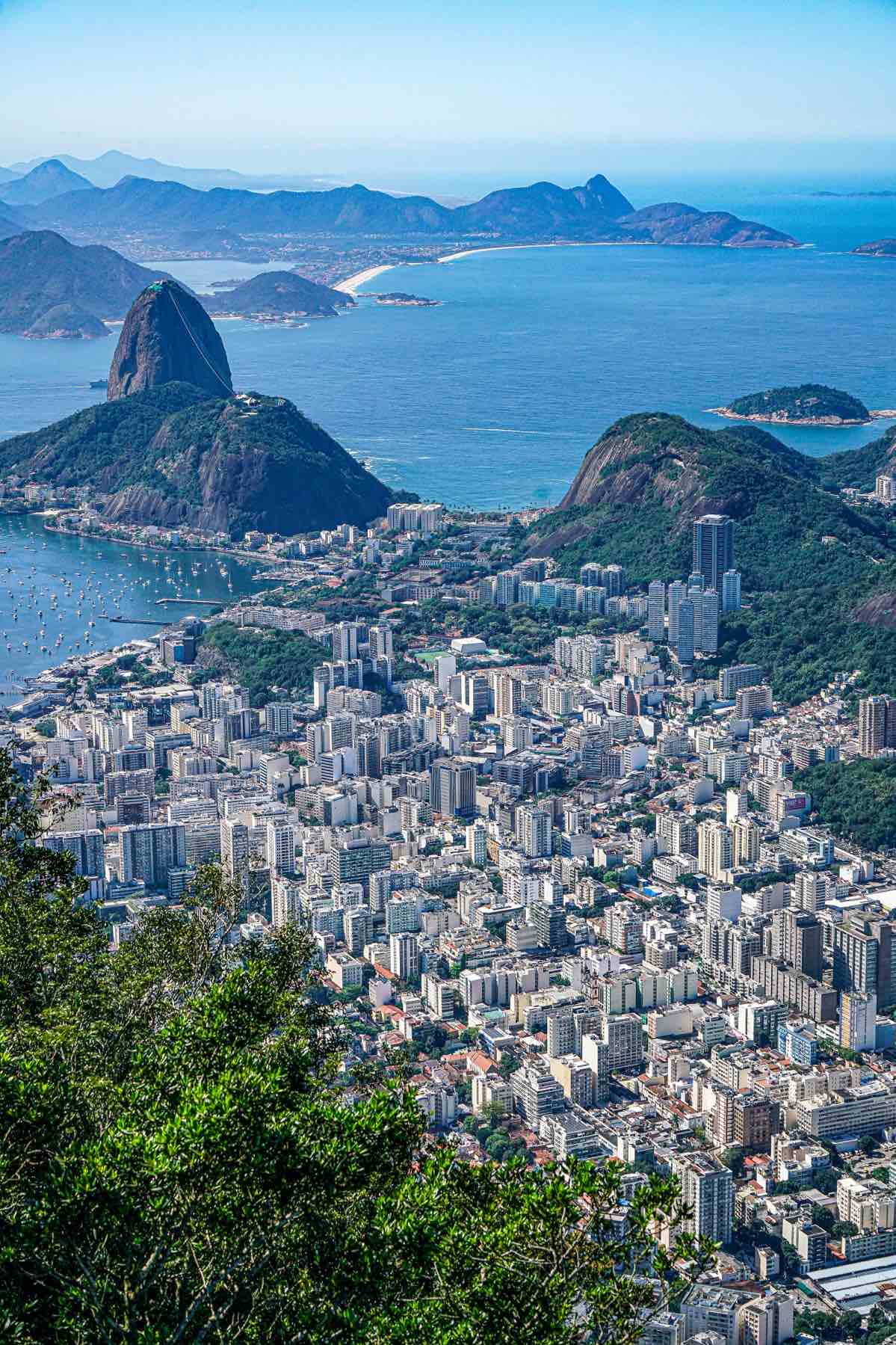
Our ticket is for 10am and the schedule is being strictly adhered to, to control the amount of people onsite. Christ the Redeemer (Cristo Redentor) was constructed in 1922-1931, stands 98ft tall and spans 92 feet across. As Vicente points out; this is not the suffering Christ so often displayed nailed to a cross…this is Christ depicted as giving love, his arms outstretched to the world. It’s an intriguing construction, consisting of an inner core of reinforced concrete covered with a mosaic of thousands of triangular soapstone tiles applied by hand. And the views from the top are stunning, looking out across Guanabara Bay and Sugarloaf Mountain…the city laid out right to the sea.
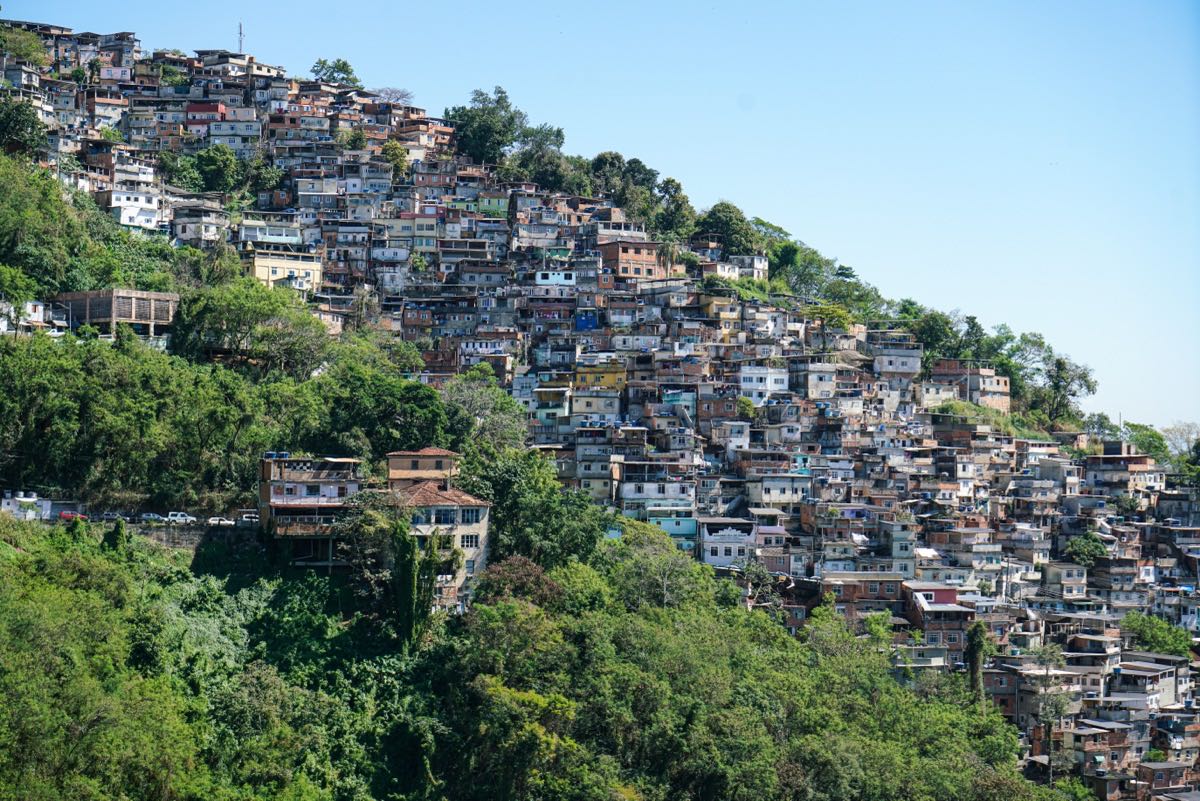
Driving to our next destination we stop at an overlook on the side of the road to view the sprawling favela Morro dos Prazeres. A favela (shanty town or slum) is an area where lower income people live in homes usually constructed themselves. Most of these are made from brick rather than flimsier materials but many are built so close together it’s not possible to drive a car through, or as Vicente points out, even a motorbike. It’s not advisable for tourists to wander in to favelas although some tours will take people. There are many across Brazil, some with worse reputations than others… I don’t have the knowledge or experience to speculate on who they’re ruled over by or how people live there. I do know from spending time in Africa that most poor people are fiercely proud of their homes and keep them immaculately clean.
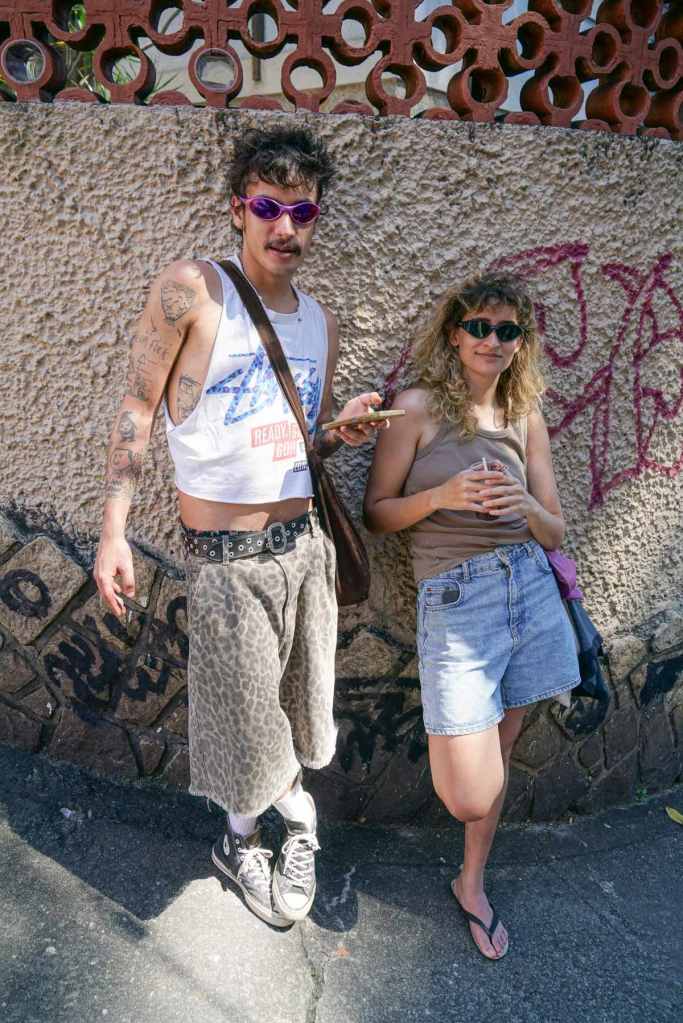
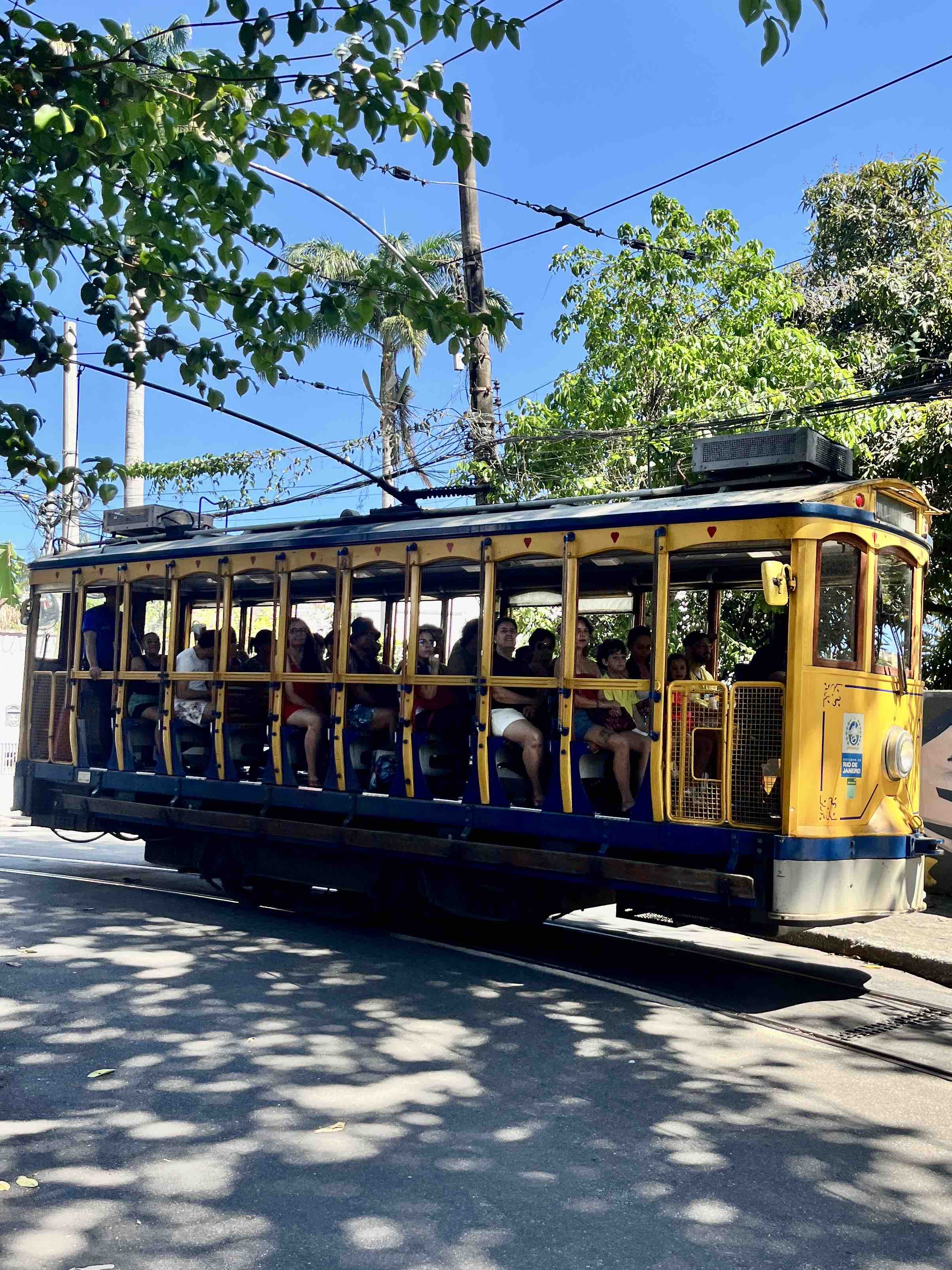
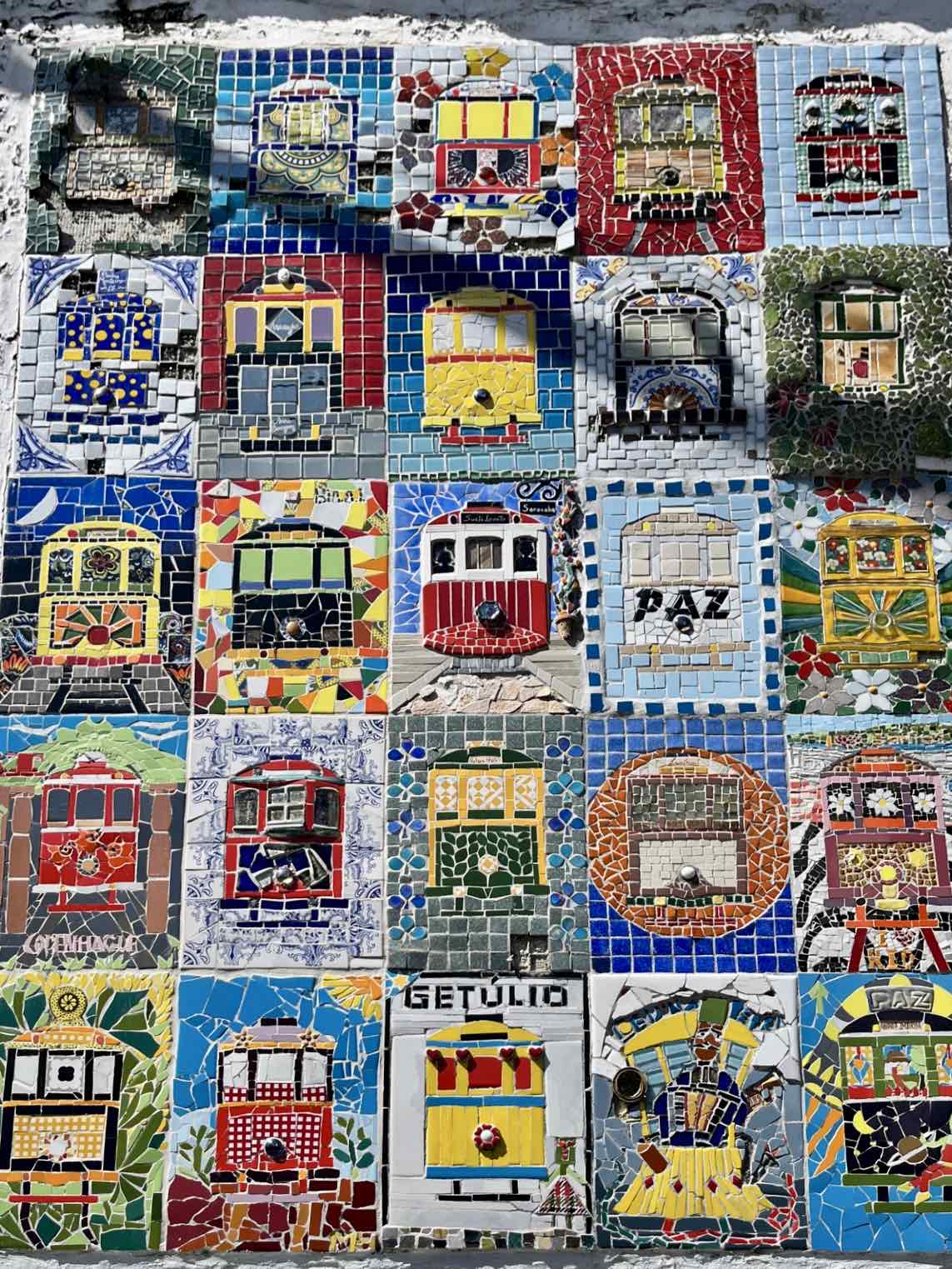
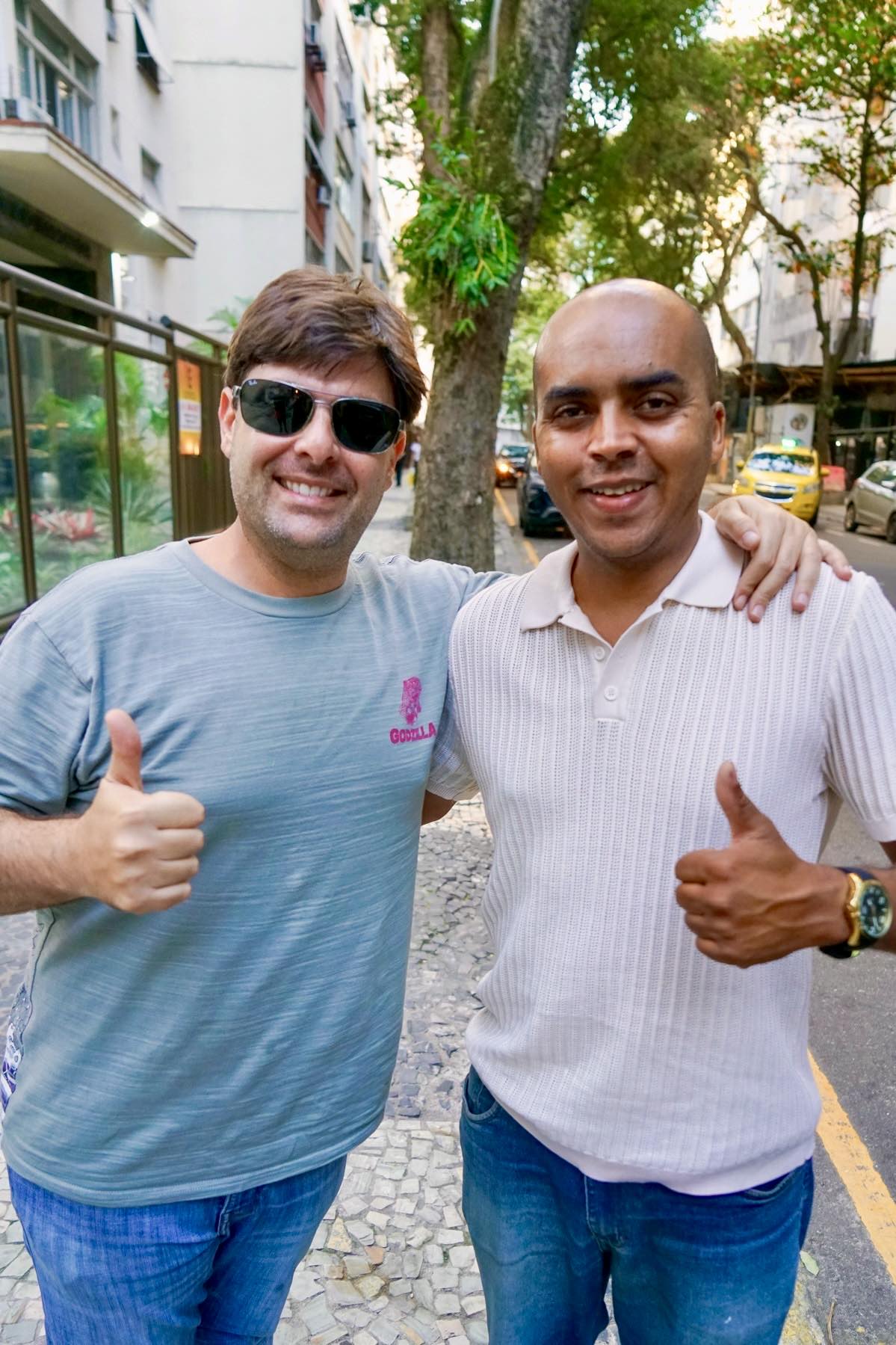
In the creative neighbourhood of Santa Teresa (named after the 18th century convent) we see street murals, boutique cafes and shops, ornate buildings and empty ones boarded up and sprayed with graffiti. Once an upper class neighbourhood now a revitalised bohemian tourist attraction with its steep staircases, cobbled roads, long slopes and narrow alleyways. I talk briefly with Caue and Beatrice…they look great and are surprised when I ask to photograph them. A yellow tram similar to those we’ve seen in Portugal works its way down Rua Paschoal Carlos Magno, passing by a wall covered in handmade tiles depicting it. The 20 metre long artist collaboration consists of 180 individual tiles created to protest the suspension of the historic tram route.
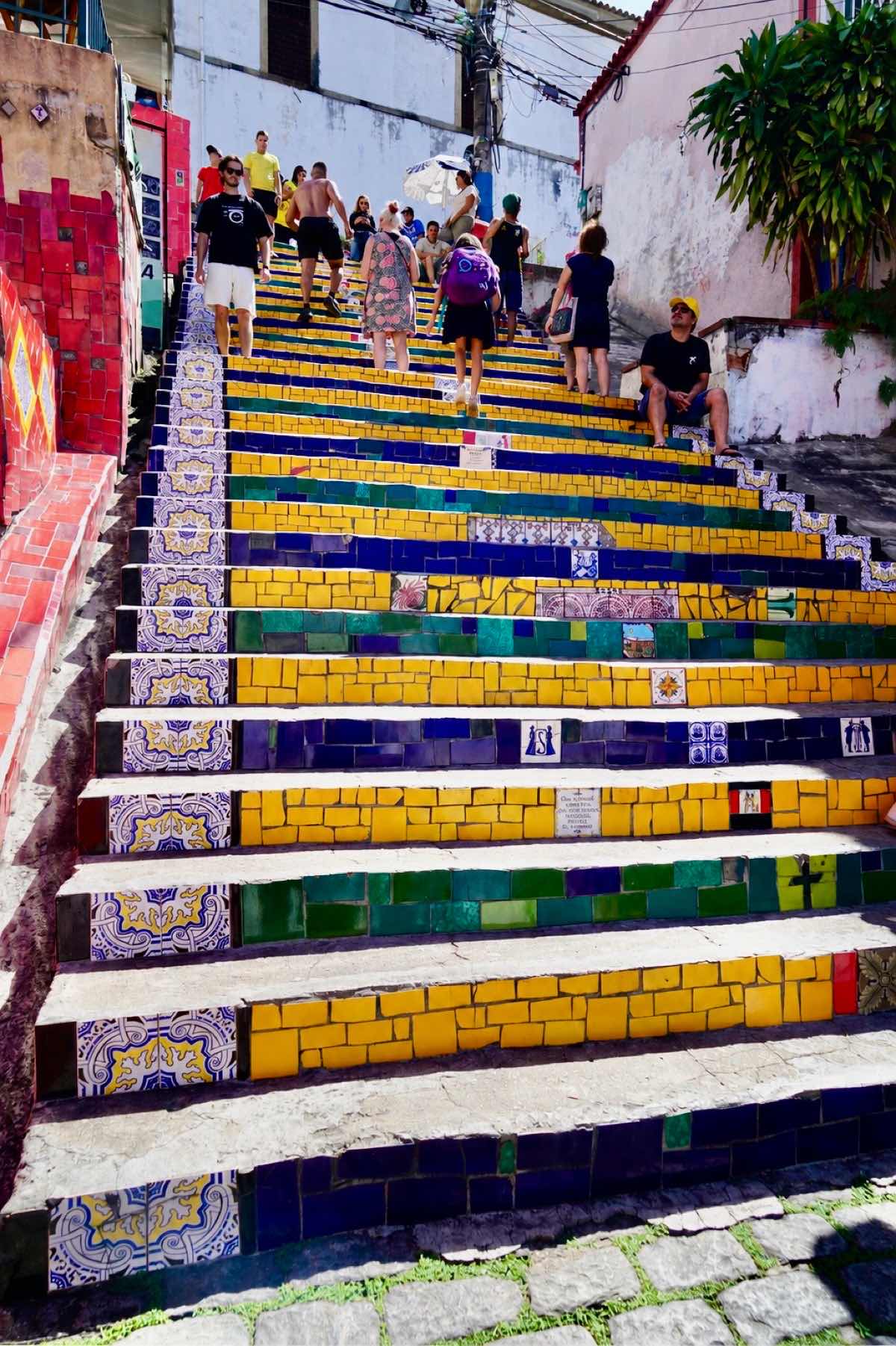
We walk down the Escadaria Selaron steps, a lifelong project by Jorge Selaron a Chilean artist who began renovating them in 1990. They ran right by his house. What began as a hobby became an obsession, 2,000 tiles from over 60 countries. Our guide Vicente had known Selaron, a complicated man, and sadly in 2013 his charred body was found here next to a can of paint thinner. He’d been suffering from depression but had reported death threats. Snoop Dogg and Pharrell filmed the video for ‘Beautiful’ on the steps significantly boosting the number of people visiting, today it’s packed. Towards the bottom I went over on my foot twisting it, painful but mainly an inconvenience; replanning the rest of the day. Alan and Vicente drove us for lunch at Amarelinho da Cinelandia, an old restaurant with distinctive yellow and green awnings on the main plaza of the Cinelandia neighbourhood. The food is good, almost every table inside and out is full. Wait staff constantly circulate the tables, a tradition known as rodízio offering Empanadas, Pastéis, Coxinas, Kibe. It’s a lively atmosphere, sat outside with a view of the grand Theatro Municipal and the Biblioteca Nacional. The waiter brings a bag of ice and I sit with my foot raised, the bag wrapped around it, thankful for the assistance of Vicente and Alan; outside of China, Brazil is the only other country on this trip where little English is spoken.
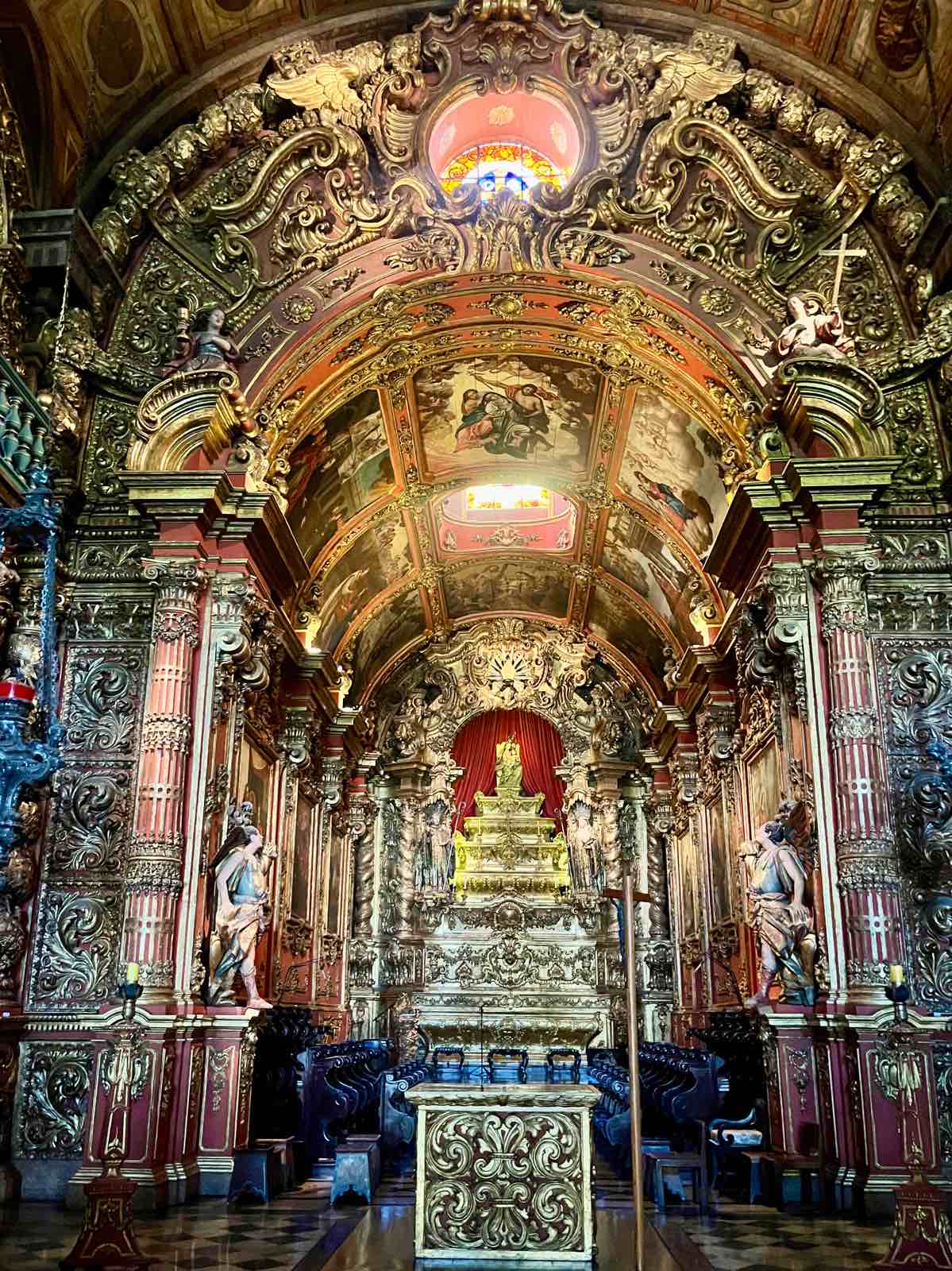
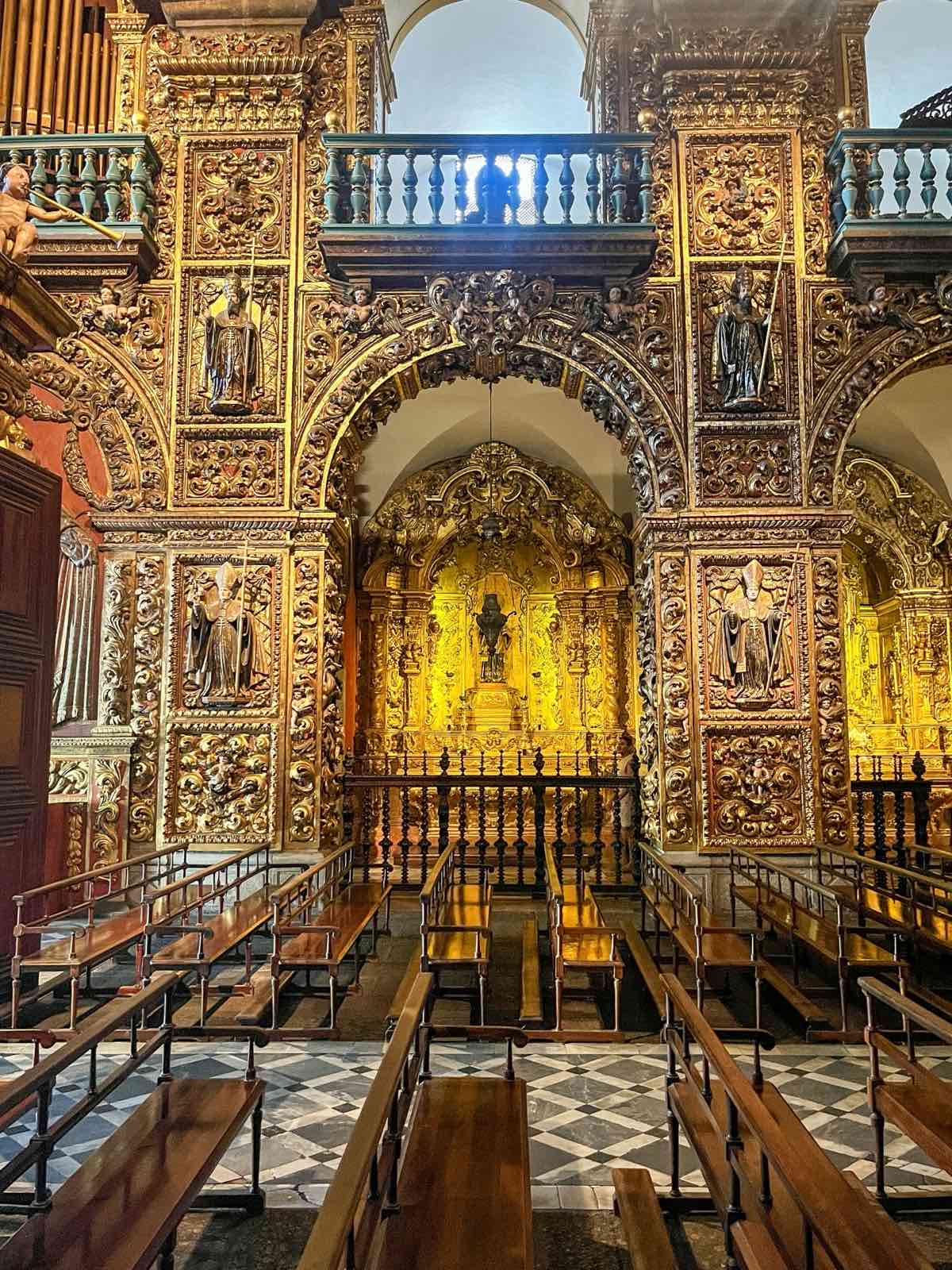
Vicente is on it with the juggling of the itinerary. A drive up a steep hill to the Mosteiro de Sao Bento (the Abbey of our Lady of Montserrat), founded by Benedictine monks in 1590. Its subdued exterior (in the Mannerist style/popular then in Portugal), is a deceptive introduction to its interior; an explosion of gold leaf gilding in the Baroque and Rococo style…fantastically over the top and stunning in its detail.
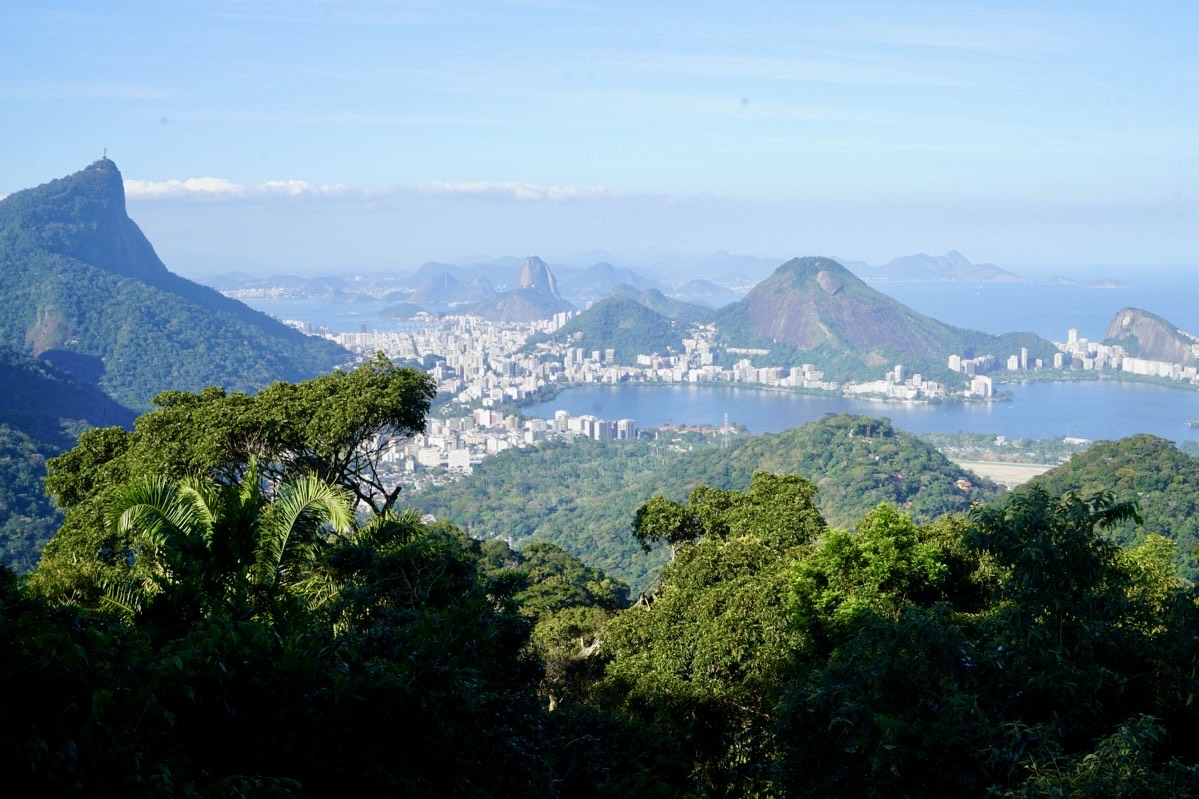
Sugarloaf mountain involves a fair bit of walking so gets blown out and instead we drive up another steep hill, Estrada Dona Castorina (uphill from the Botanical Gardens), to the Vista Chinesa (Chinese View), a 380 metre high scenic overlook. A Chinese style pagoda honours Chinese immigrants, or as Vicente advises us…slaves who worked on farms. It’s still a cloudless dazzling blue sky and we have jaw-dropping views of Rodrigo Freitas Lagoon, Corcovado and Sugarloaf.
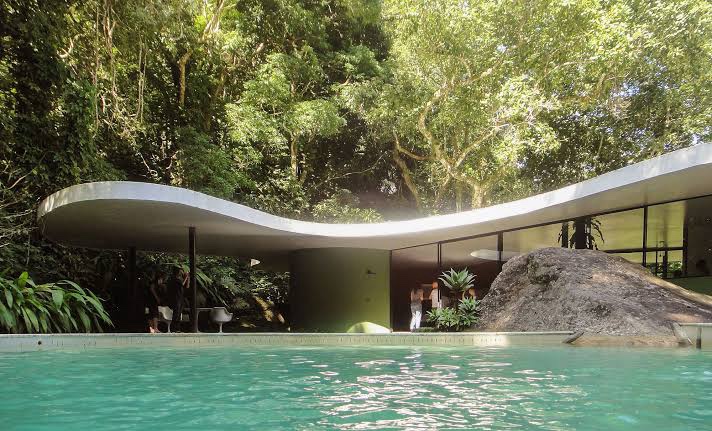
As a treat (knowing I’m a fan), Vicente asks Alan to stop by the Oscar Niemeyer house (built 1950-54), on Das Canoas Road; sadly temporarily closed but just about visible in its forest setting. It’s a restoration project which will hopefully reopen to the public, but right now nature is claiming it. Niemeyer and his family moved out when a landslide pushed a boulder in to the house. It was too isolated for the family living here alone during Niemeyer’s long absences working on projects, and it’s nowhere close to anything of convenience; but before it was abandoned it was a beauty (photo shown taken from WikiArquitectura).
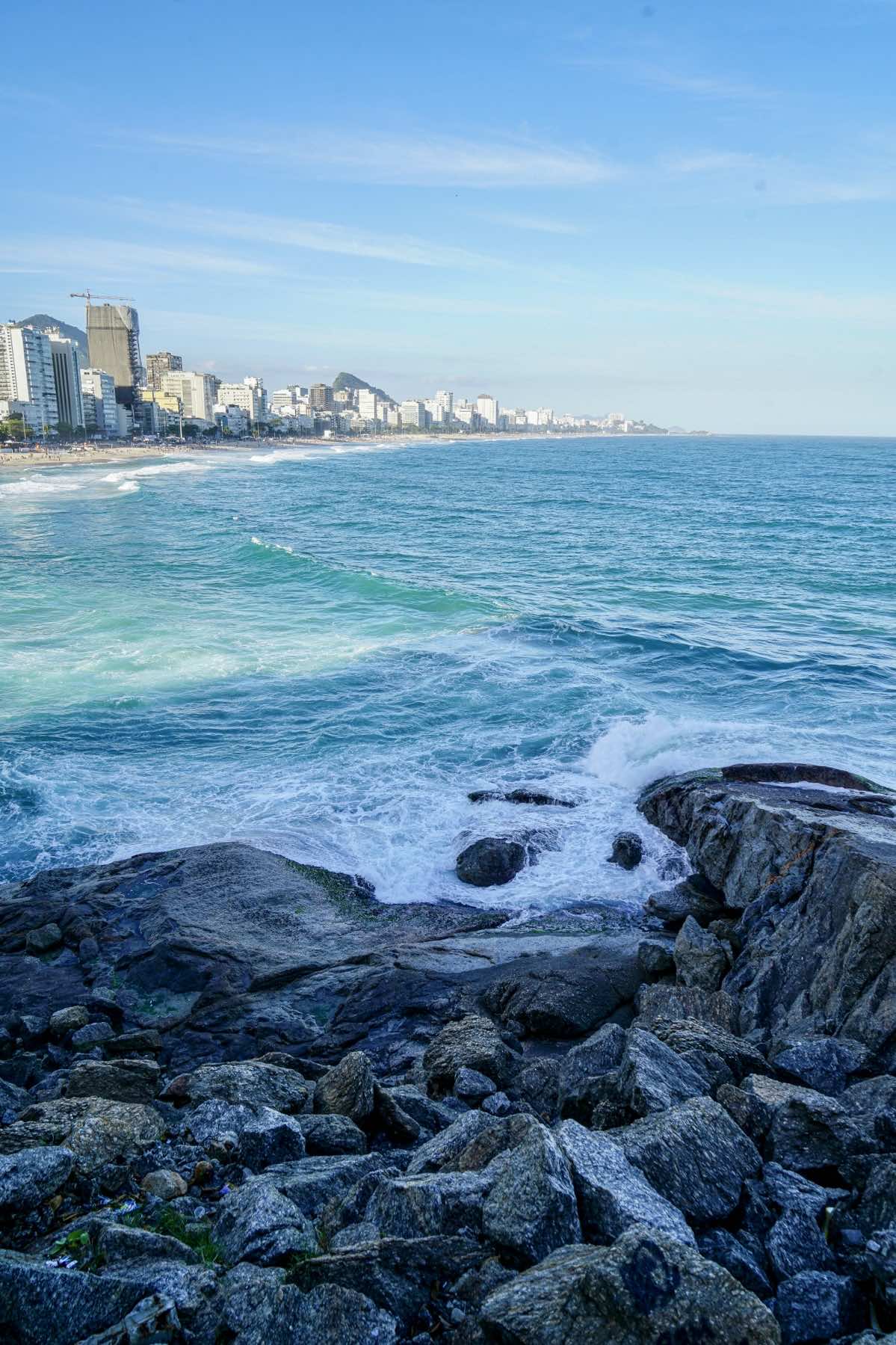
We end our day at Mirante do Leblon, a seafront observation deck along Avenida Niemeyer. The boardwalk accessed from the road is at the end of Leblon Beach giving views of the Leblon and Ipanema waterfront. Vicente and Alan drive us on to a main shopping street where I buy stuff for my foot. Dave has to assist me, hobbling in to the shop but there’s a Havianas shop opposite where we buy gifts for Kat. Back at the hotel I’m straight on to the bed with my right leg up and a bag of ice; more to explore in Brazil, I need to get this healed.
Rio de Janeiro
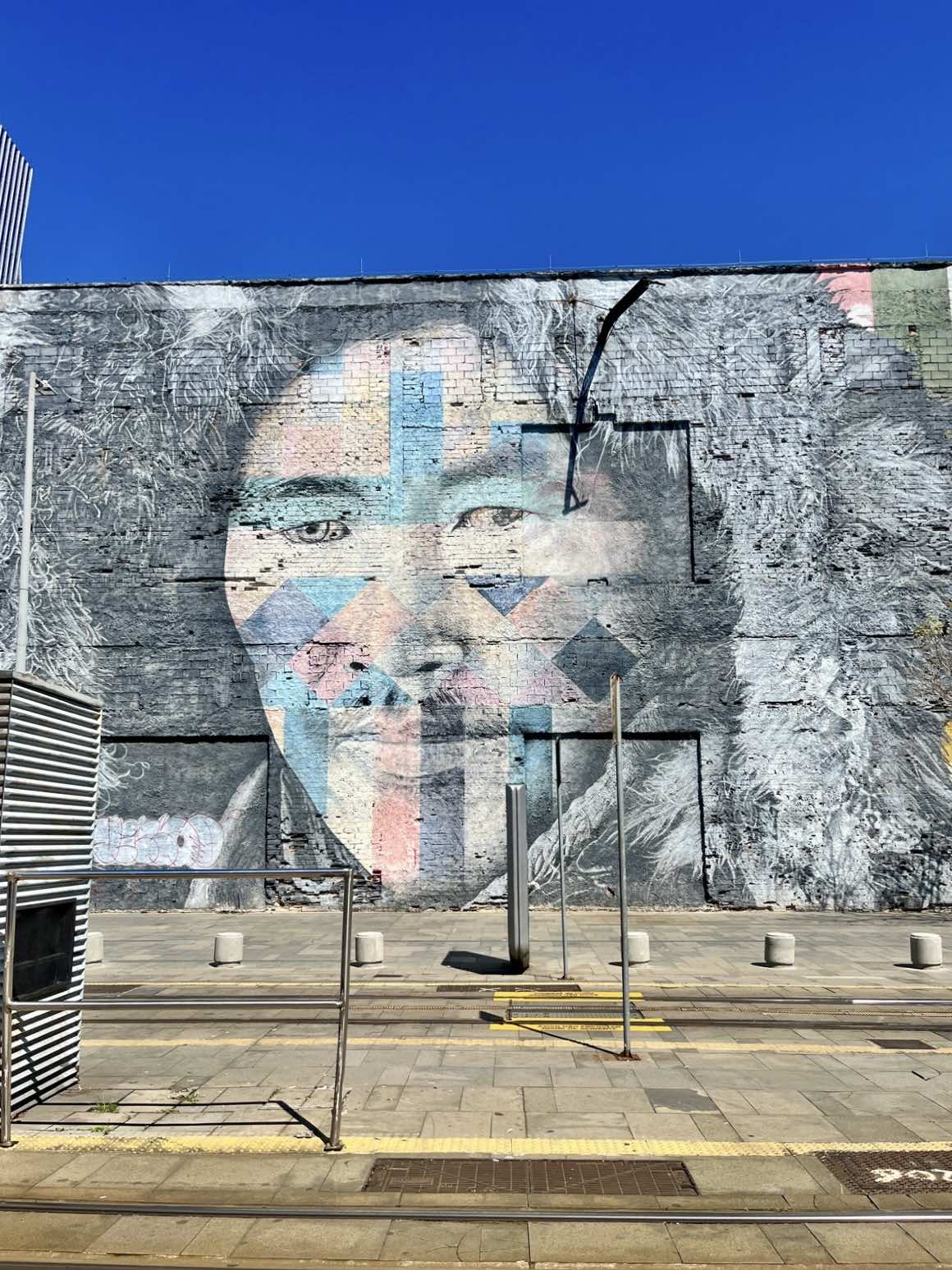
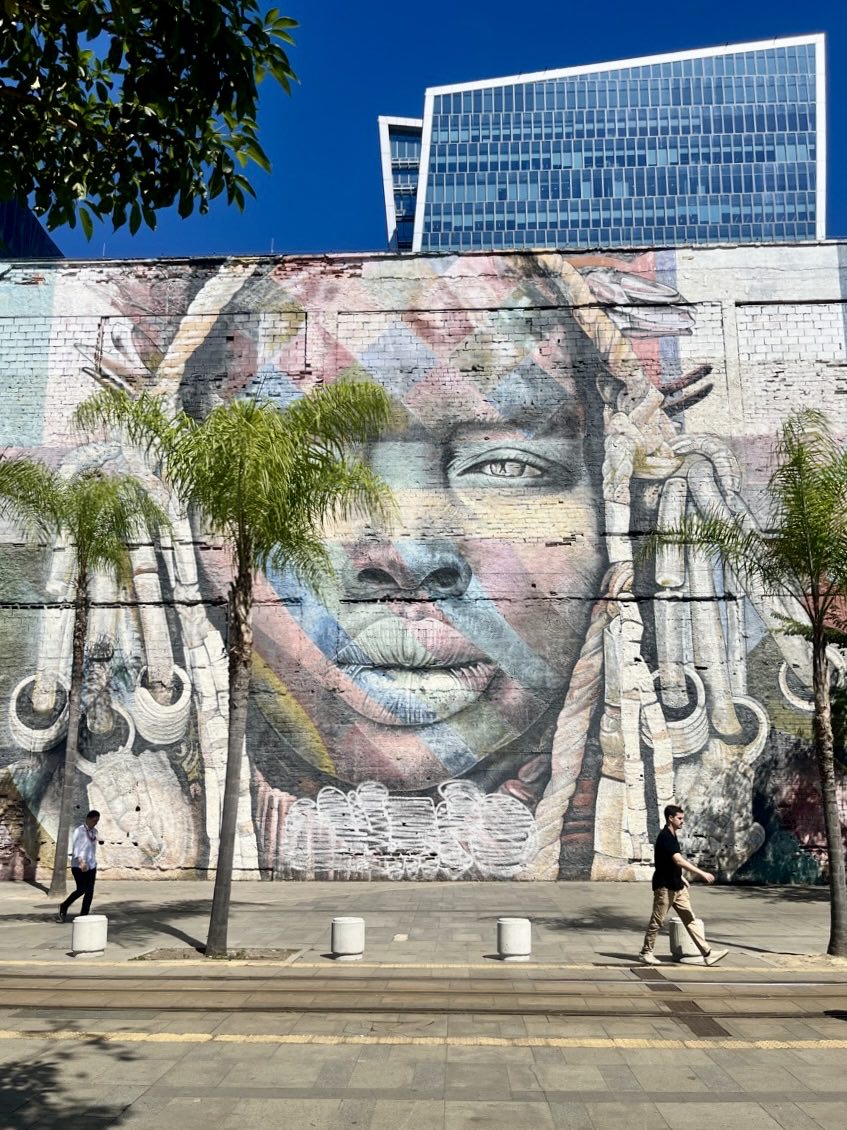
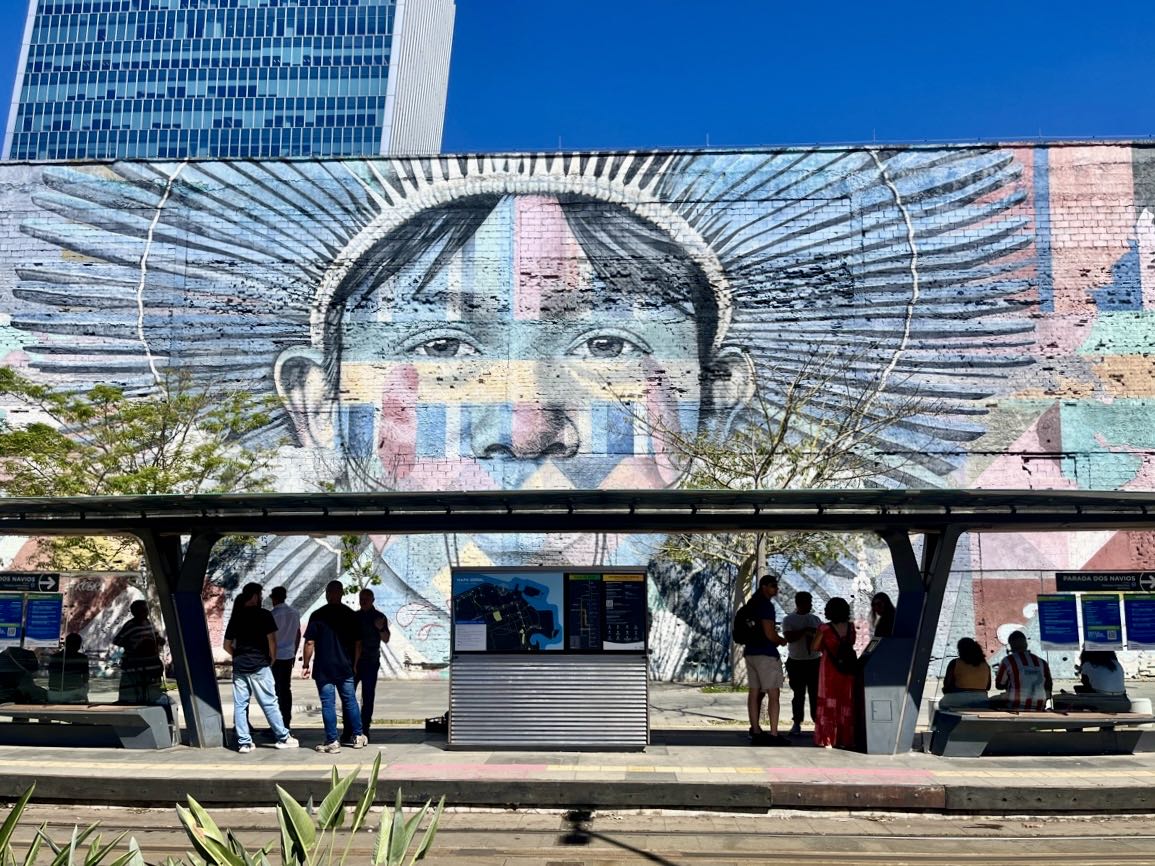
August 18. Limping about but hurrah the ice worked a treat, swelling going down and I can put weight on my foot. We get a taxi to the docks to see the Kobra ‘Etnias’ murals on Praça Mauá, painted for the 2016 Rio Olympic Games. A big project at 170 metres long by 15 metres high. The murals depict five faces representing five indigenous people from the five continents, symbolizing the five rings of the Olympic flag. Americas: a Tapajós boy from Brazil, Africa: a Mursi woman from Ethiopia, Asia: a Kayin (Karen) woman from Thailand, Europe: Supi man from Northern Europe and Oceania: a Huli man from Papua New Guinea. Ten years later they’ve faded in the sun but still spectacular.
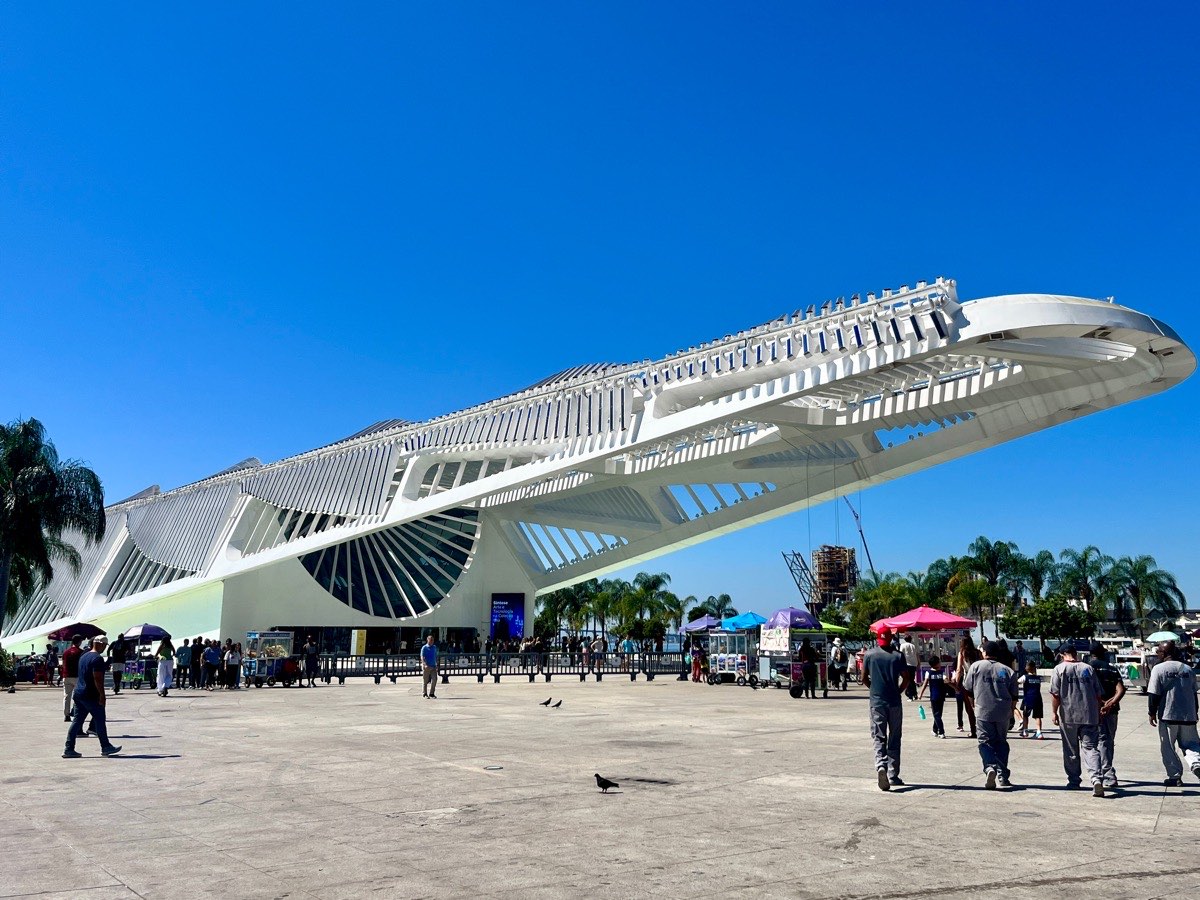
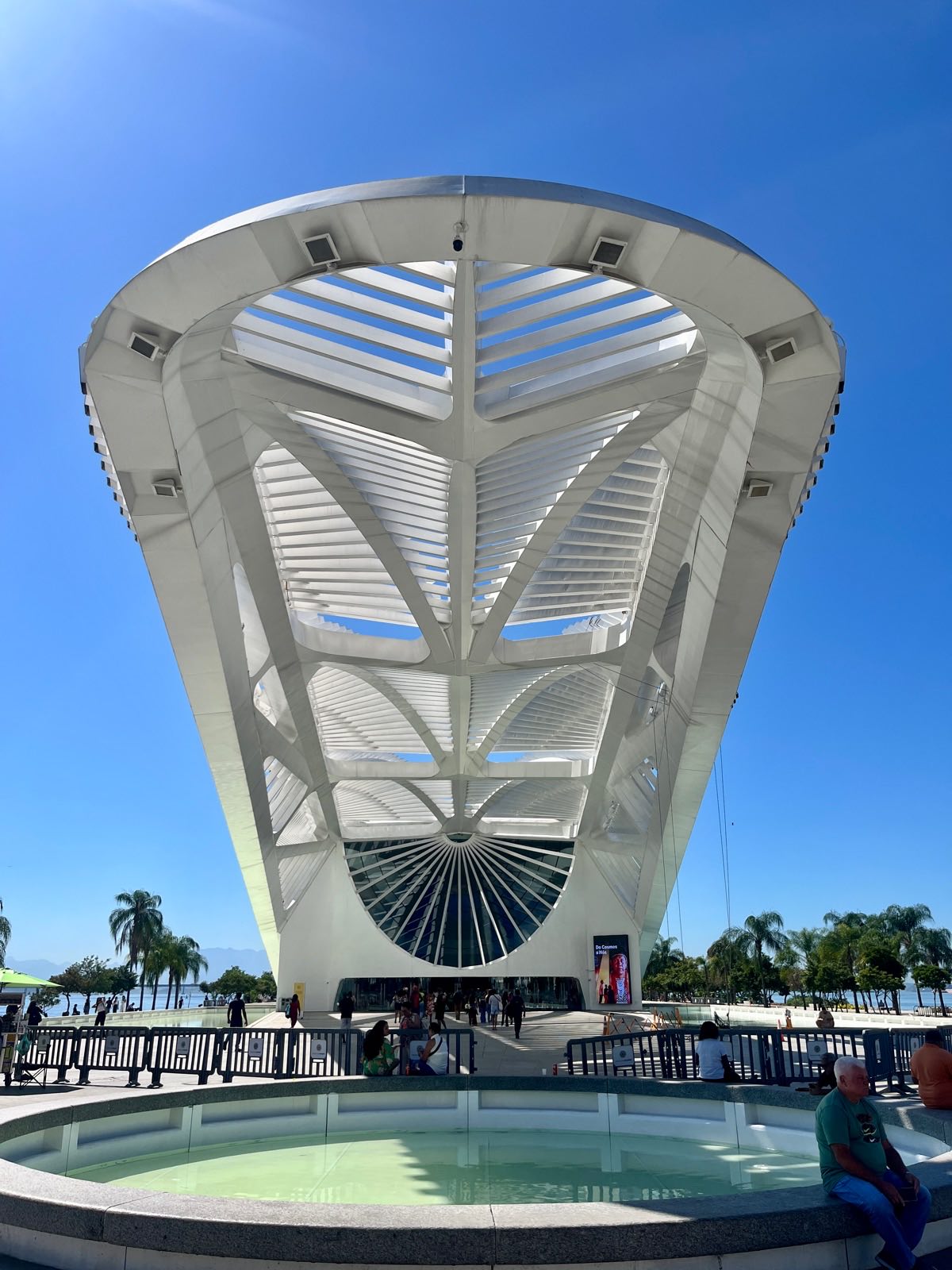
Nearby is the Calatrava designed Museum of Tomorrow. There’s no mistaking that this is a Calatrava building with its bleached white spine. He’s a controversial architect, his buildings often style over substance. I love the look of it and it casts fantastic shadows…but up close you notice the flaking paint and damp patches. Maintaining his pure white constructions must be a never-ending task. We walk to a post office, turns out to be the same one we attempted to buy stamps from yesterday (still don’t have any), but there’s a bar restaurant nearby on Rua Candelaria ‘Bar Do Boi’ with red plastic tables and chairs out on the street where we eat sandwiches and fries, pointing at pictures on the menu. Portuguese is similar to Spanish but we don’t understand enough of that yet either…we get by easily enough. A taxi to a main post office where we finally buy stamps..and they’re real, not digital printouts. Back at the hotel I ice my foot. Tomorrow we fly to Belo Horizonte, I’m worried how I’m going to manage pulling my suitcase.
Belo Horizonte
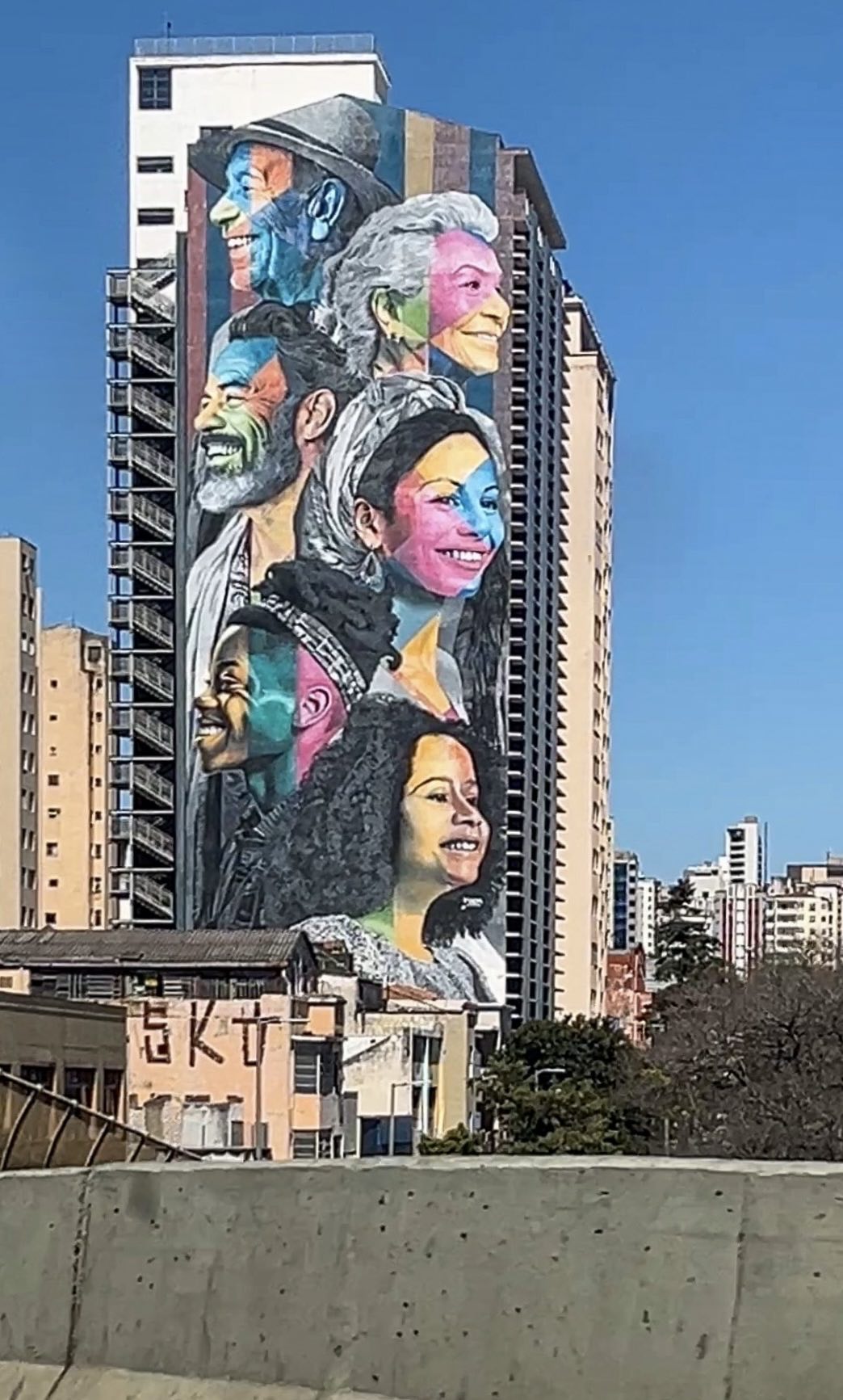
August 19. A 10am flight from the domestic airport flying Azul airlines to Belo Horizonte (meaning Beautiful Horizon). Hurrah my foot is improving and I manage fine. The plane is full, an hour flight…it looks like red desert as we fly over the approach. In a taxi to the hotel driving through a busy city, the cab driver is friendly but a little erratic, the main highway bumpy and riddled with potholes. On the approach downtown we drive by a huge Kobra mural painted on the Sesc Minas headquarters building. I get a photo through the car window on my phone, zoomed in and pixelated but still fantastic. I look it up online, it’s titled ‘Linha da Vida’ (Line of Life), dedicated to the working-class people of the city showing the natural aging of life from young to old.
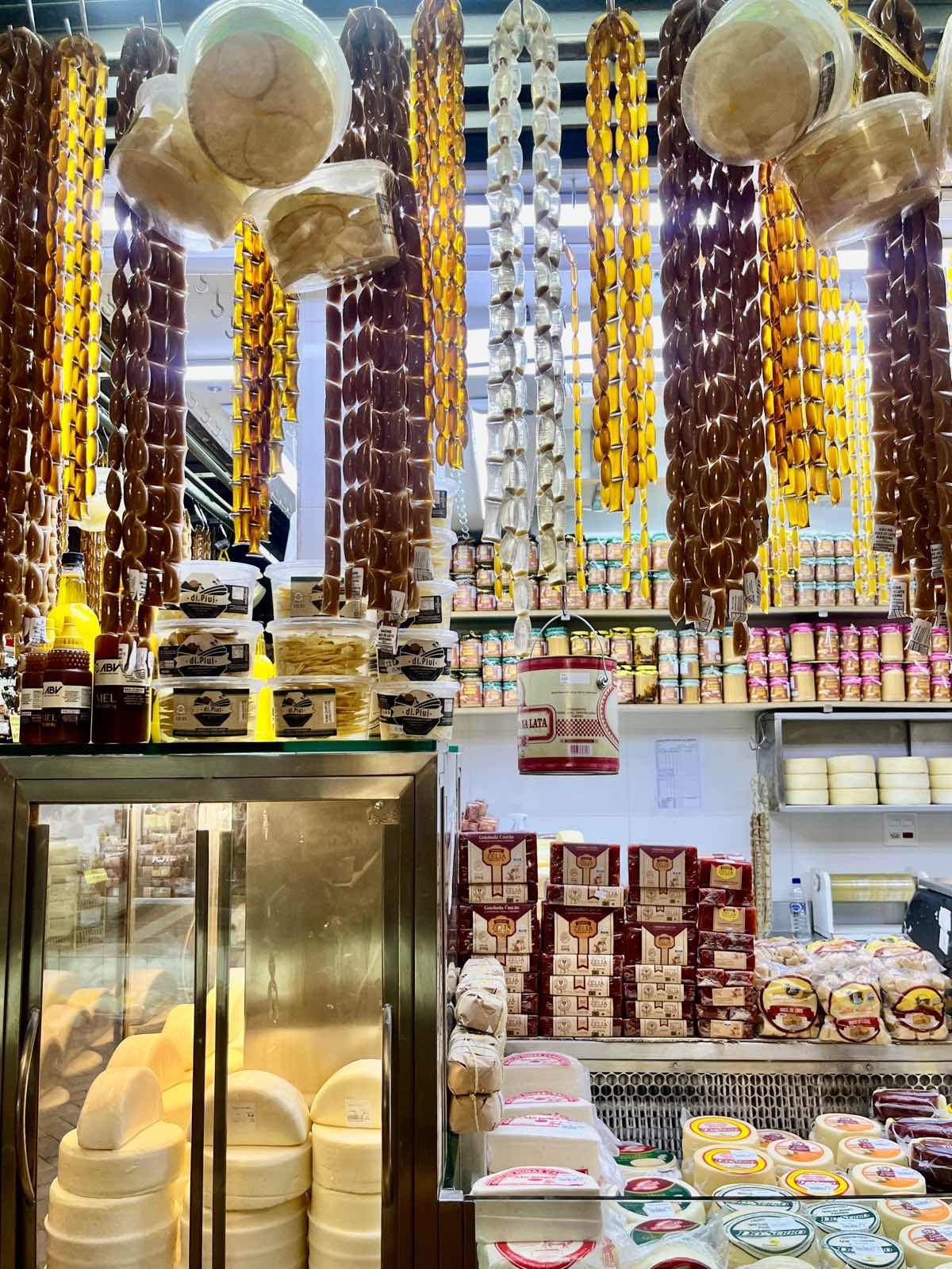
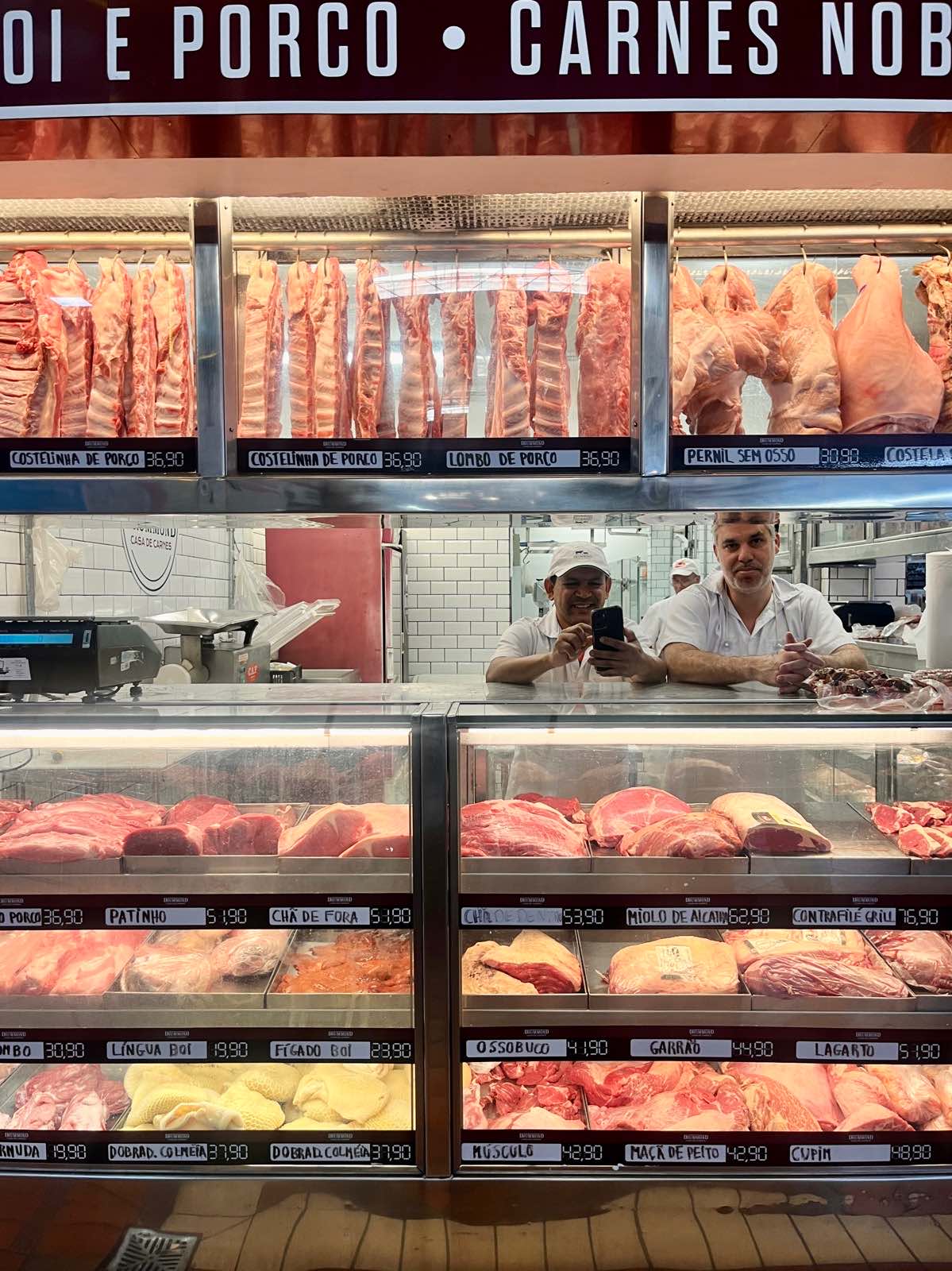
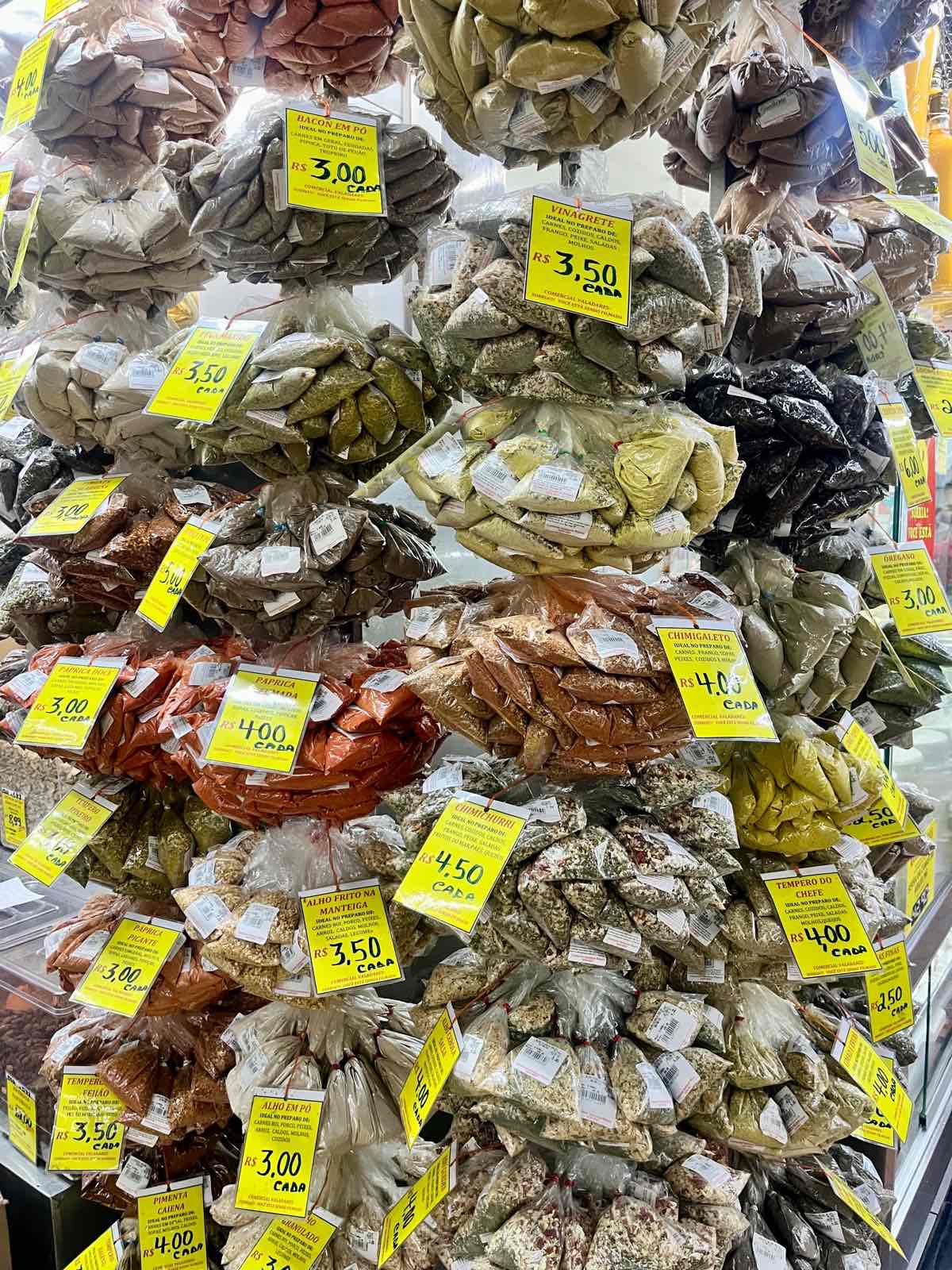
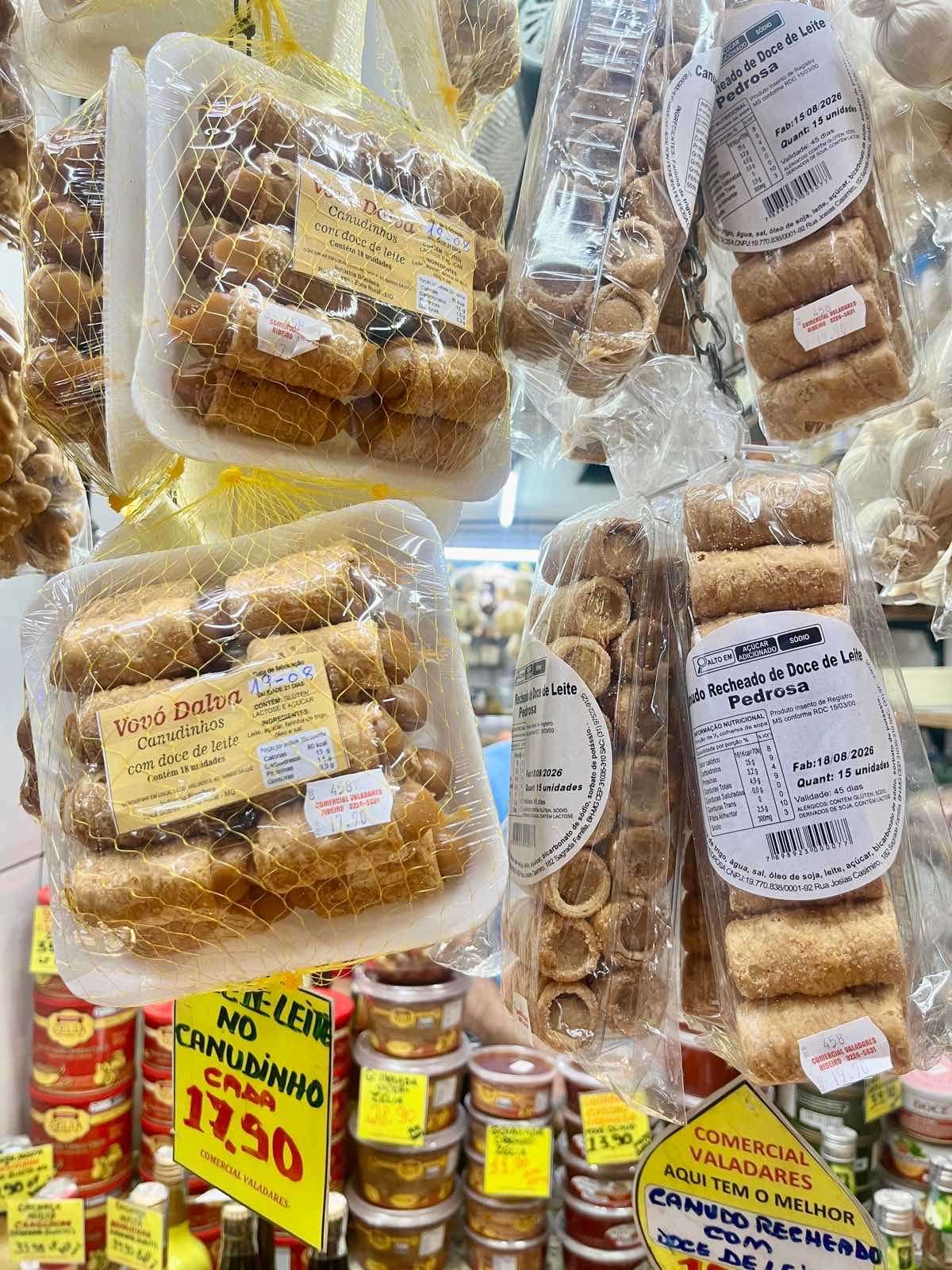
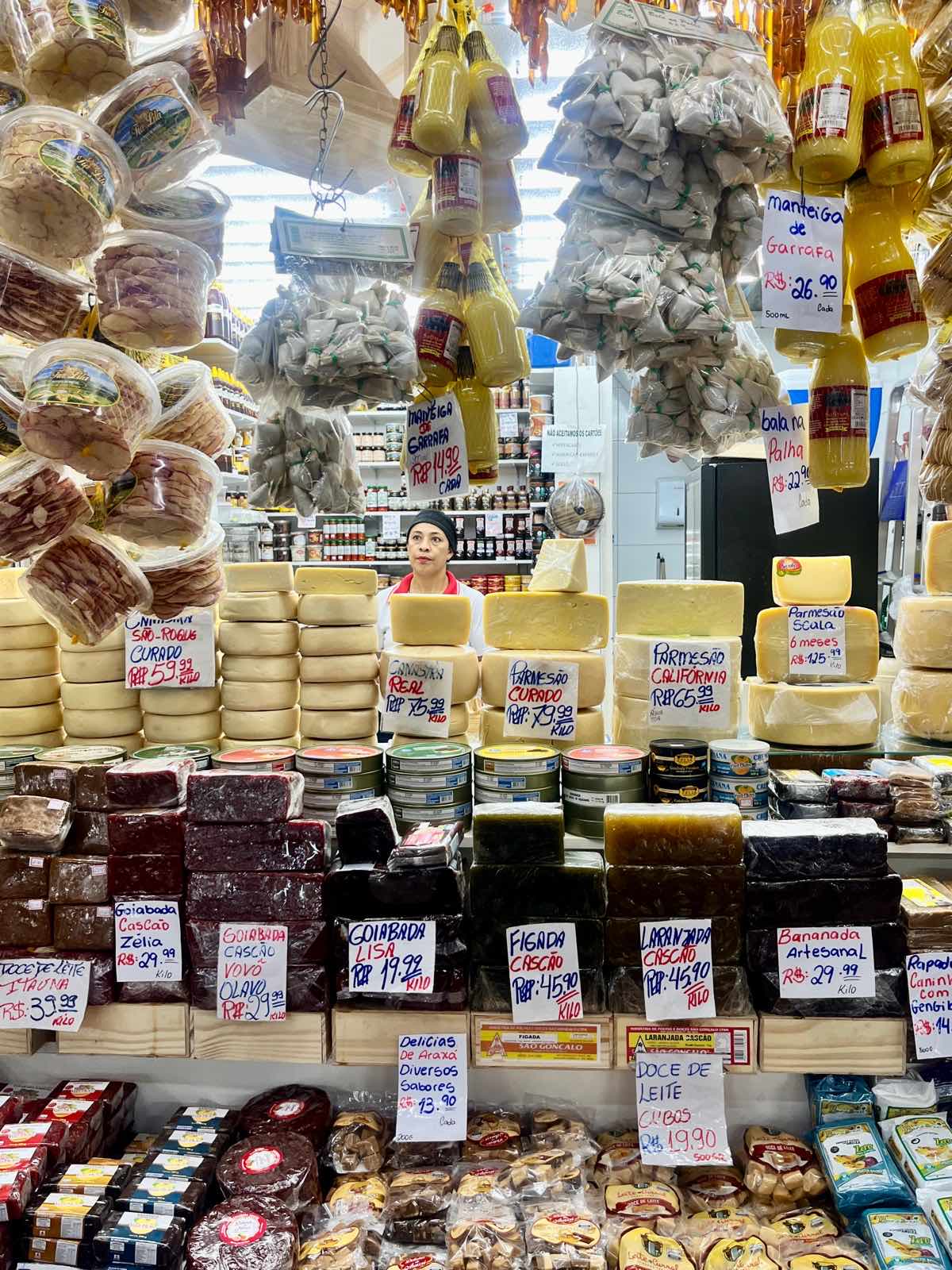
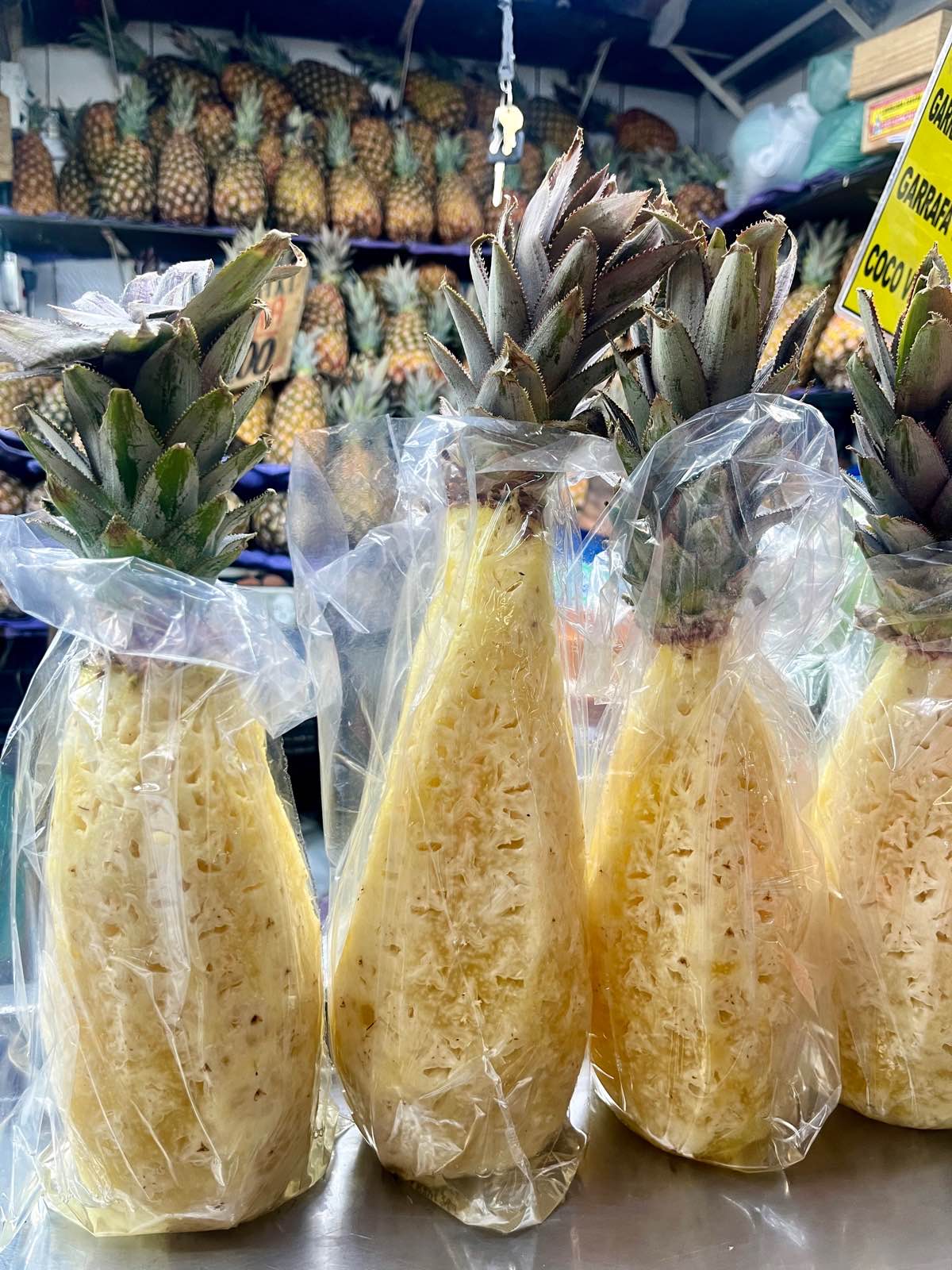
Out to explore, first to the Mercado Central where food vendors trade alongside household goods and handicrafts. Stall after stall of cheeses, bags of cooking spices and herbs; tear off mini plastic sachets of honey, doce de leite and oils hang like colourful intestines. Antony Bourdain ate liver, onions and eggplant here (fígado acebolado com jiló) in 2016 filming for his ‘Parts Unknown’ TV show. We buy hot frango (chicken) empanadas and eat them on barstools at the counter from a red plastic basket.
Walking up a steep cobbled hill with many missing cobbles (the ankle twisting trip hazards in Brazil!)…the cobblestones like Rio are creatively used. So much work put in to beautifying the streets in these large Brazilian cities, so many cobbles pushed up and buckling from the tree roots, you’ve got to admire the dedication, it must have come at great expense. We stop at a garage and talk to a man about a Volkswagen Gol with its bonnet raised. The Gol (not a Golf) was made in Brazil in the early 1990s, a lot of sharp angles and functional. There’s a pretty white VW Beetle parked nearby, ubiquitous across the country.
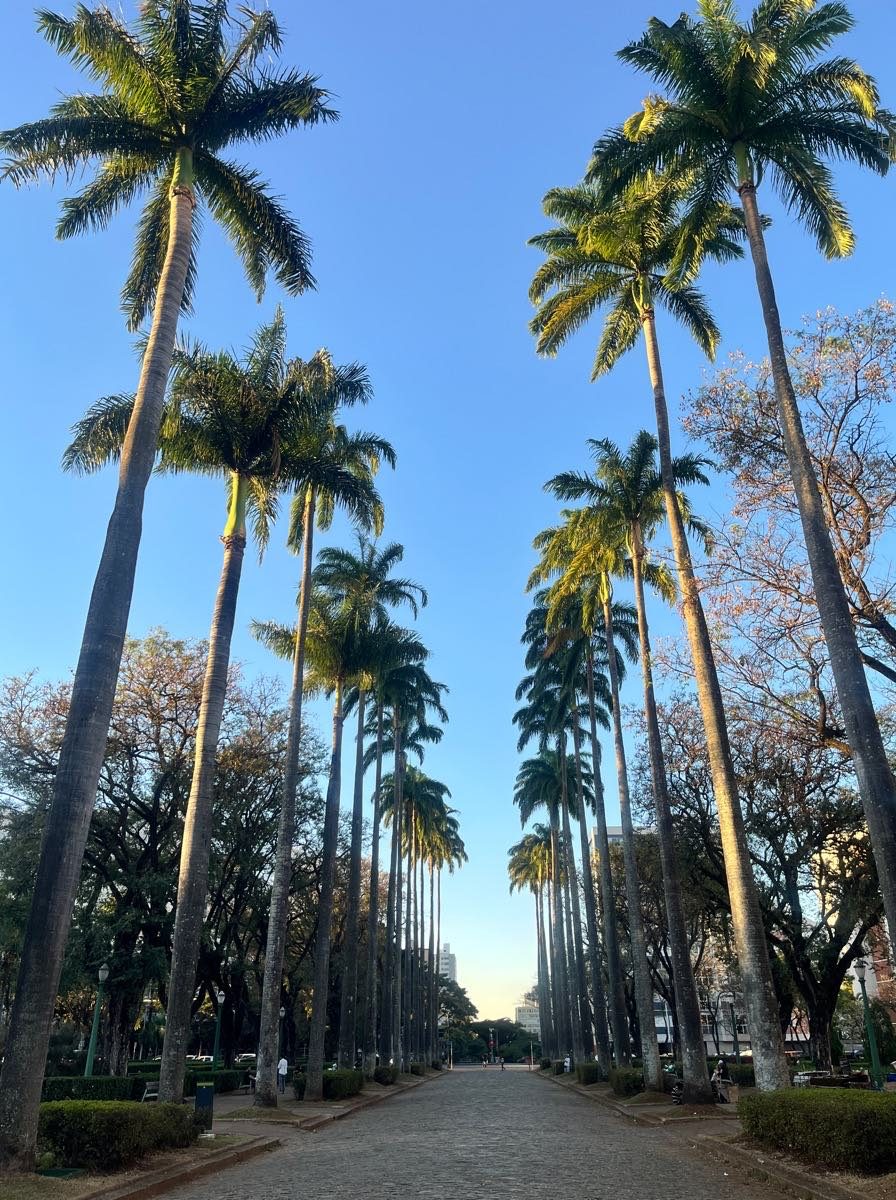
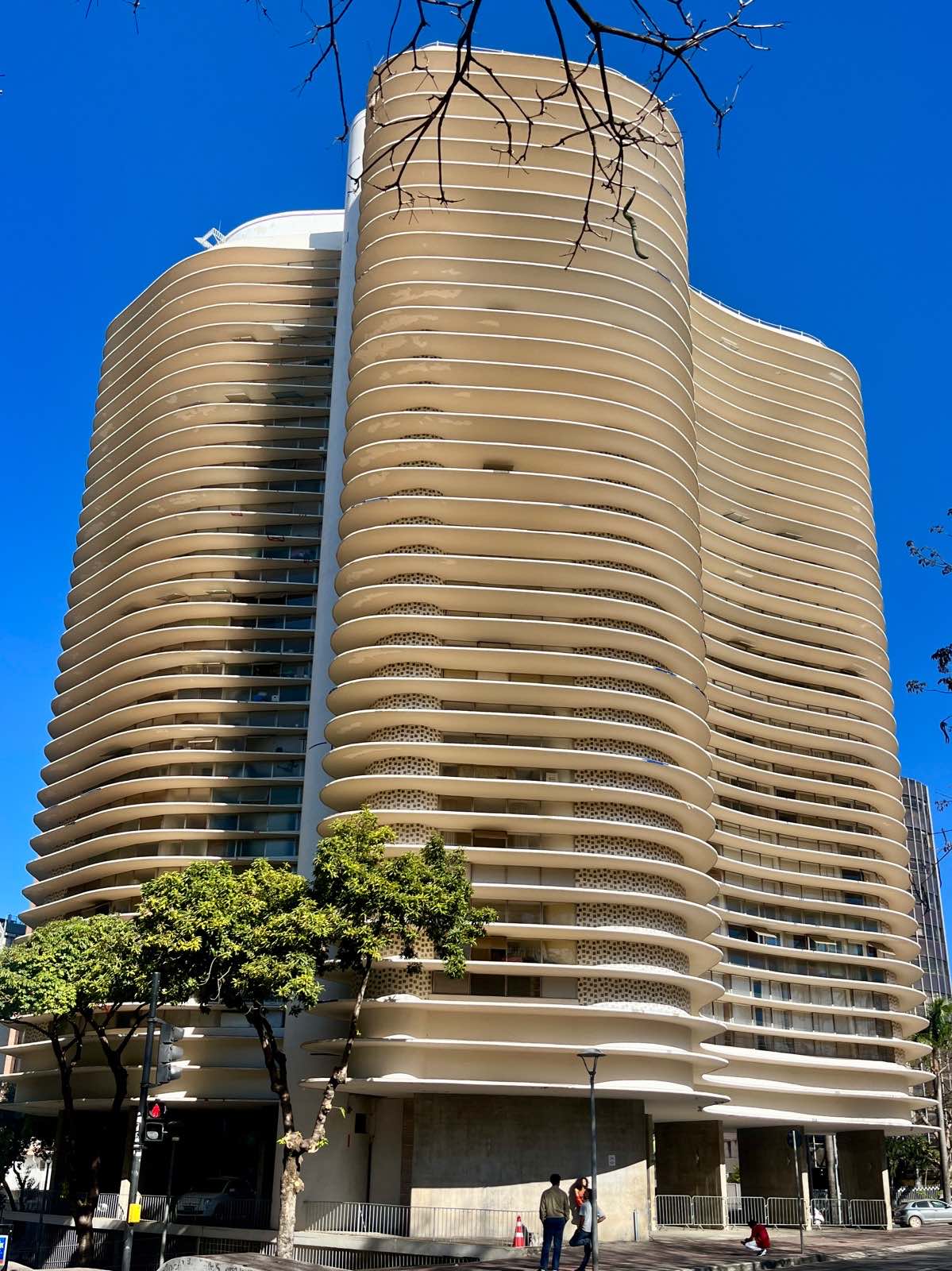
At the top of the hill it levels out in to the Praca da Liberdade, built in 1897 as the political center of Minas Gerais. It’s the cornerstone of neighbourhoods Savassi, Funcionários, and Lourdes. Palms line a boulevard and if it wasn’t for the dusty sun bleached grass and parched plants it would look glamorous. Like England temperatures are on the rise here and everything is starved of water. An Oscar Niemeyer building ‘Edifício Niemeyer’ overlooks the plaza; a residential landmark built between 1954 and 1960. Its facade features levels of wave-like curves known as ‘curvilinear’ and horizontal concrete sunshades. It doesn’t quite have the wow factor of his other buildings (like the museum I missed out seeing in Rio/damn foot) but it stands out as an impressive cornerstone to the block.
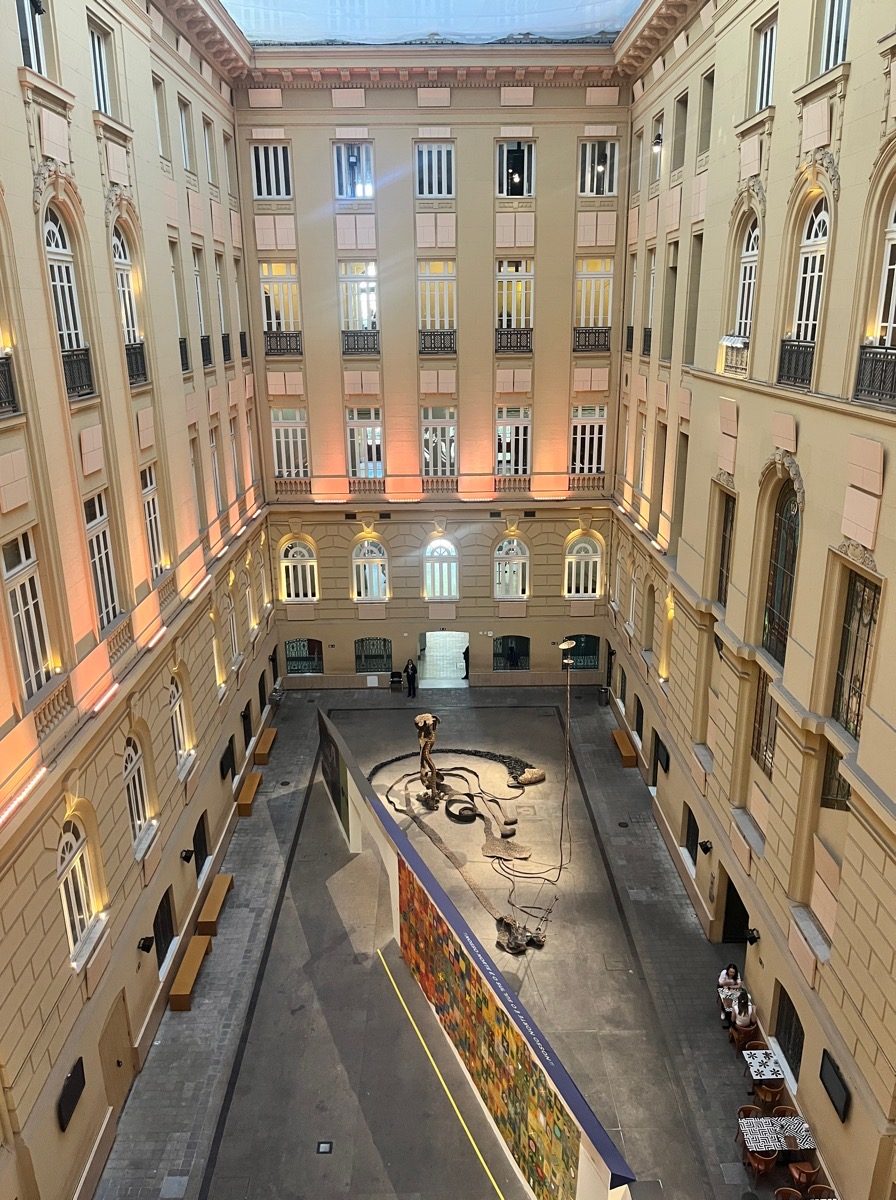
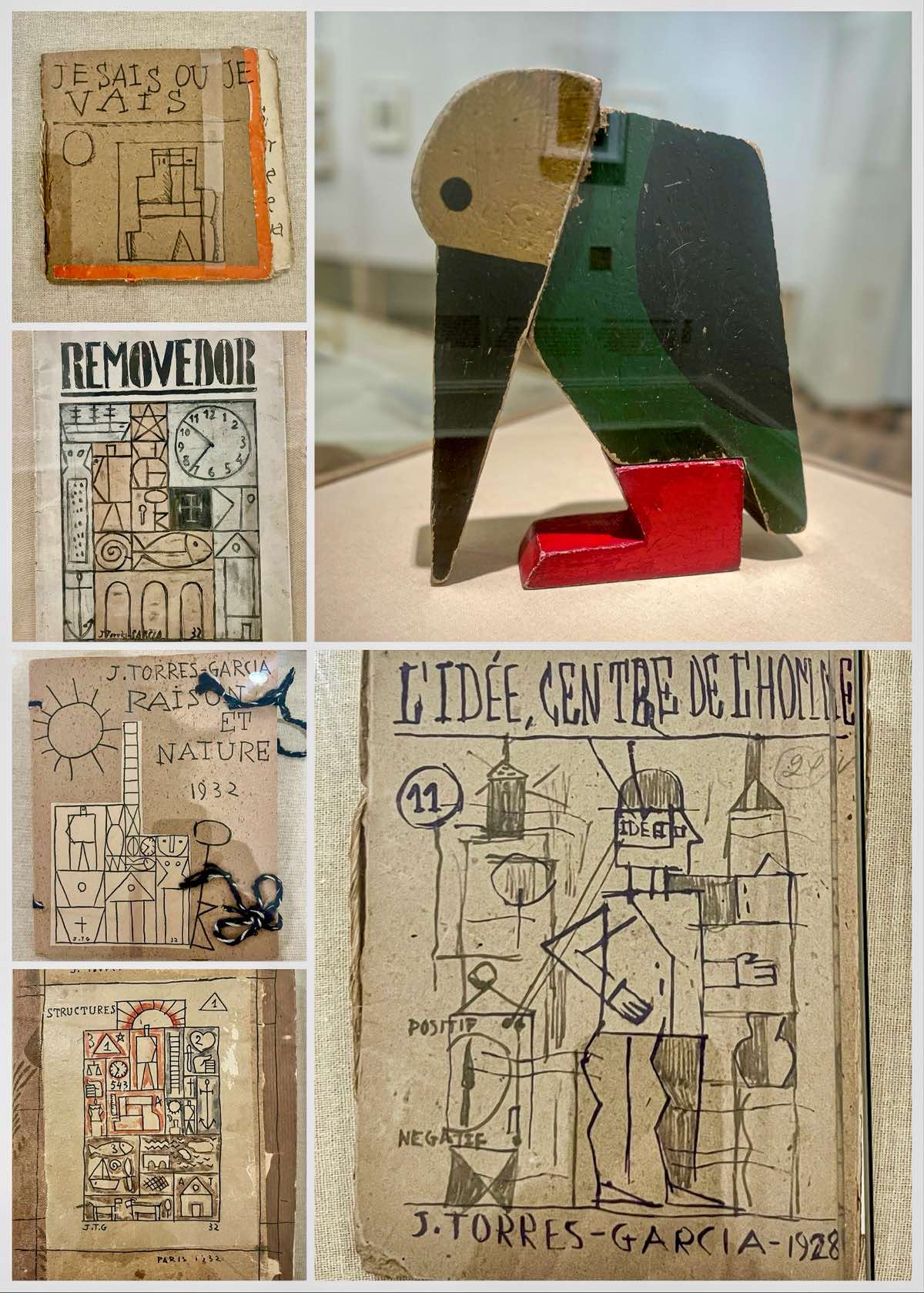
Inside the grand looking Centro Cultural Banco do Brasil we see two exhibitions. Marcelo Xavier is an artist, writer and children’s book illustrator using clay model sculptures to create a photographic narrative filled with whimsical characters. Joaquin Torres Garcia (‘150 years’) is described as “one of the pillars of modern art in Latin America.” The exhibition features drawings, paintings, naive wooden sculptures and my favourites…hand-made manuscripts in booklet form. We eat in the museum restaurant overlooking the central atrium. I have a mountain of Caesar salad; the waitress sets my place setting using a manipulation of knife and fork to hold a napkin before placing it on the table with the cutlery on top. I try to copy the manoeuvre and after several attempts give up. She sees my attempts and we laugh.
Inhotim
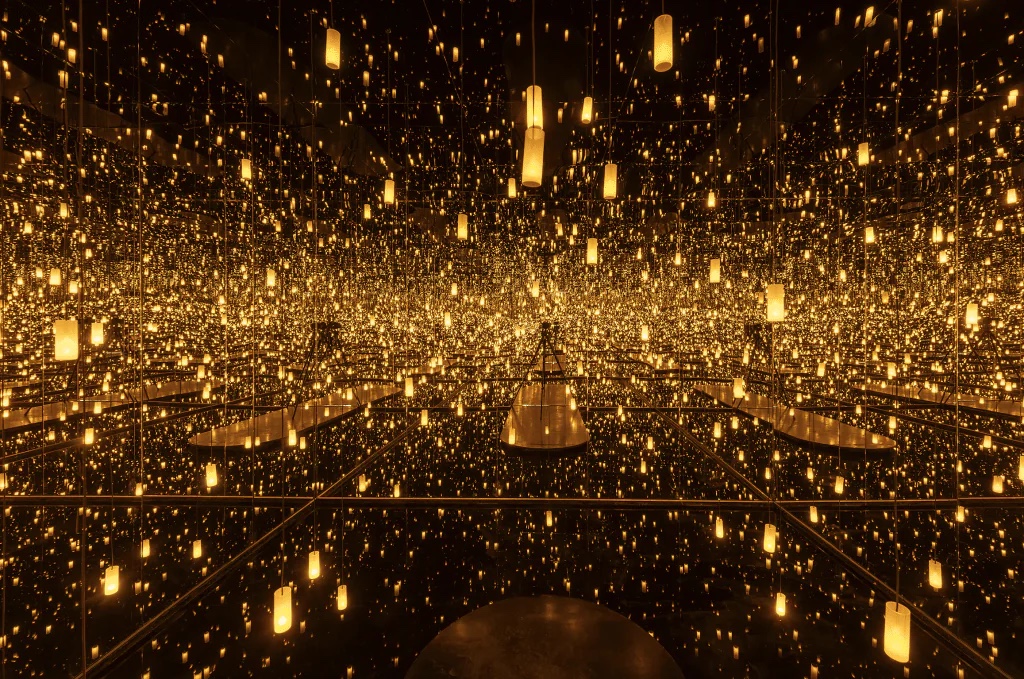
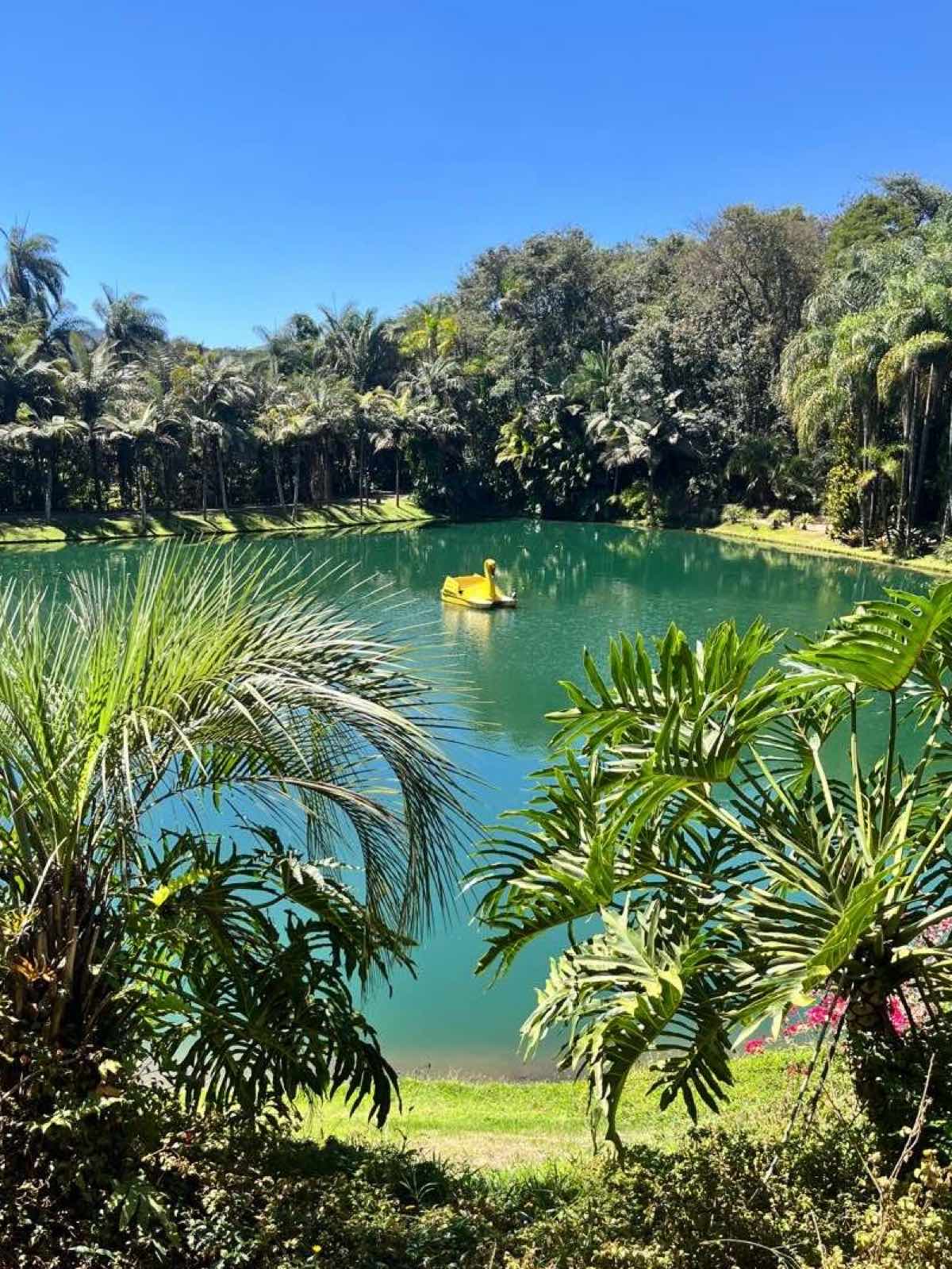
August 20. We hire an Uber to drive us 90 minutes out of the city, leaving at 8am to reach the Inhotim art park in Brumadinho for its opening at 9.30. It’s a massive site covering 140 hectares combining sculptures and art pavilions with botanical gardens; the world’s largest open air contemporary art museum. The gardens are planted with over 5,000 different species whilst the art features over 200 different artists. We’ve paid a little extra to use the hop on/off golf cart shuttles operating throughout the park, the distances too large to walk in a single day. We start on the orange route visiting indoor pavilions which are playfully interactive. We’re allowed 2 minutes inside the Yayoi Kusama room full of dayglo spots, and 1 minute in one of her infamous infinity rooms filled with glowing amber lights and mirrored walls. I’ve been in much larger versions years ago at Tate Modern London before her fame exploded on Instagram and TikTok, but this tiny infinity room is still fun. (Images taken from Inhotim website).
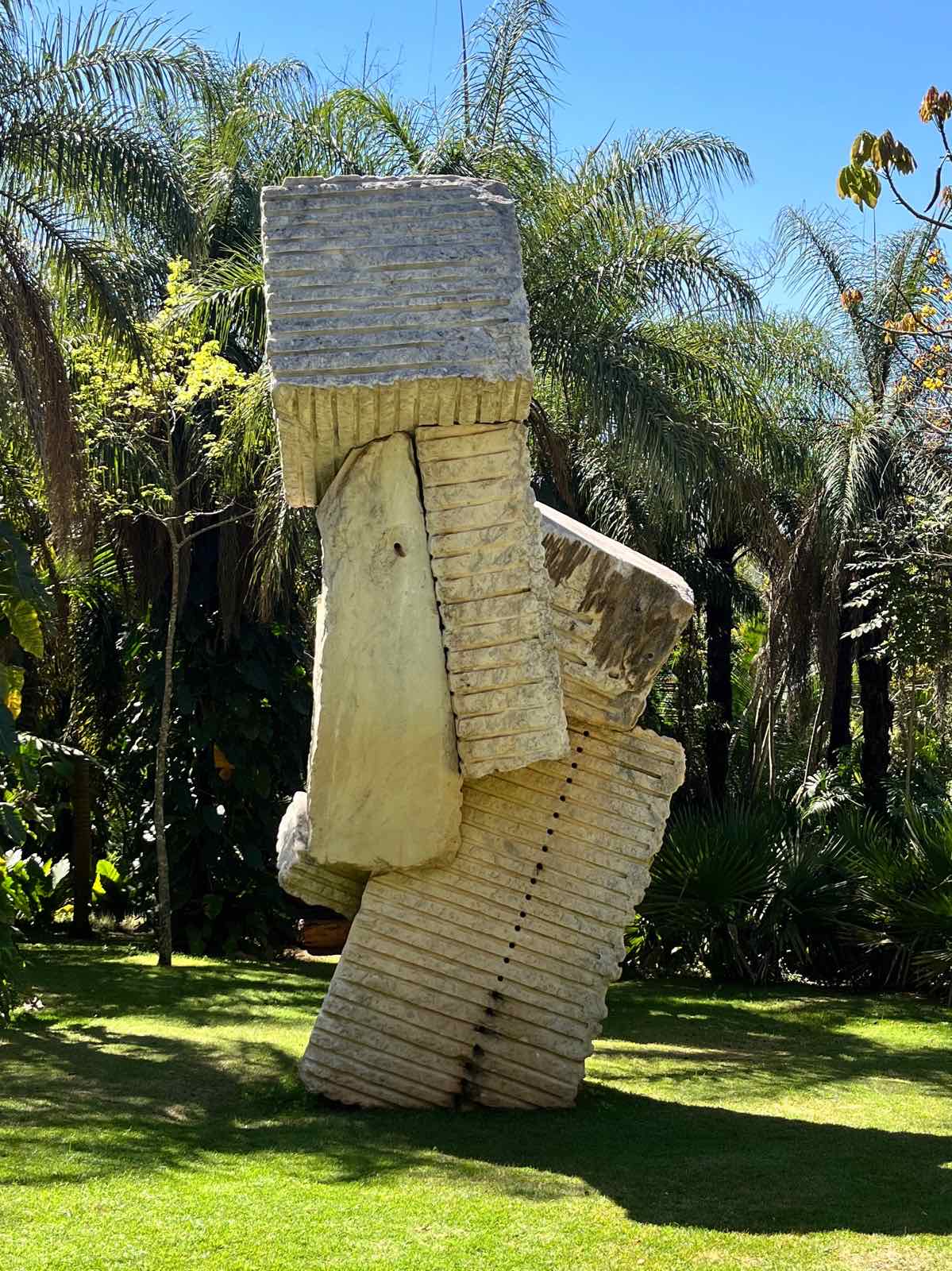
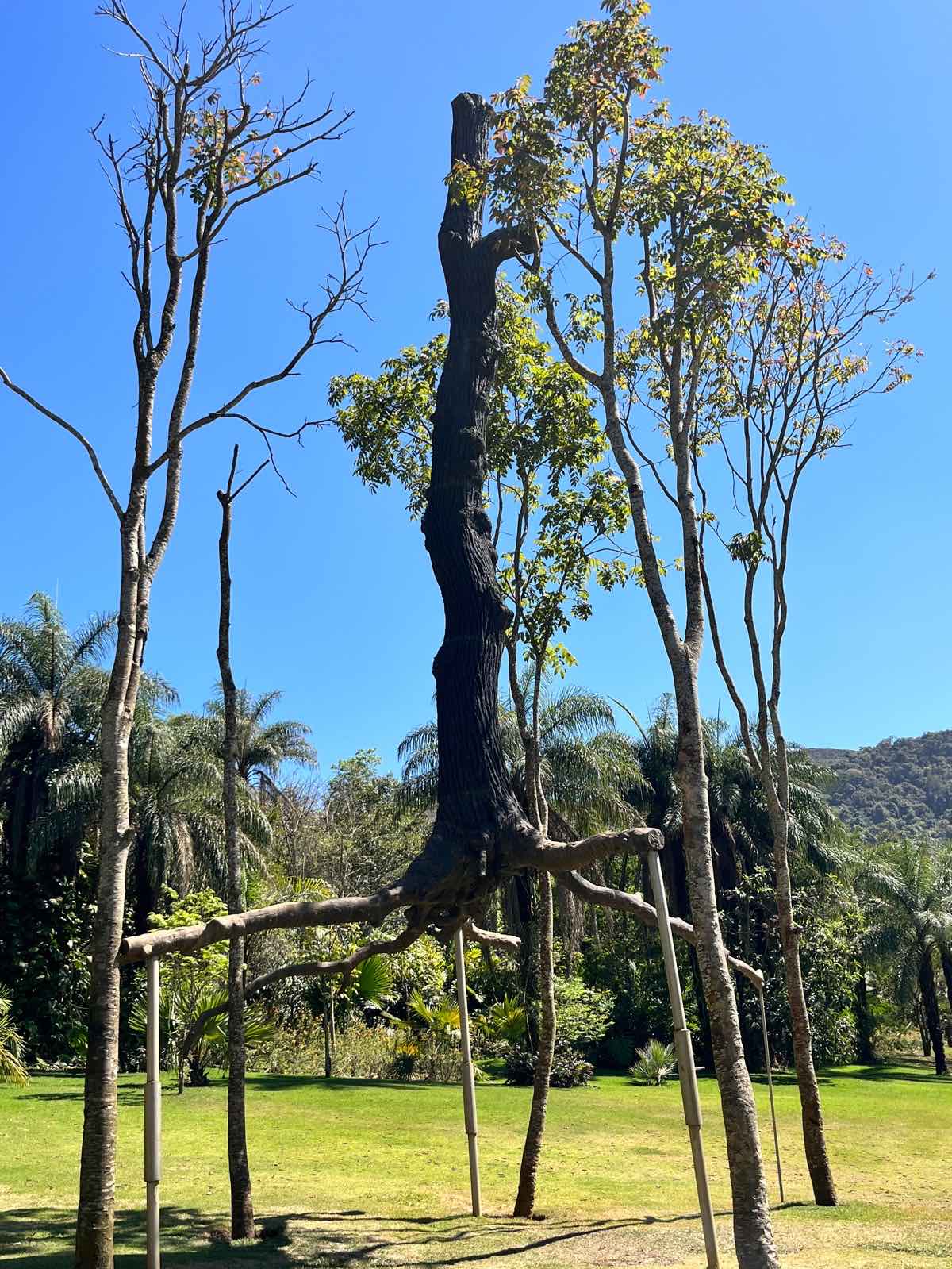
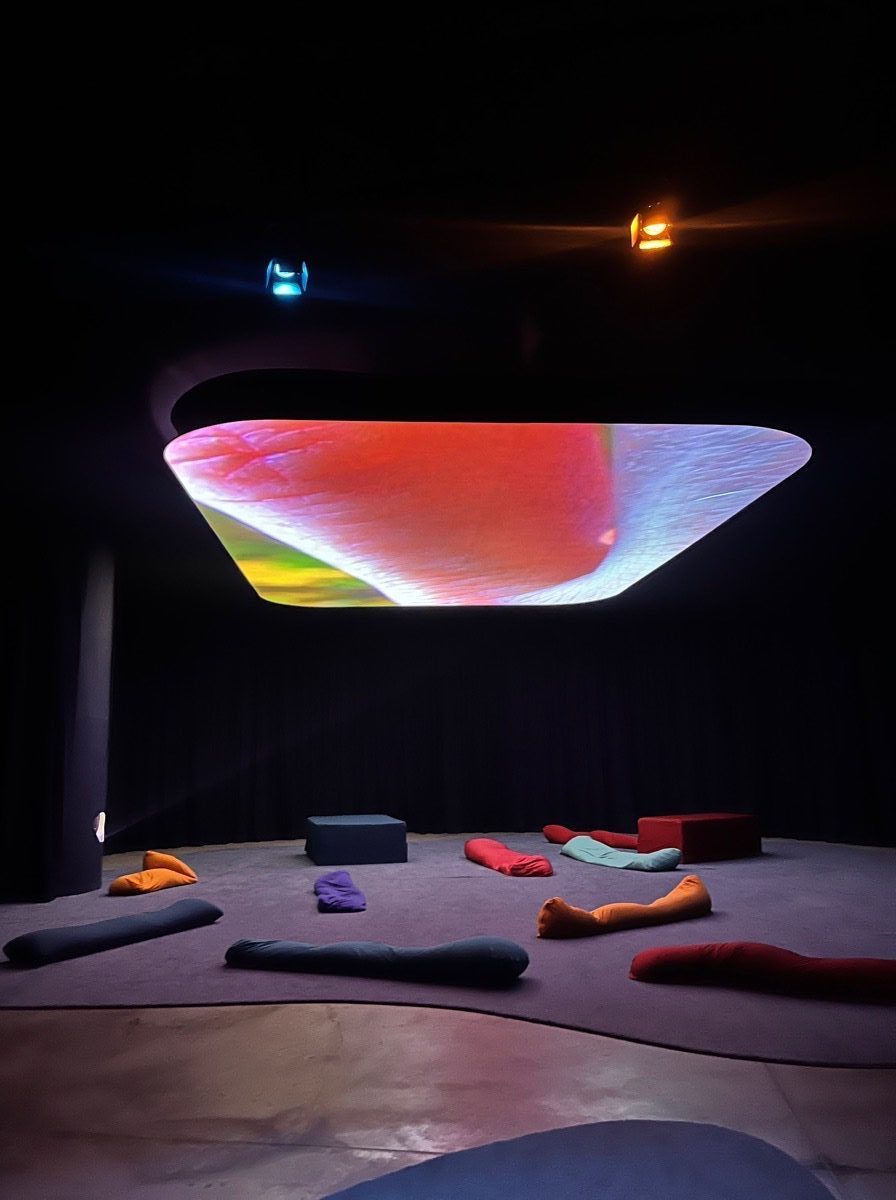
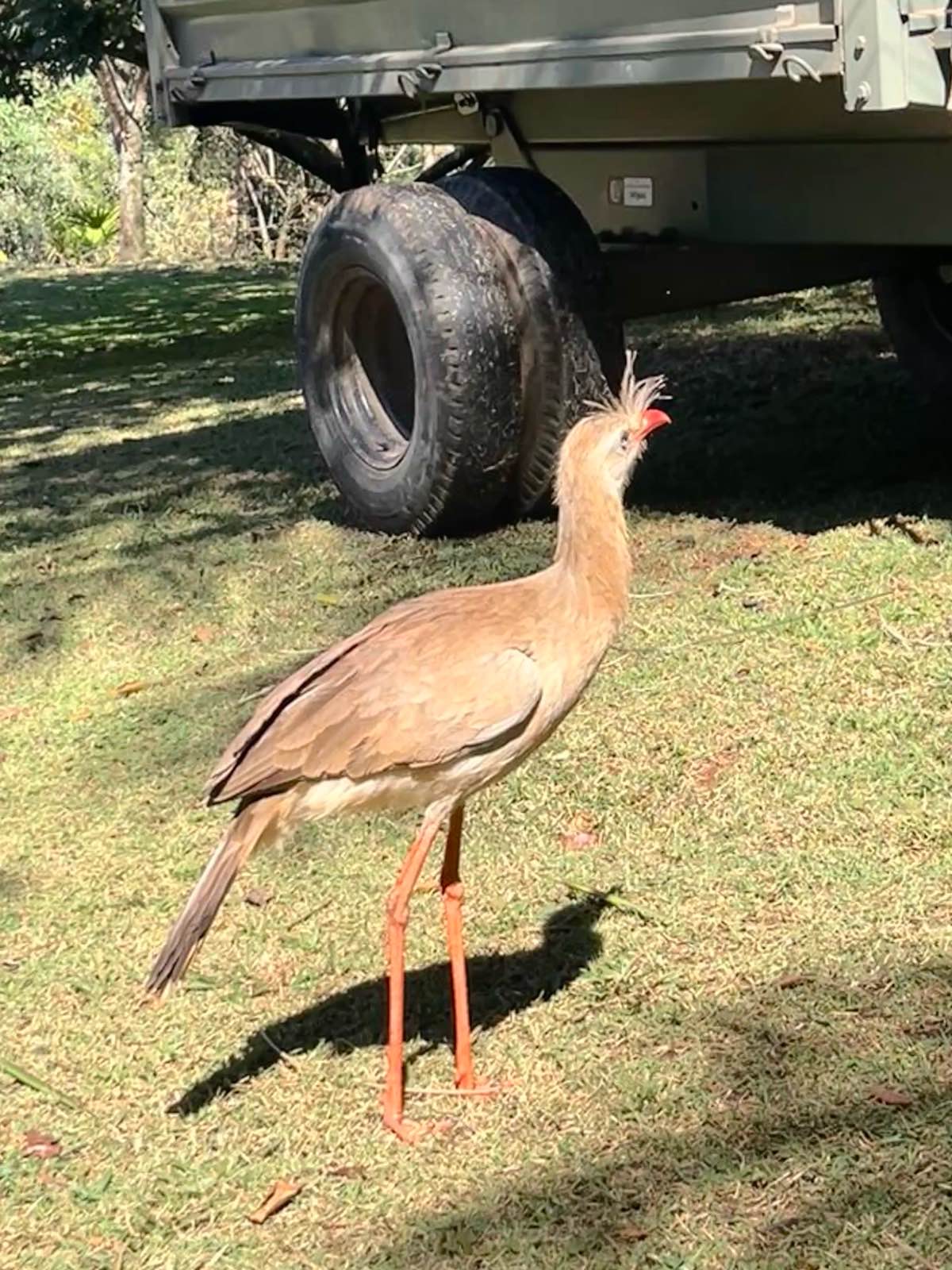
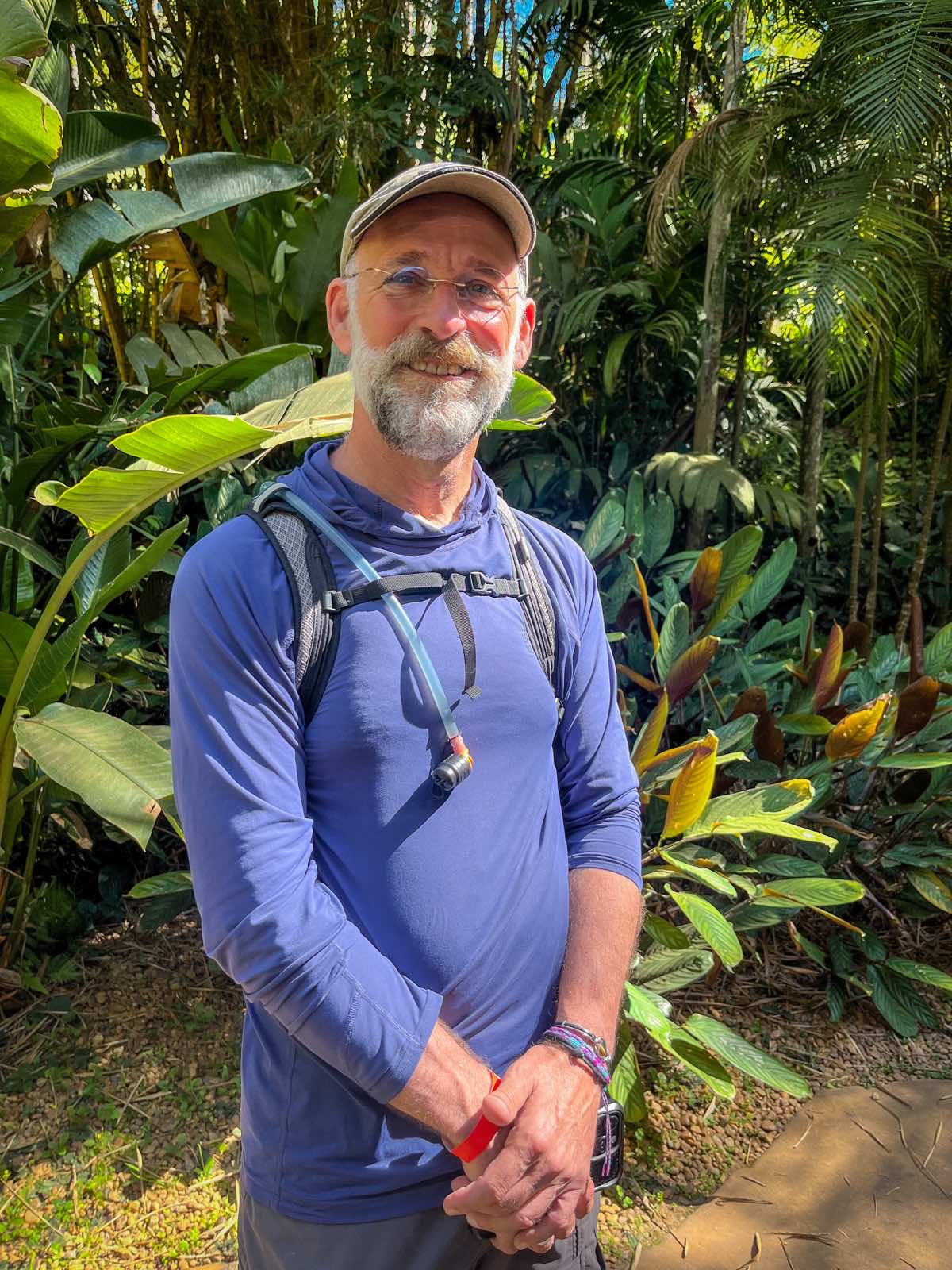
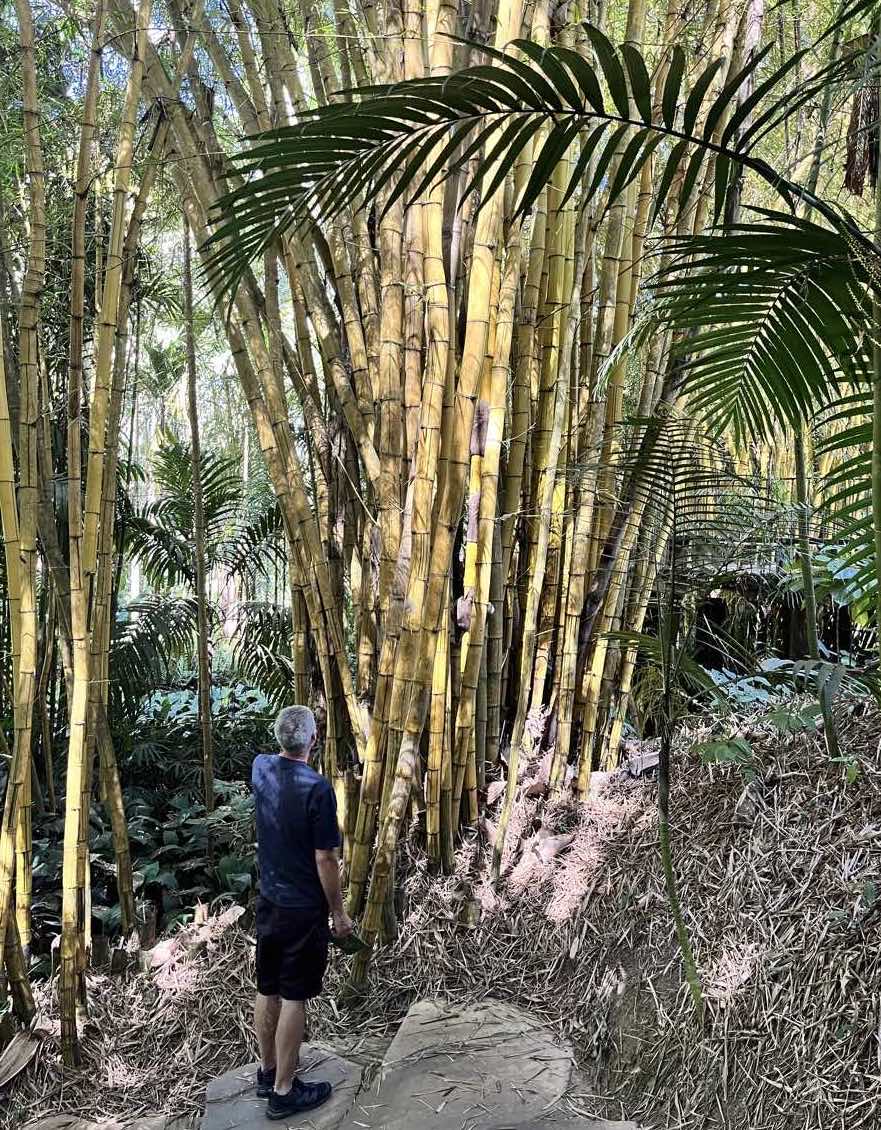
A suspended tree and a disjointed rock sculpture are intriguing…I don’t get all the artist names as the information plaques aren’t always in obvious places. I enjoy lying on the floor on beanbags in the pavilion showing kaleidoscopic naked projections of Pipilotti Rist across a huge screen on the ceiling. Olafur Eliason is a favourite artist and we love his giant ‘Viewing Machine’ fracturing the view in to a kaleidoscope, palm trees multiplied infinitely. Red-legged Seriema birds stalk the grounds looking for food, used to humans they’re unperturbed by our presence. There’s lakes and desert gardens, a wide variety of palms and flowers. At one of the various cafes we eat a tuna sandwich with a delicious combination of mozzarella sweet sauce and tiny tomatoes. We meet Douglas, an American who’s been travelling the world for 3 years, making his way by motorbike from Alaska. There’s impressive people out there with fantastic curiosity for life.
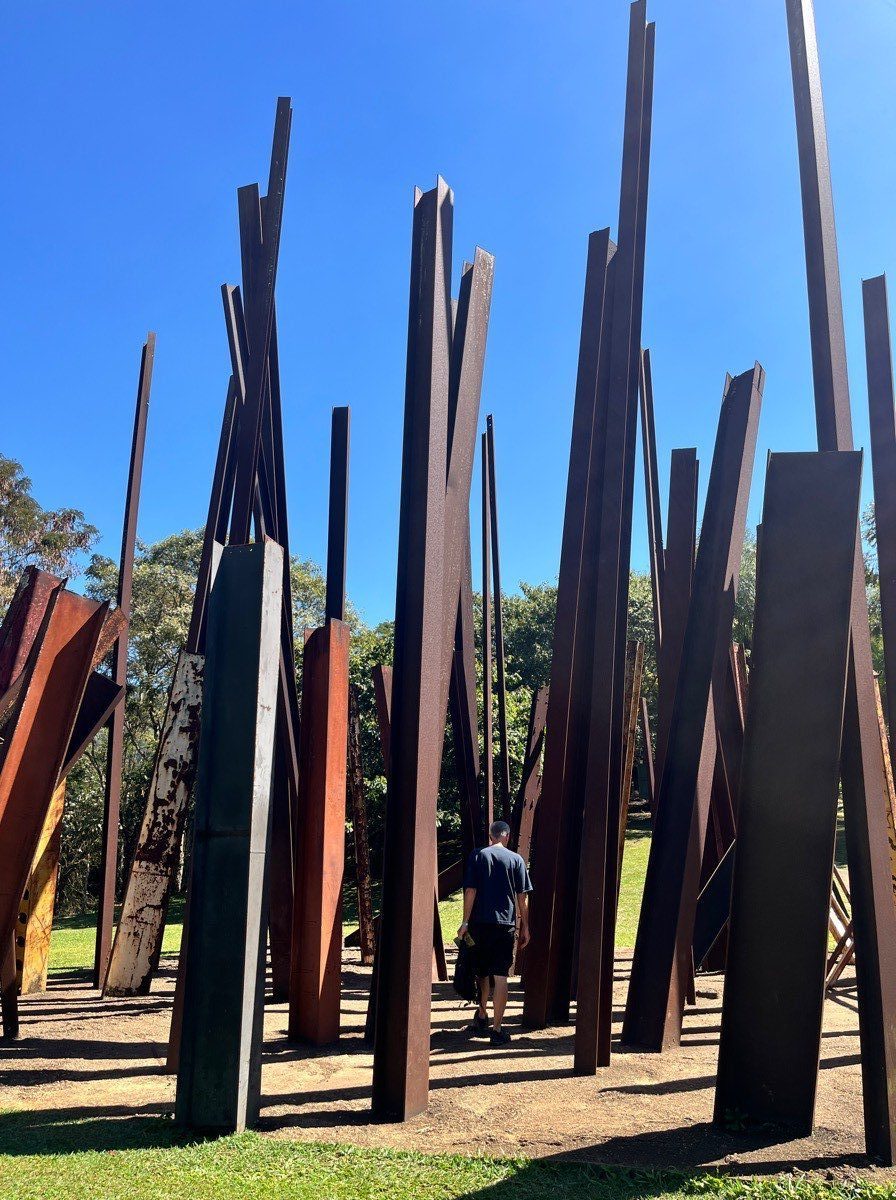
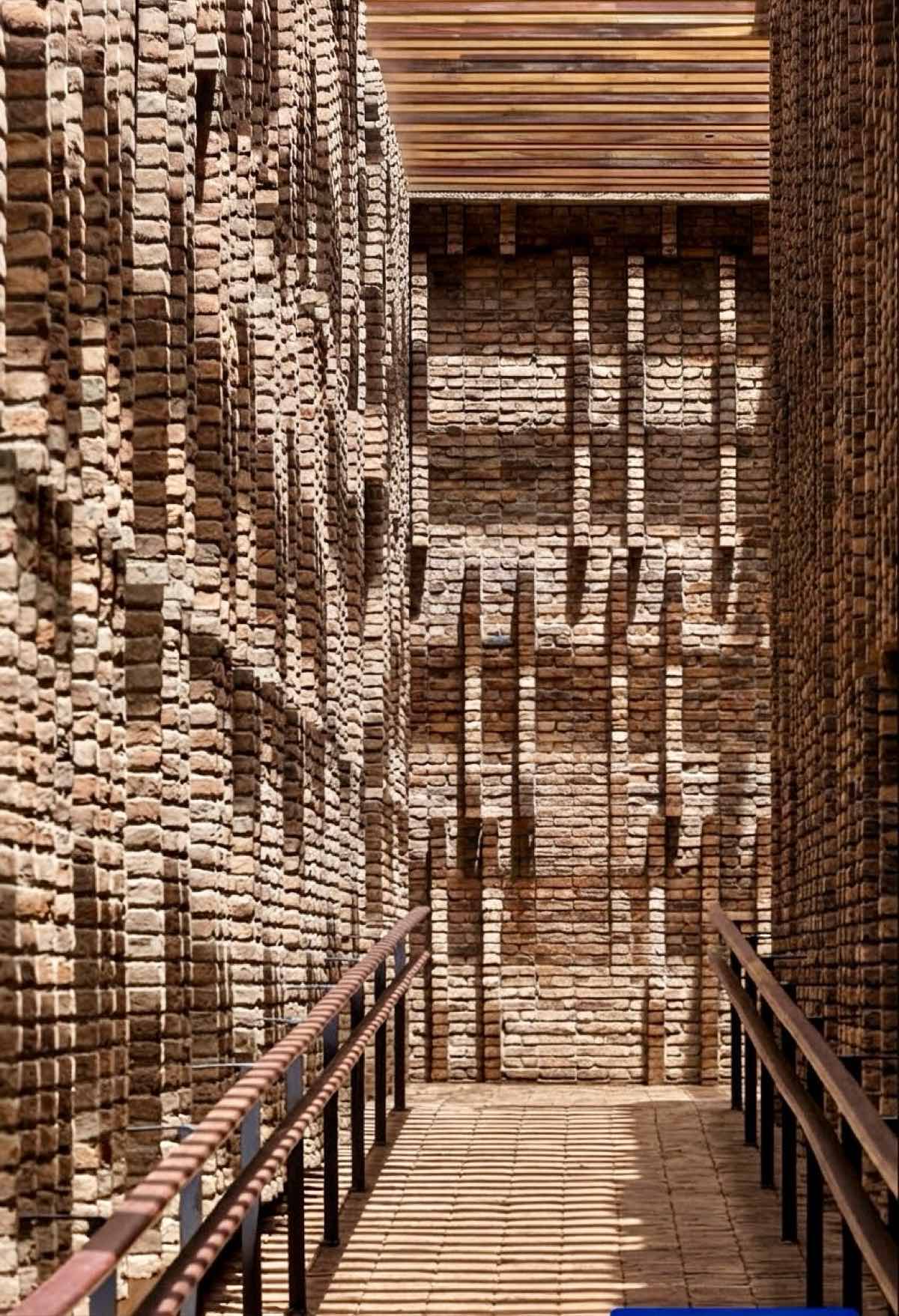
We get lost looking for the gallery pavilion showing the photography of Claudia Andujar. Her study of indigenous peoples are impressive but for me the alternating design flow of bricks the gallery is constructed from is even more beautiful. (Image edited from Arch Daily). We’ve walked over 5 miles and a lot of it up steep hills in hot sun. We’ve seen some interesting art but to be honest the park is the greatest star here, it’s a beautiful space. At 3.30pm we call an Uber and head back to Belo Horizonte. Our driver spoke broken English, he’d lived in America for a while. Hard to understand on occasion and was explaining something about a motorbike accident. When he lifted up his dead left arm with his right hand (whilst driving) I realised we had a one arm driver hurtling down the potholed highway dodging between the massive trucks. He was a really nice bloke but bloody hell was I relieved to get out of the car 90 minutes later.
Ouro Preto
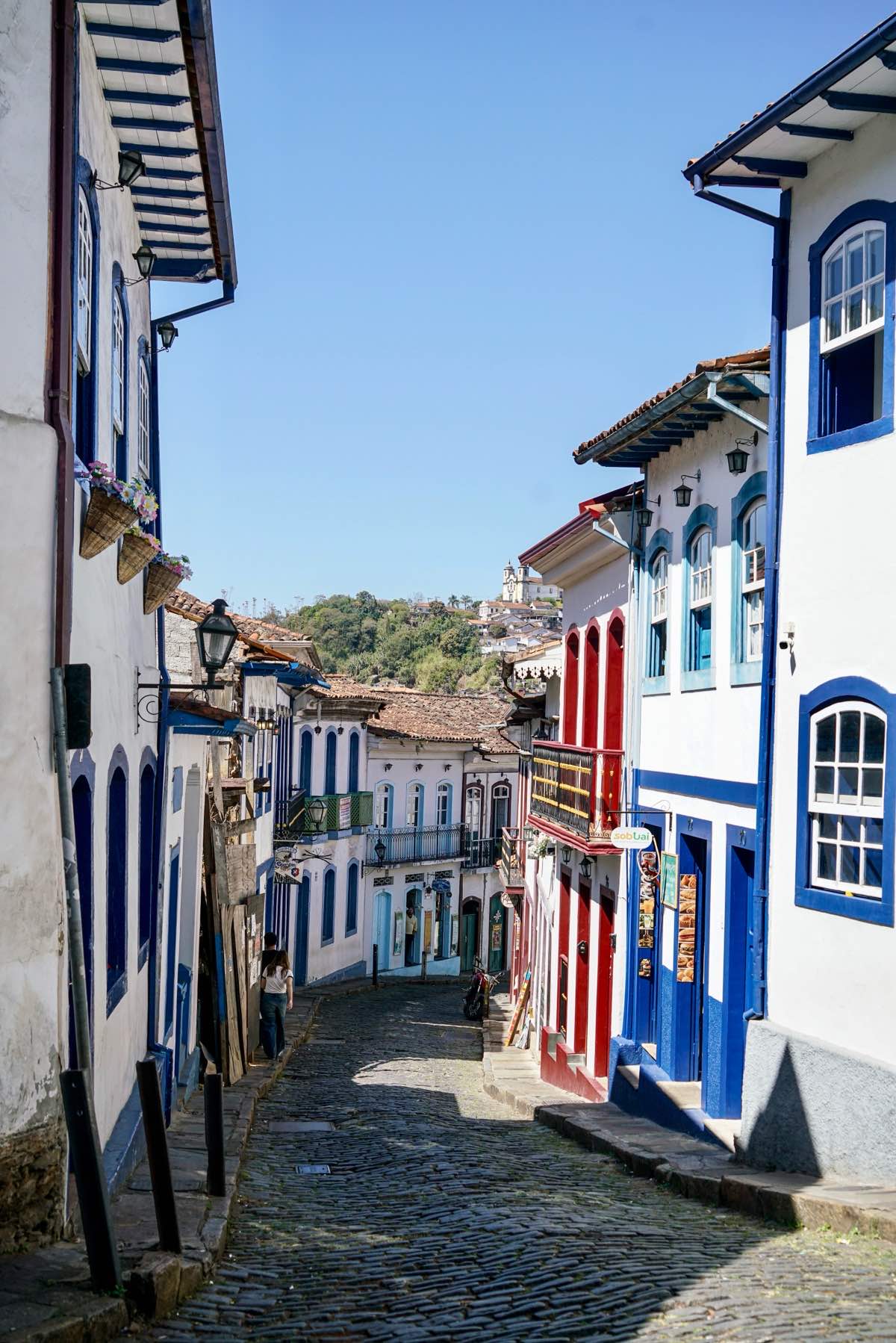
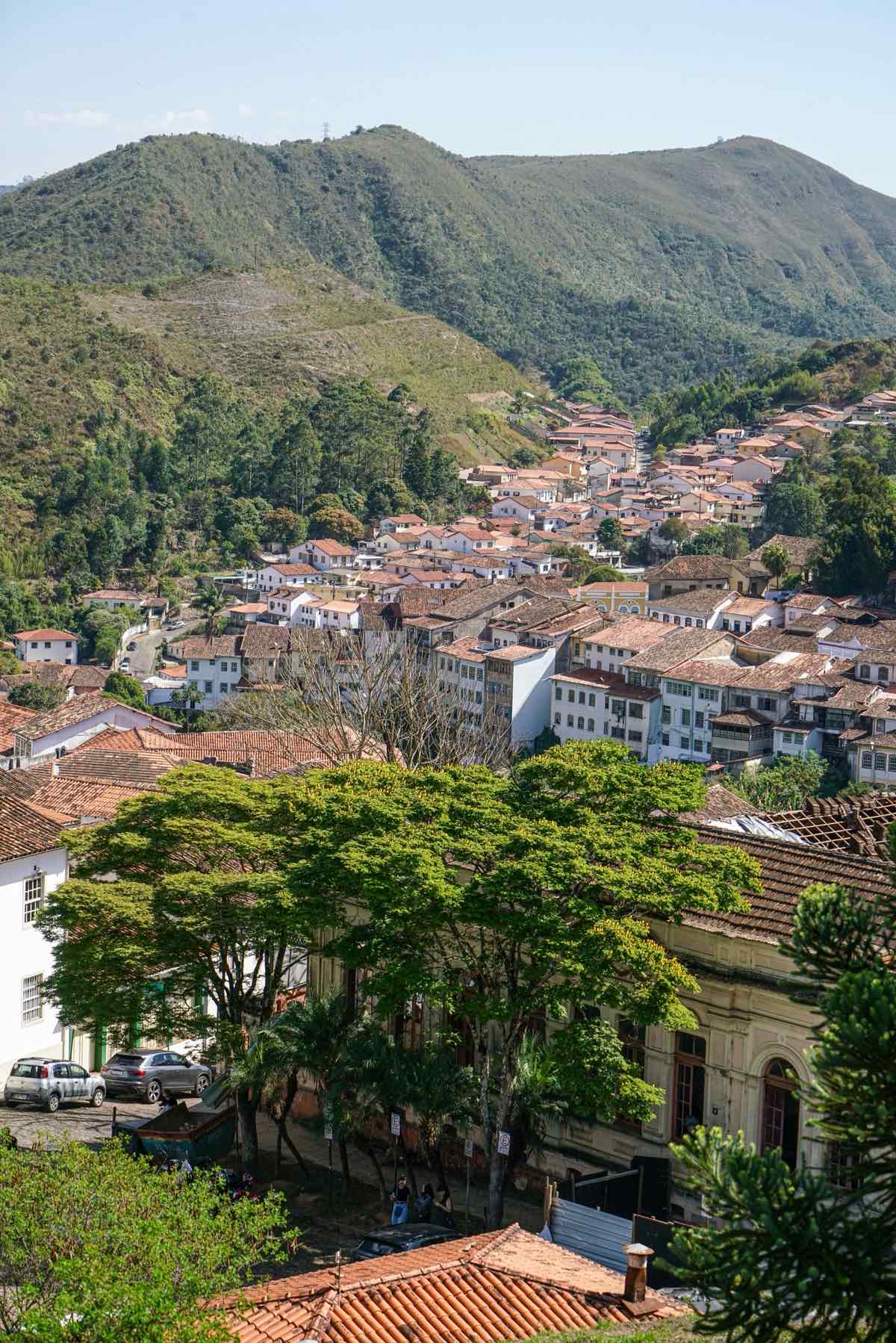
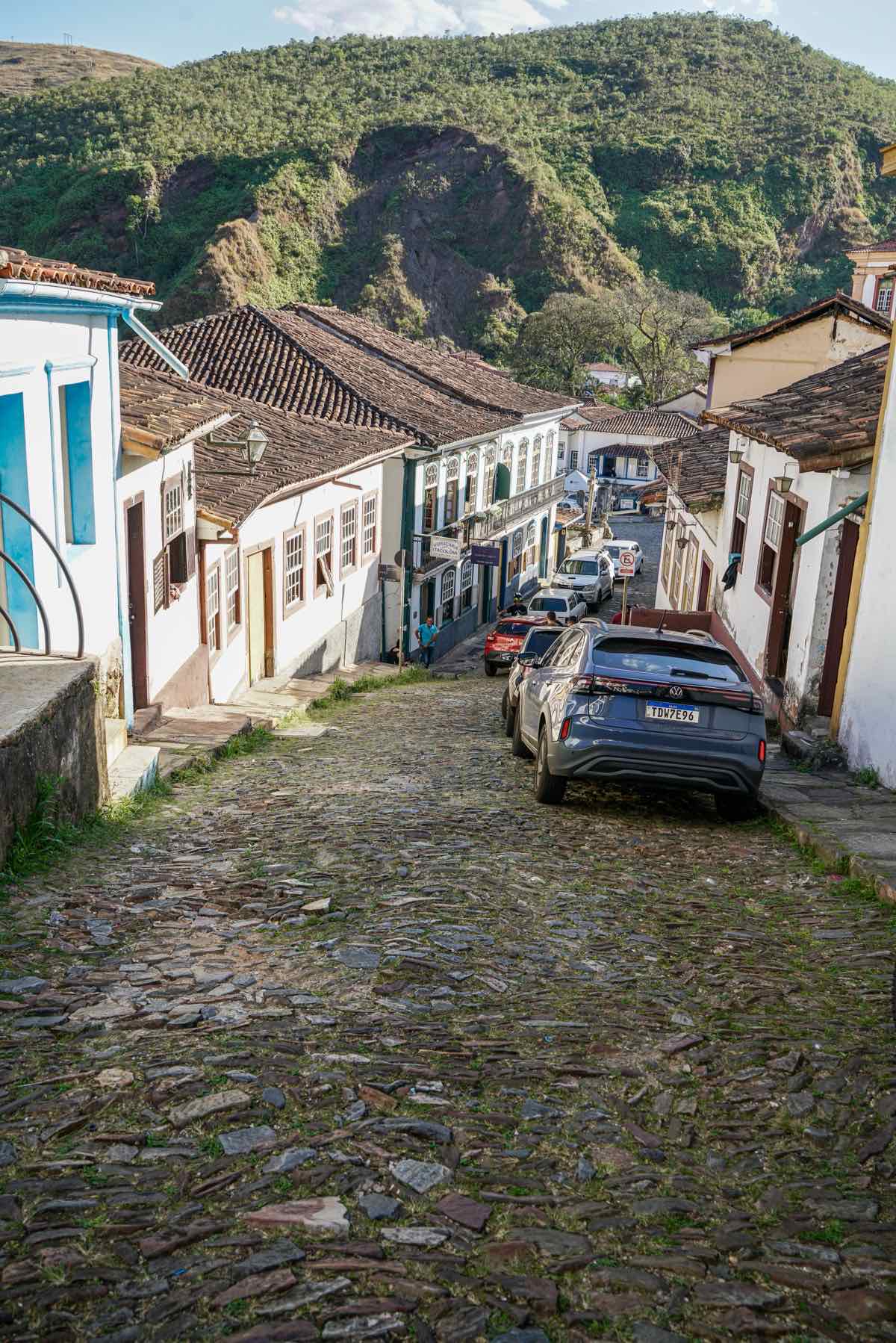
August 21. 10am and we’re on the highway in an Uber with Mauro, heading 2 hours to Ouro Preto located in the Serra do Espinhaco mountains in Minas Gerais state. A traffic jam thins to reveal a crumpled van and a more crumpled car. We pass a man on a motorbike with a Swiffer cleaning mop in one hand the other controlling the bike…he’s shuffling around trying to get comfortable whilst speeding down the highway. The roads are terrible, ridged and potholed, Brazilians drive fast cutting in and out. Through multi-coloured houses scrambling up steep hills at Itabirito…the blacktop red with dust. We’re driving by the edge of Parque Nacional da Serra do Gandarela but we’re on the highway passing cement factories, timber yards and quarries; red, white, yellow scars dug in the landscape, huge trucks on the road filled with their rocks. Two police vehicles with red lights flashing and ‘Getap’ in bold letters sound their sirens to pass. We arrive in Ouro Preto, a former Portuguese colonial mining town (its name meaning ‘Black Gold’) also known for its exceptionally steep cobbled streets.
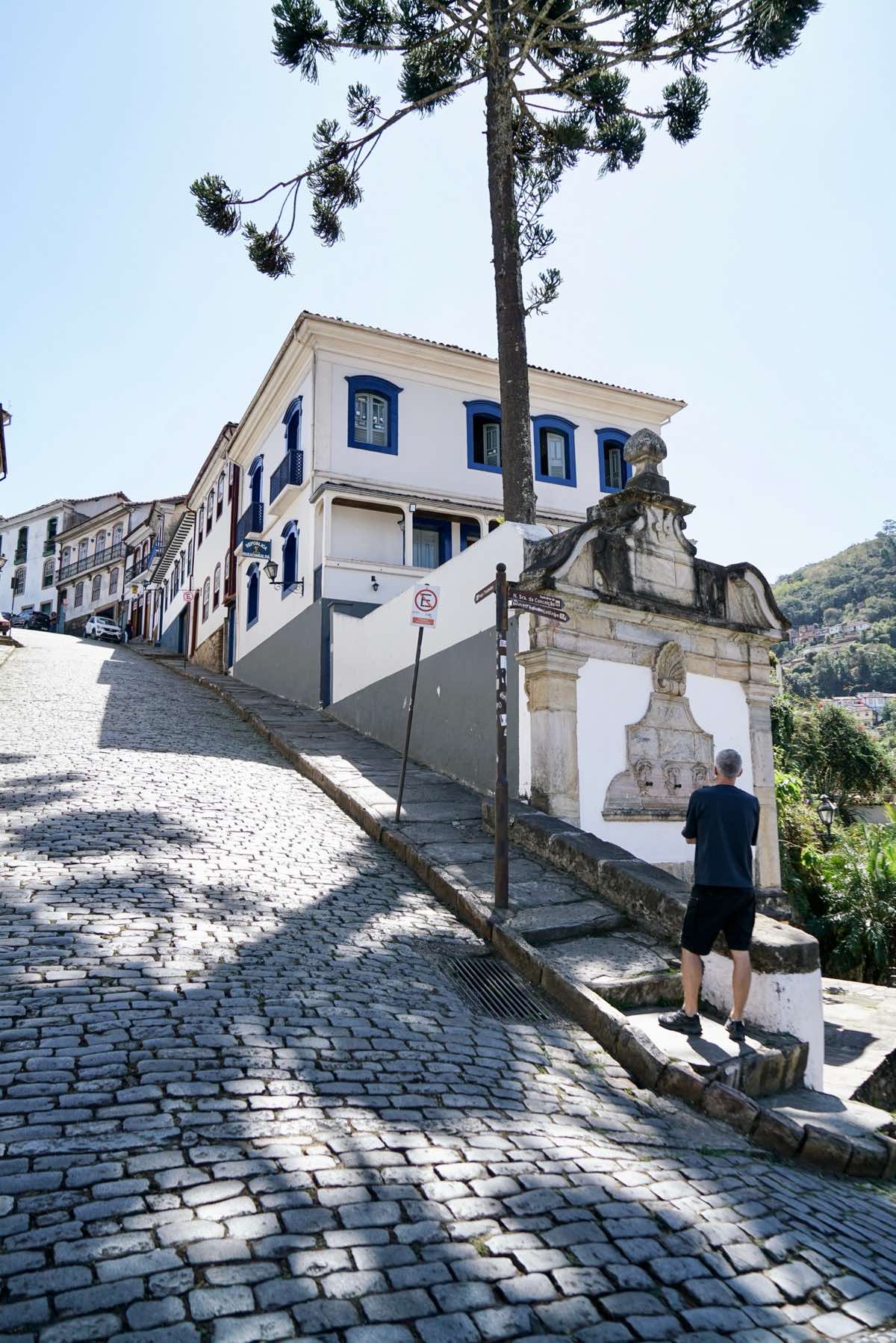
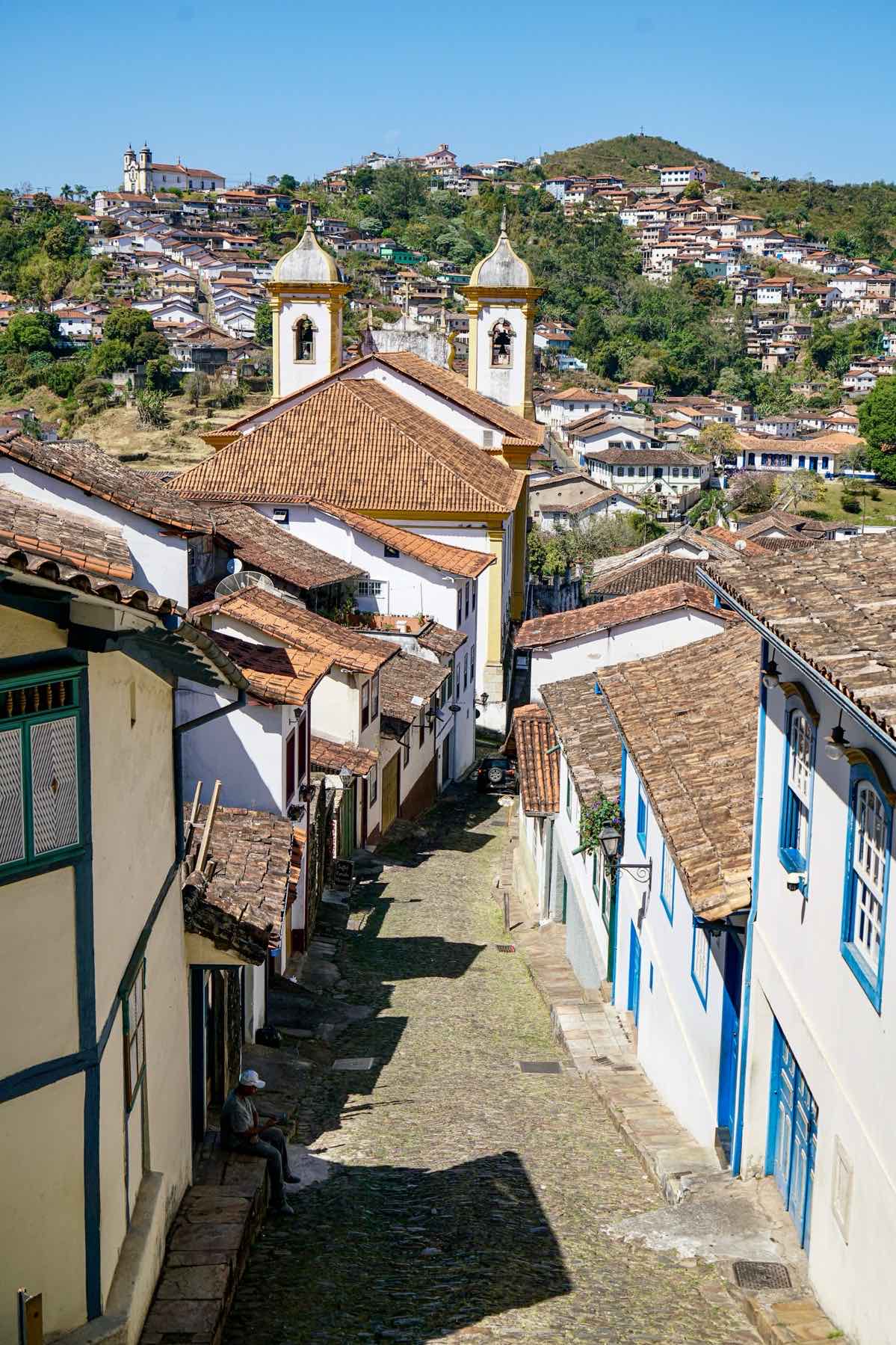
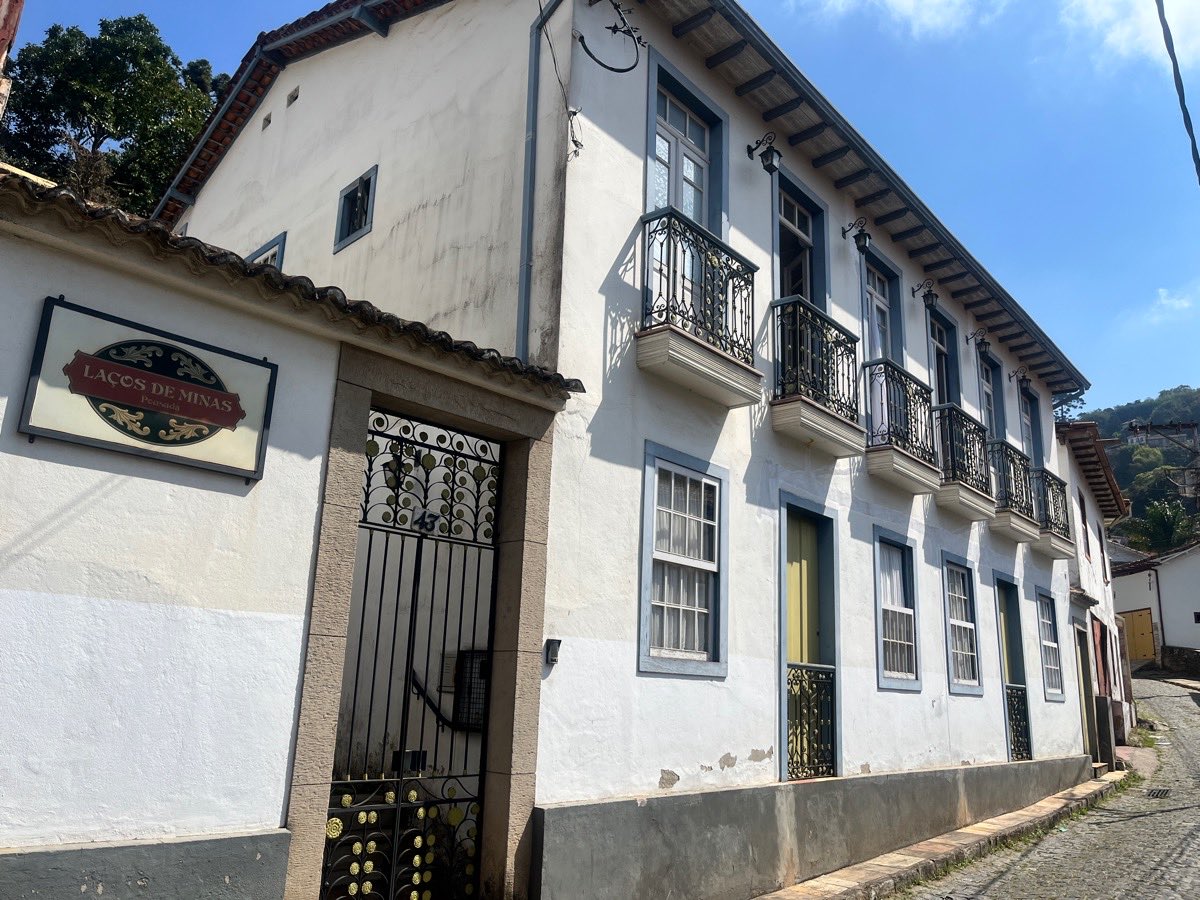
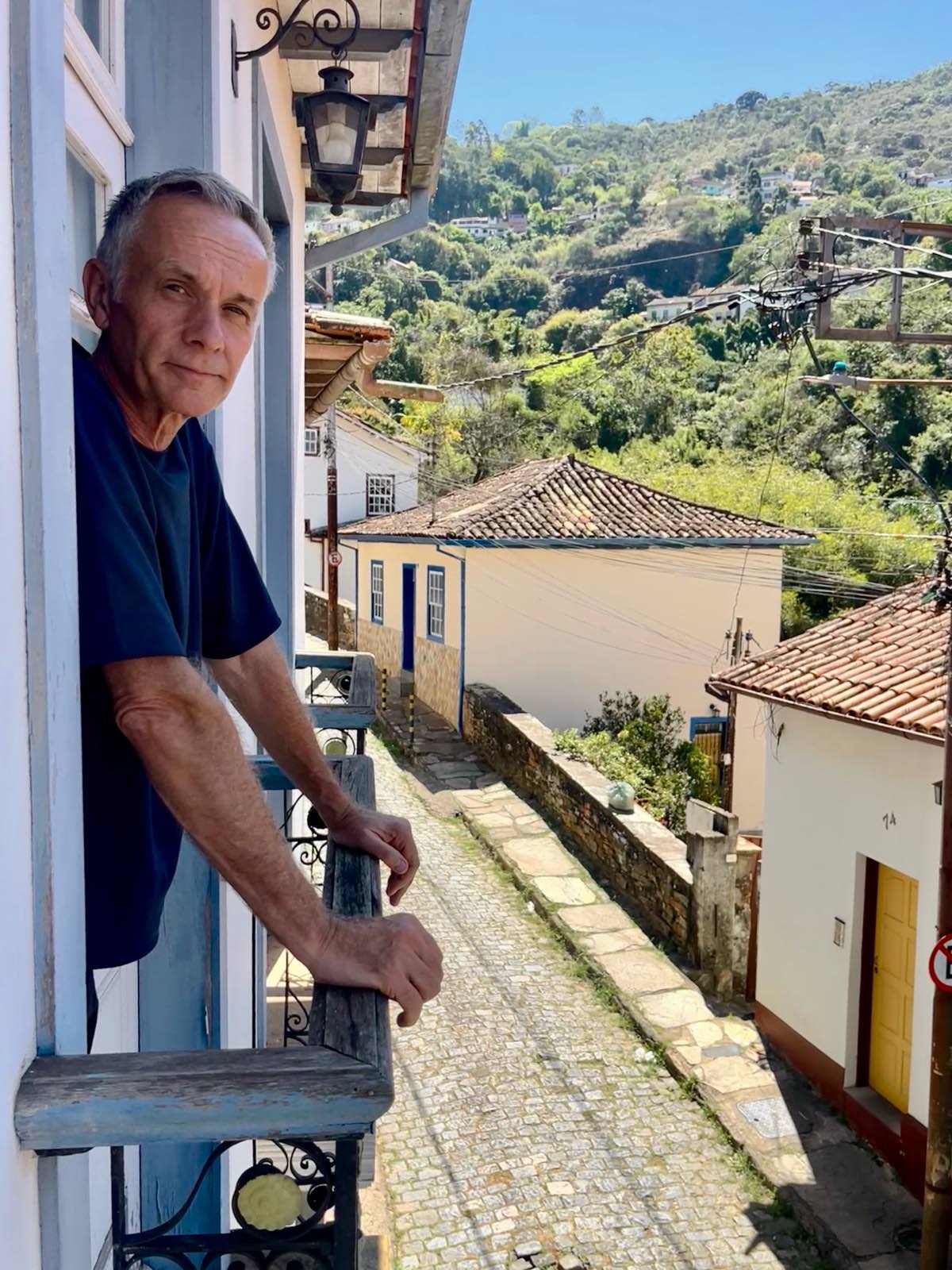
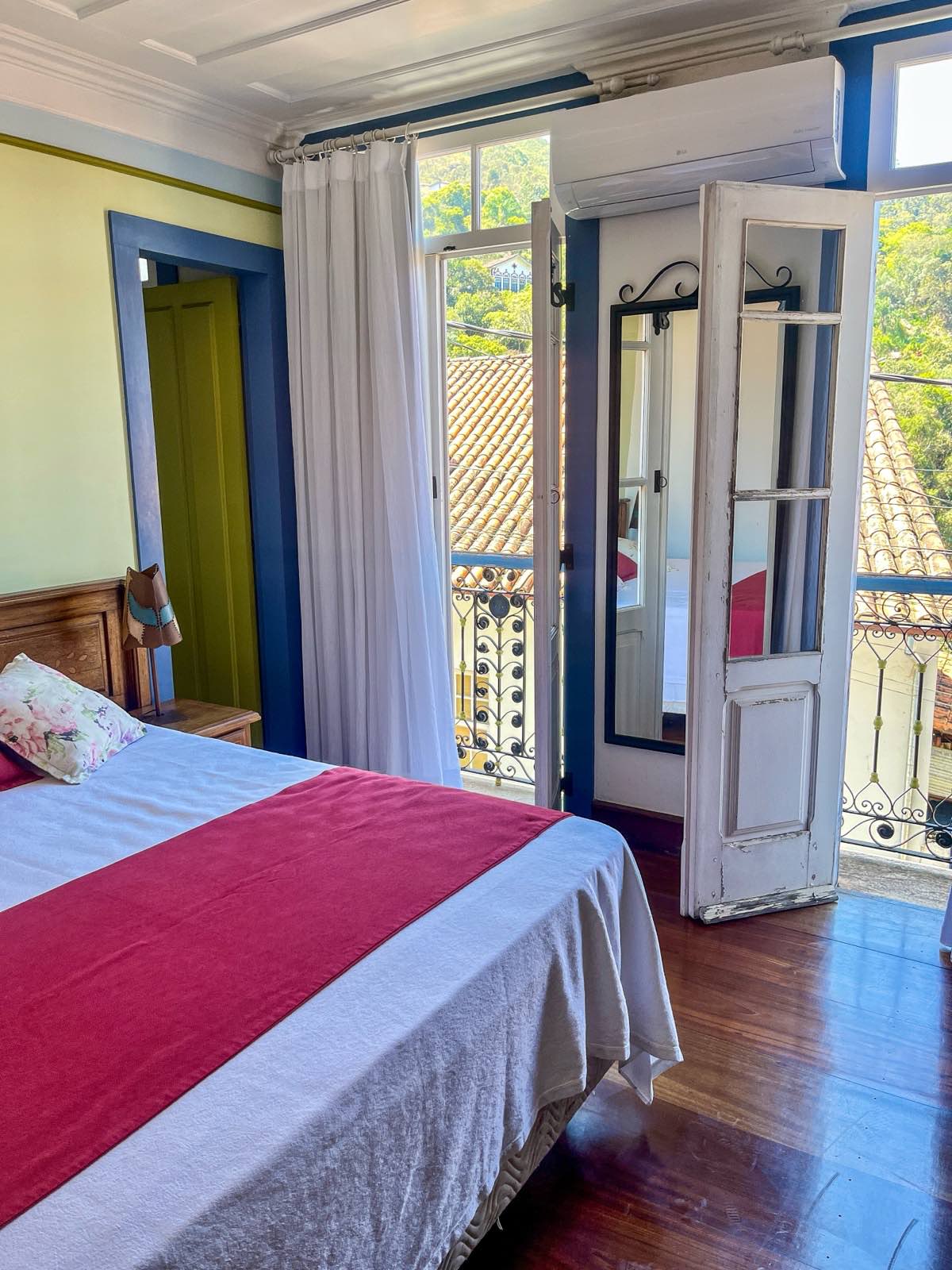
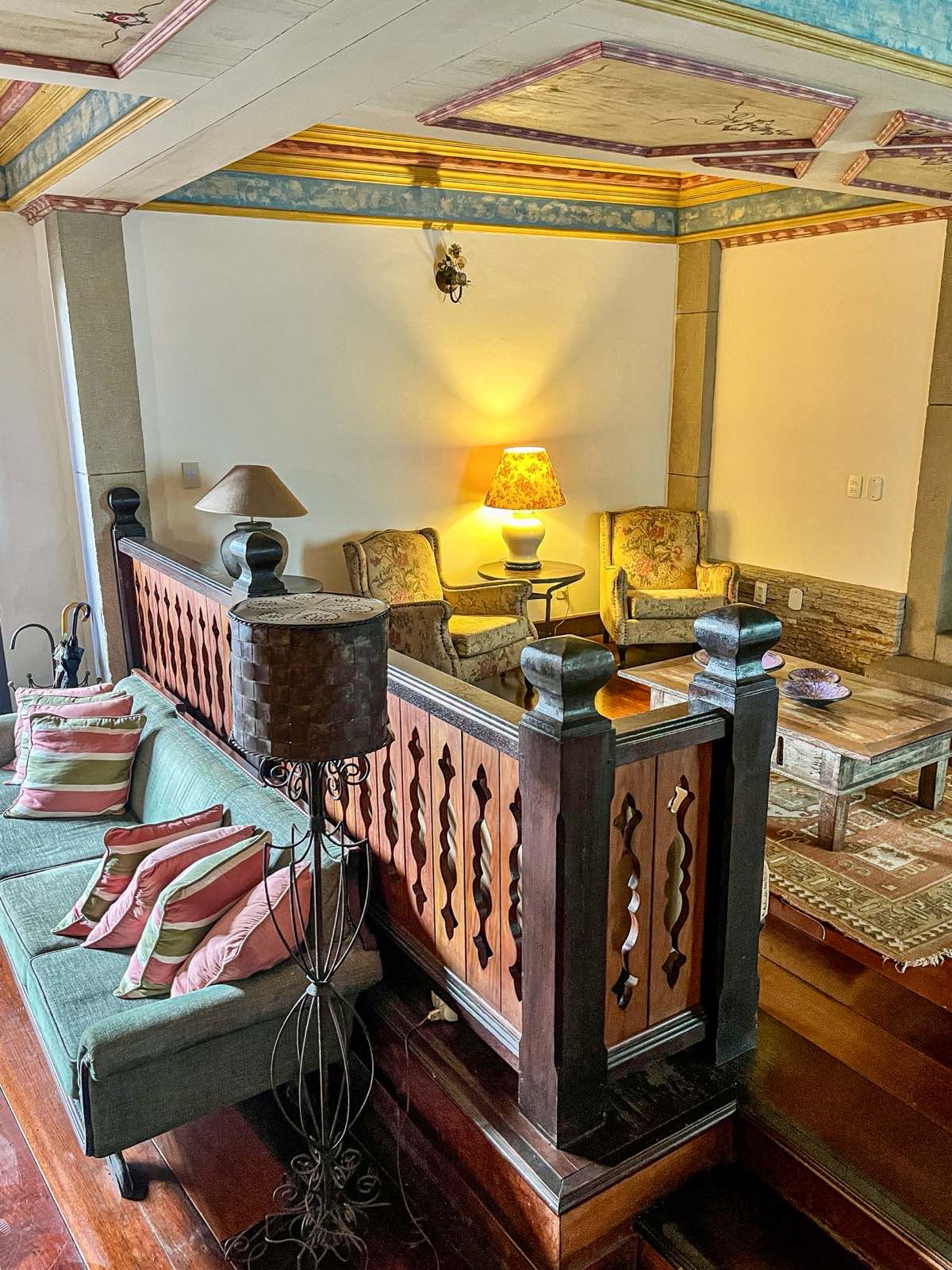
Mauro negotiated the steepest street I’ve seen anywhere to drop us at the gated entrance of our hotel Pousada Laços De Minas on Rua des Paulistas. It’s a beautiful old colonial style guesthouse in the historic centre with a traditional blue and white facade and ornamental ironwork. The lobby has polished wooden floors and a velvet antique sofa, two small balconies look on to the street from our room. We love it.
We spend the afternoon walking…not an easy walk as every street is a steep ascent or descent over high gappy cobblestones, cracked stone steps with surprise raised edges, steps ending in metal bars…or steps so high that Dave needs to assist me. It’s great fun but I’d love to be about 10 years younger and a lot more nimble. An elderly man breezes by me.
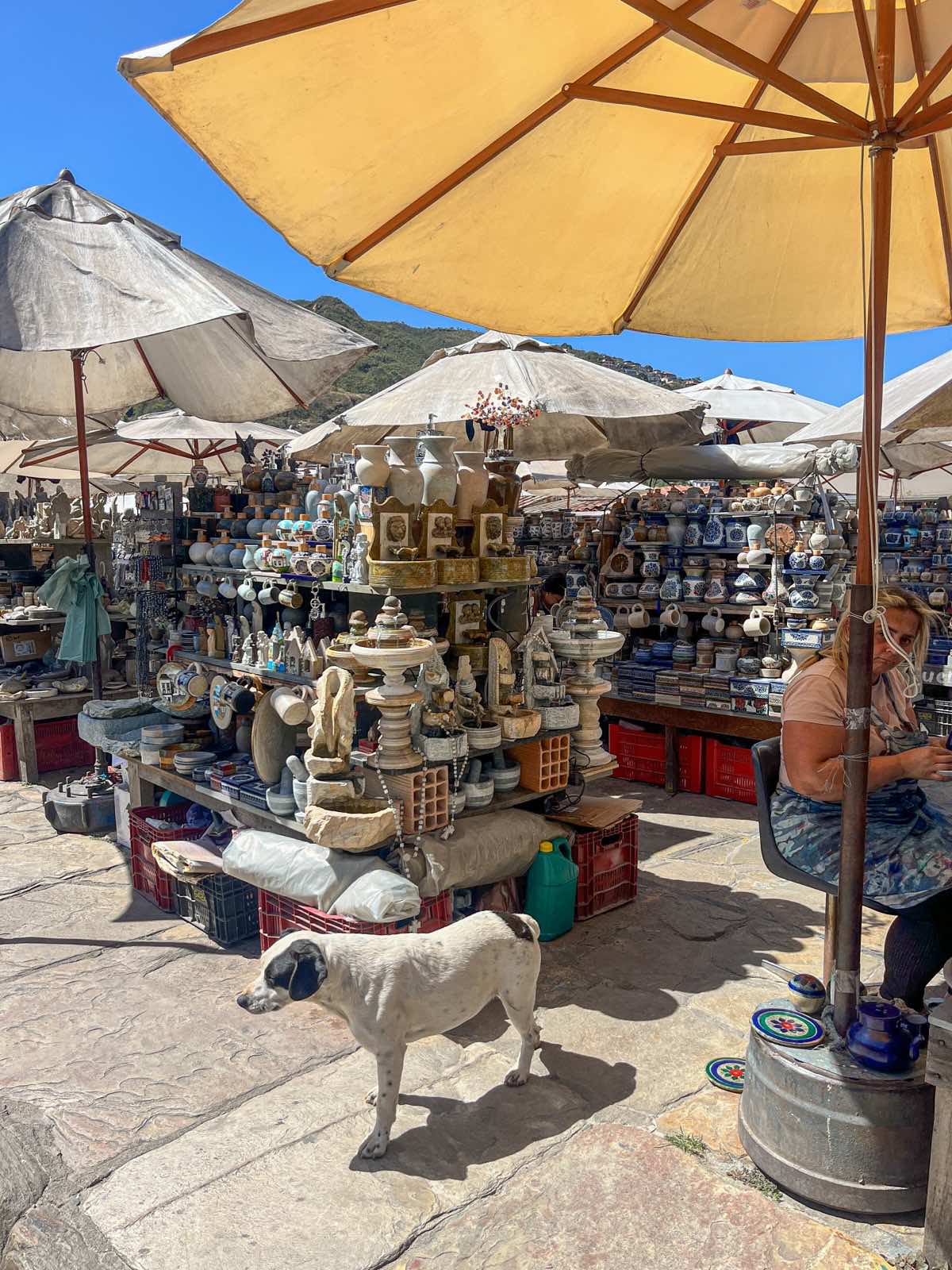
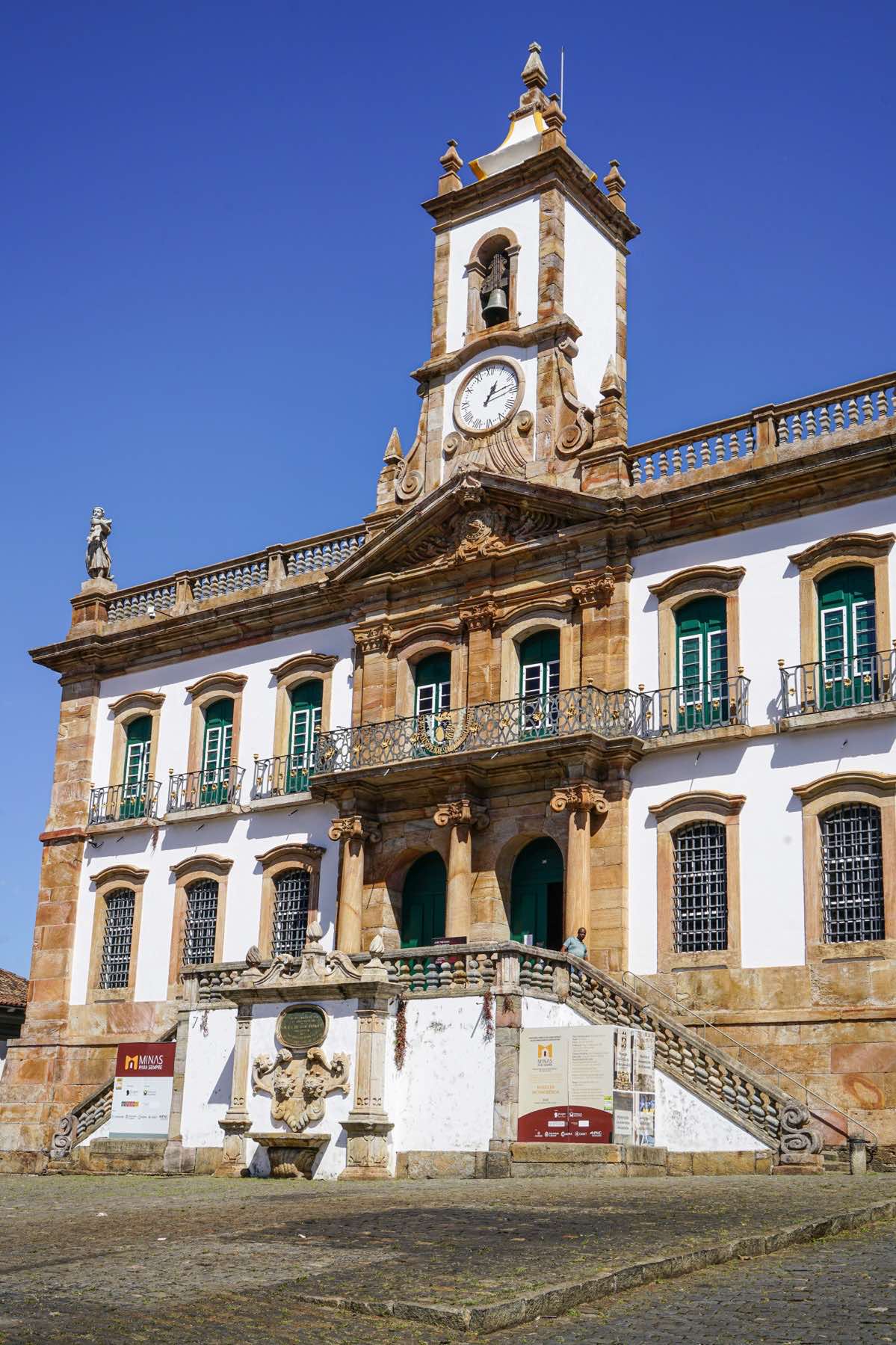
Near the Church of Saint Francis of Assisi we wander through the Feira de Pedra Sabao do Largo Coimbra; a flea market specialising in handicrafts made from soapstone. It’s a hot day and the sun is blazing directly on to soapstone mugs, carved animals, decorative boxes making them baking hot to the touch. It’s a heavy product to carry and prices are high. Stalls are repetitive and I don’t really want any of it but it’s interesting to browse. We get delicious gelato at RealLeza cafe, serving ourselves from the cafe freezers, at the till getting charged by the weight. The main square in the centre of the city is Tiradentes Plaza presided over by the grand Museu da Inconfidencia with its stone steps and clock tower. It’s dedicated to the 1789 Inconfidência Mineira uprising against Portuguese colonial rule.
I look in the independent shops (Dave basks outside in the sun). Some of the entrance steps are crazy high depending on the steepness of the shop location. It’s mainly tourist trinkets and a lot of hippy stuff but there’s some good quality jewellery and clothing. At the church Igreja de Nossa Senhora das Merces e Misericordia on Rua Padre Rolim we meet Lucas sitting on a wall who advises us eloquently in fluent English that this isn’t a church for tourists and is rarely open, he tells us of a baroque church to visit pointing back down the hill. He’s young, Brazilian and just started volunteering/working his way across the Brazilian Gold Way known as Caminho Velho (Old Path); a 710km route from Ouro Preto to Paraty. It’s uplifting to meet young people setting out on a big adventure.
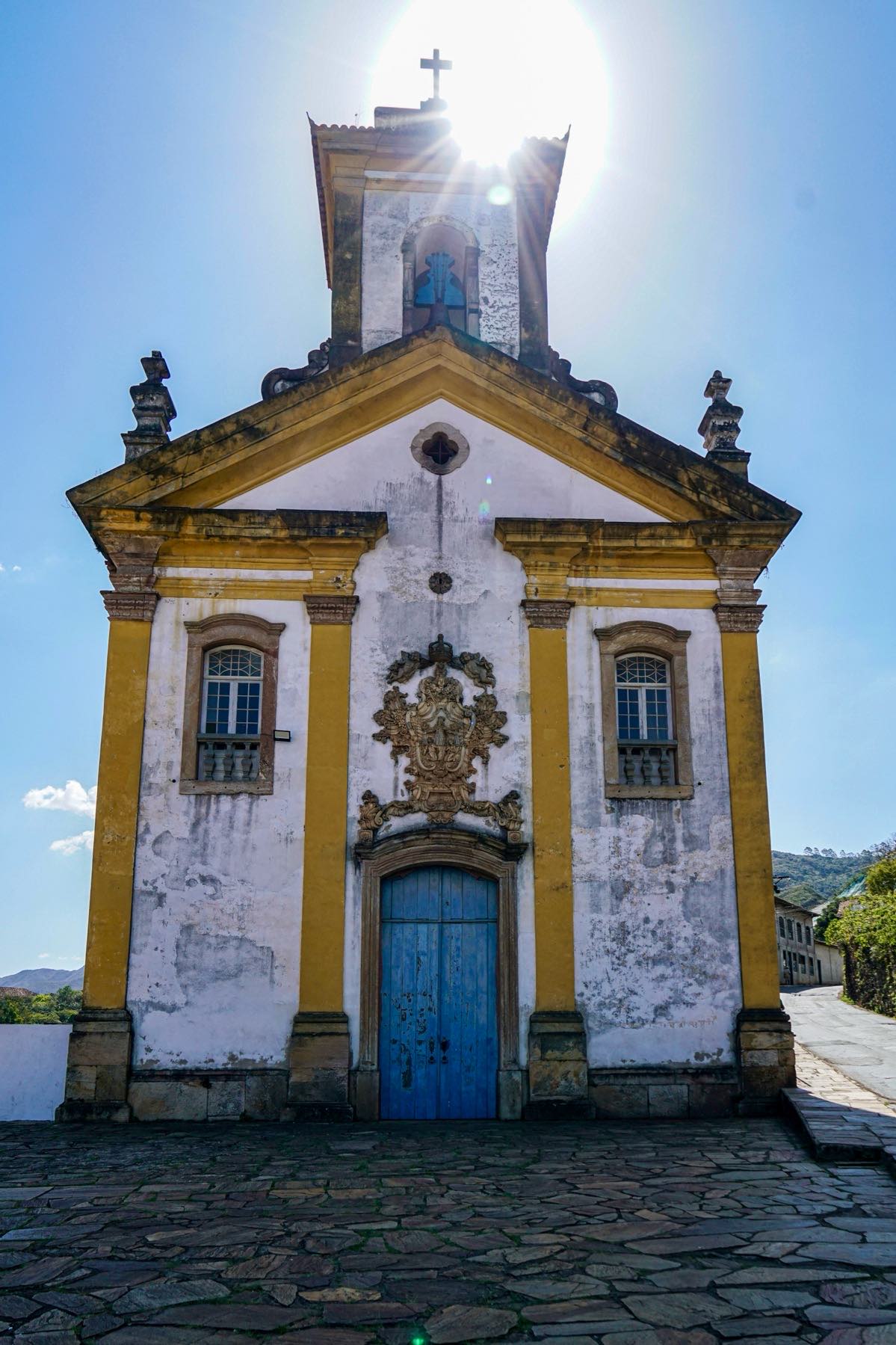
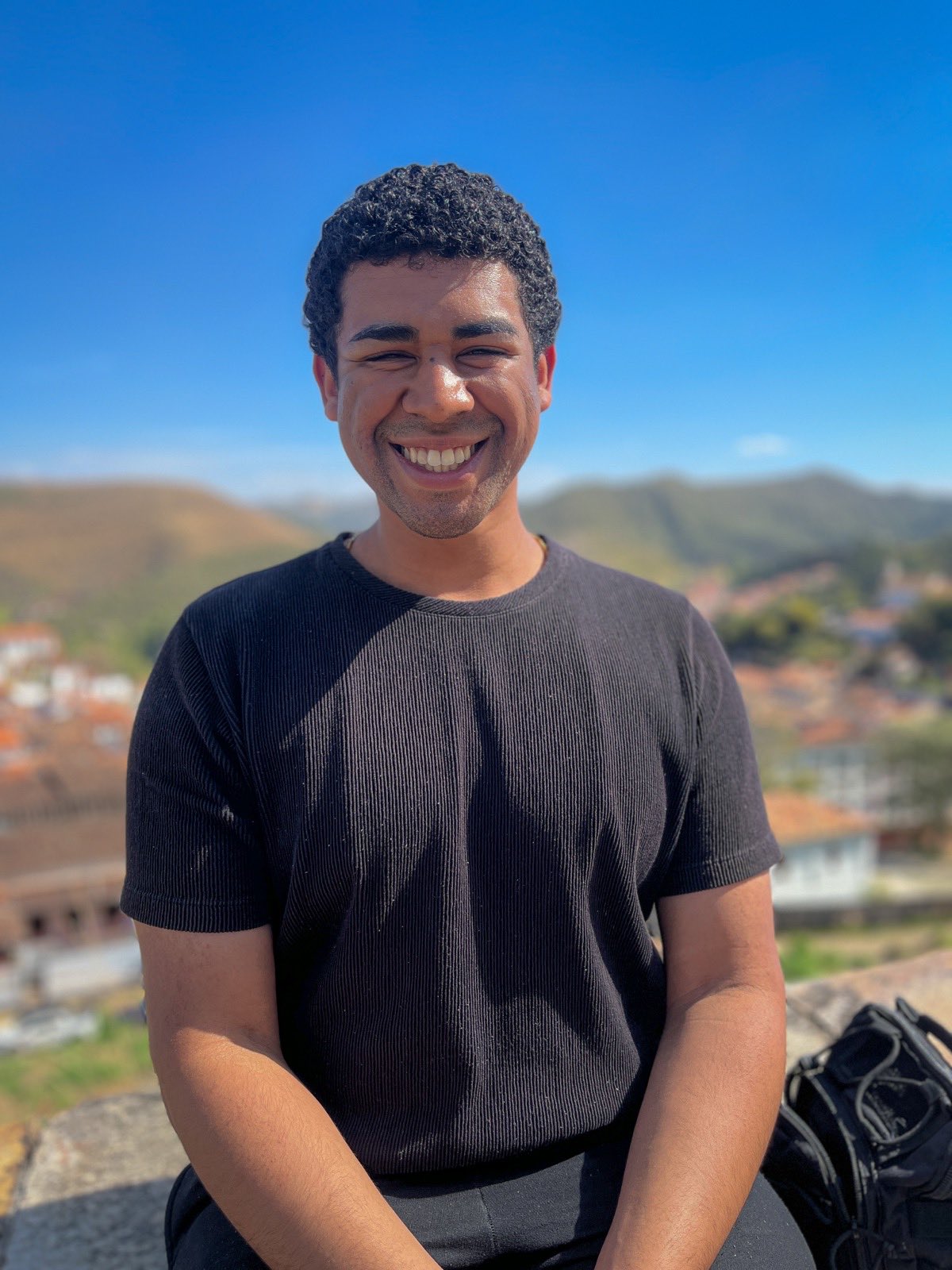
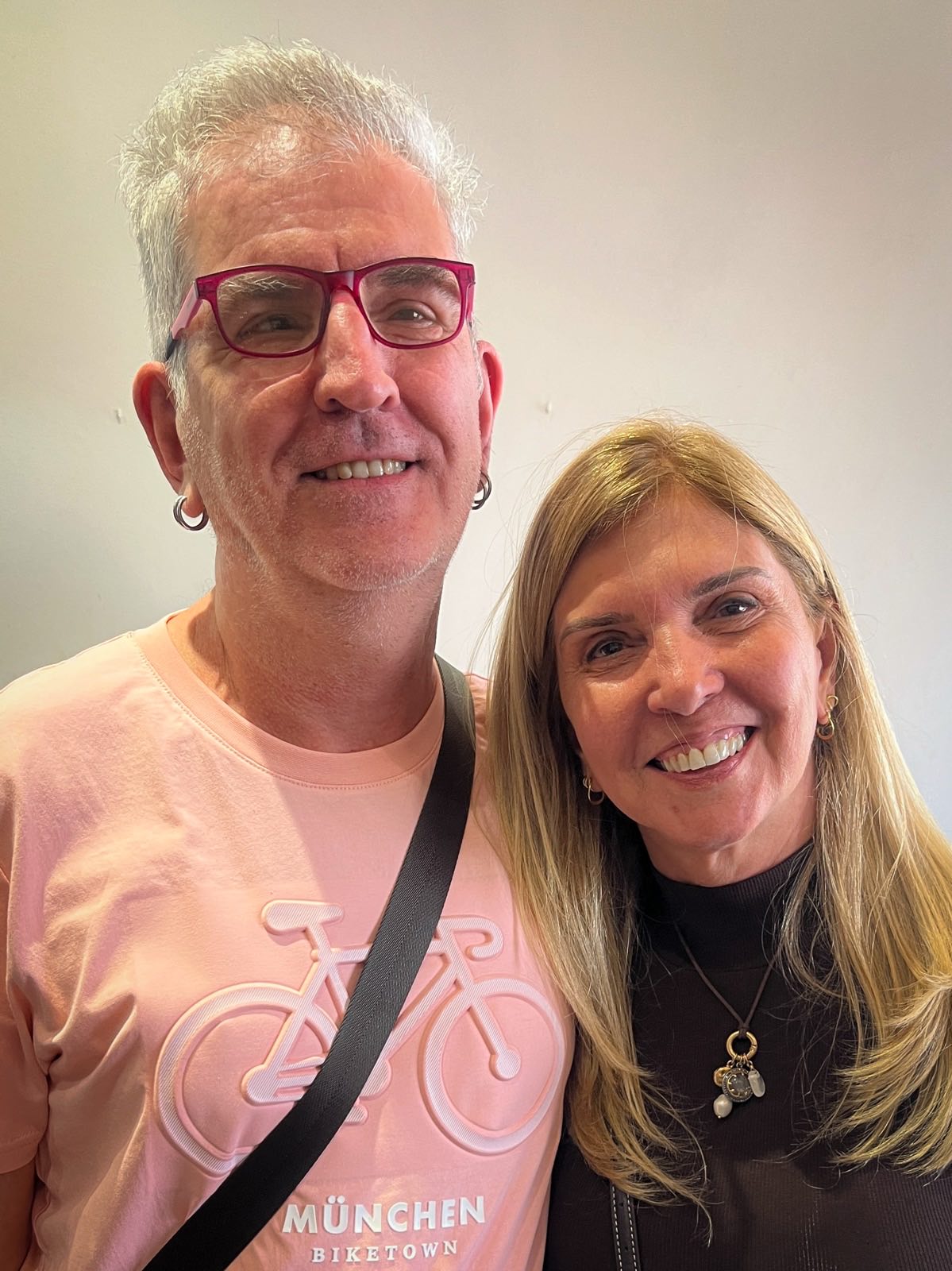
Late lunch/early dinner at Armazém Daqui Bistrô. I don’t usually eat steak but Brazil is known for it and my filet mignon with a sauce of Jabuticaba (a dark purple berry only found in Brazil) is fantastic. We walk down Rua do Pilar, a street so steep I imagine myself rolling down it. At a window I nod and say hello to two gentlemen before Dave discreetly hisses at me to move on; it was a Doctor’s office, the older man having a ‘rear’ examination whilst leaning over the window-ledge. We’re heading for the church Basílica Nossa Senhora do Pilar famous for its baroque interior, located in Monsenhor Castilho Barbosa Square. We don’t have tickets and attempts to buy them are foiled until a lovely man and his sister buy some for us whilst buying their own. The kindness of strangers is a wonderful thing to experience. We walk and talk with Marcos and his sister Marielle learning that Marcos is a prominent Brazilian linguist, Universidade de Brasília professor and published author, he’s interesting and amusing as is Marielle, they’re great company.
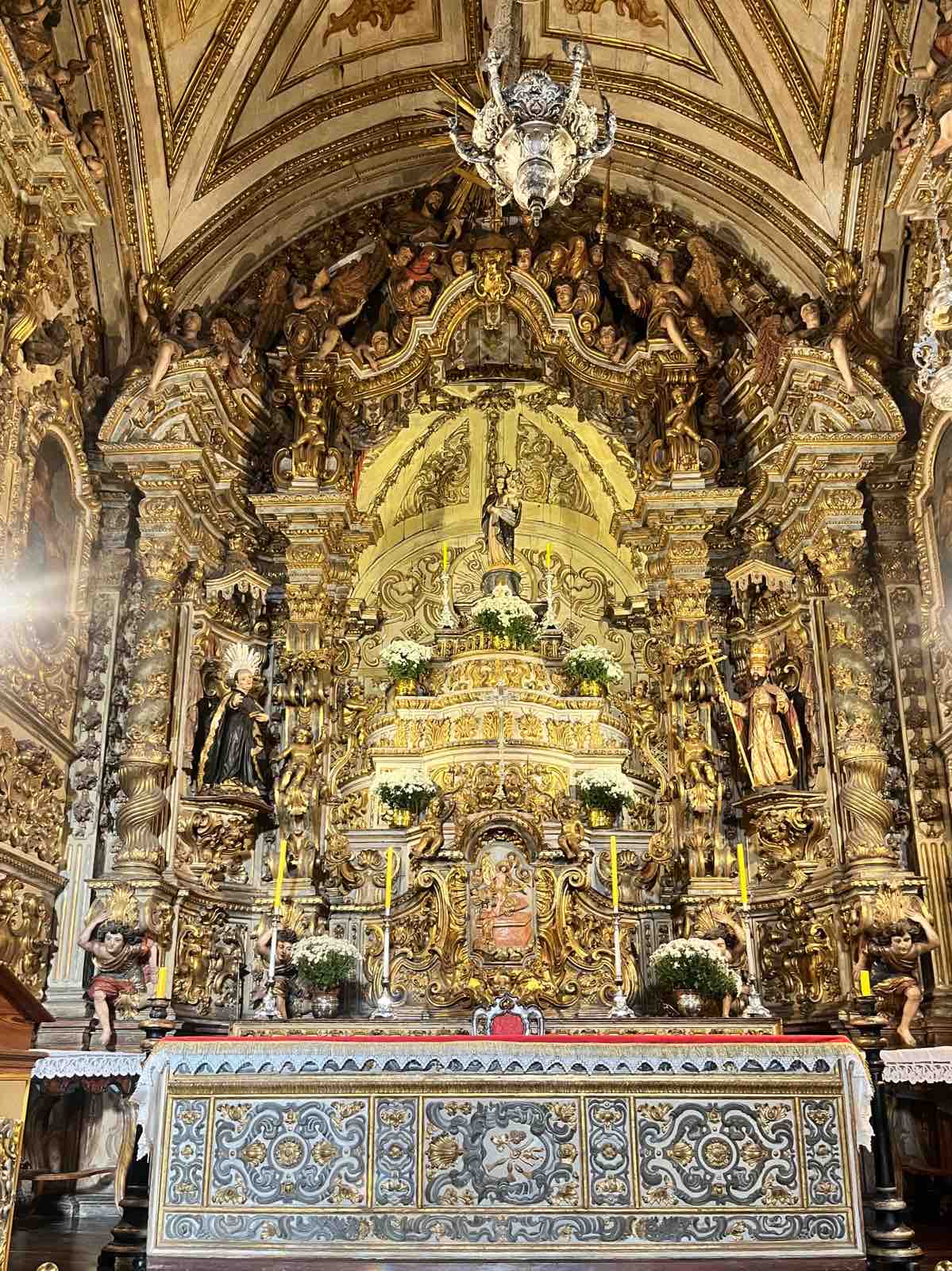
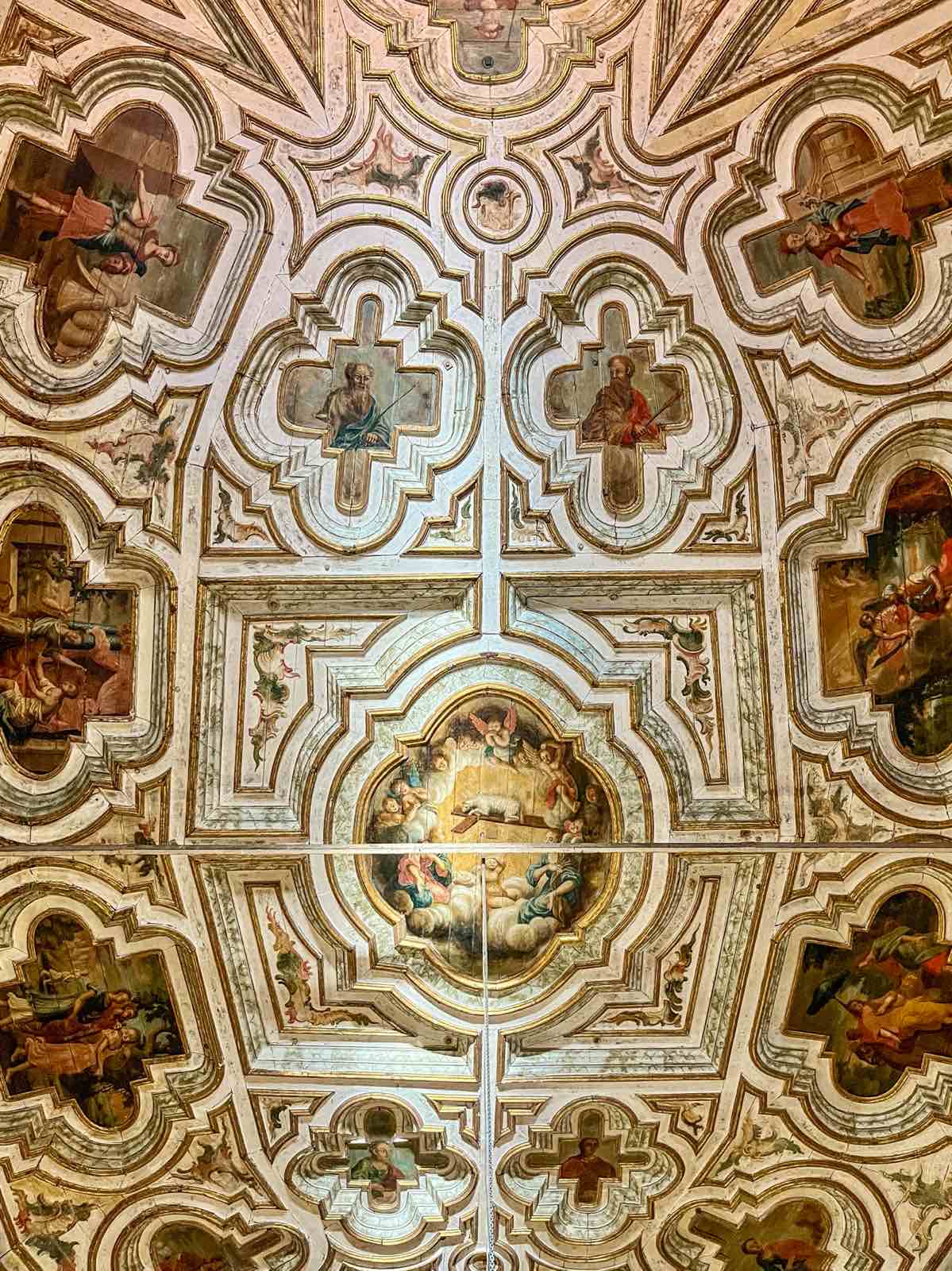
Built during the Brazilian gold rush and completed in the 1700s the Basilica has the second richest gilded interior in Brazil holding approximately 434 kilos of gold and silver leaf. It’s beautiful but as with many things Baroque it’s cluttered with so much that your eye loses the detail. Below the church is the Museum of Sacred Art of the Pilar; a small space featuring historic religious artifacts.
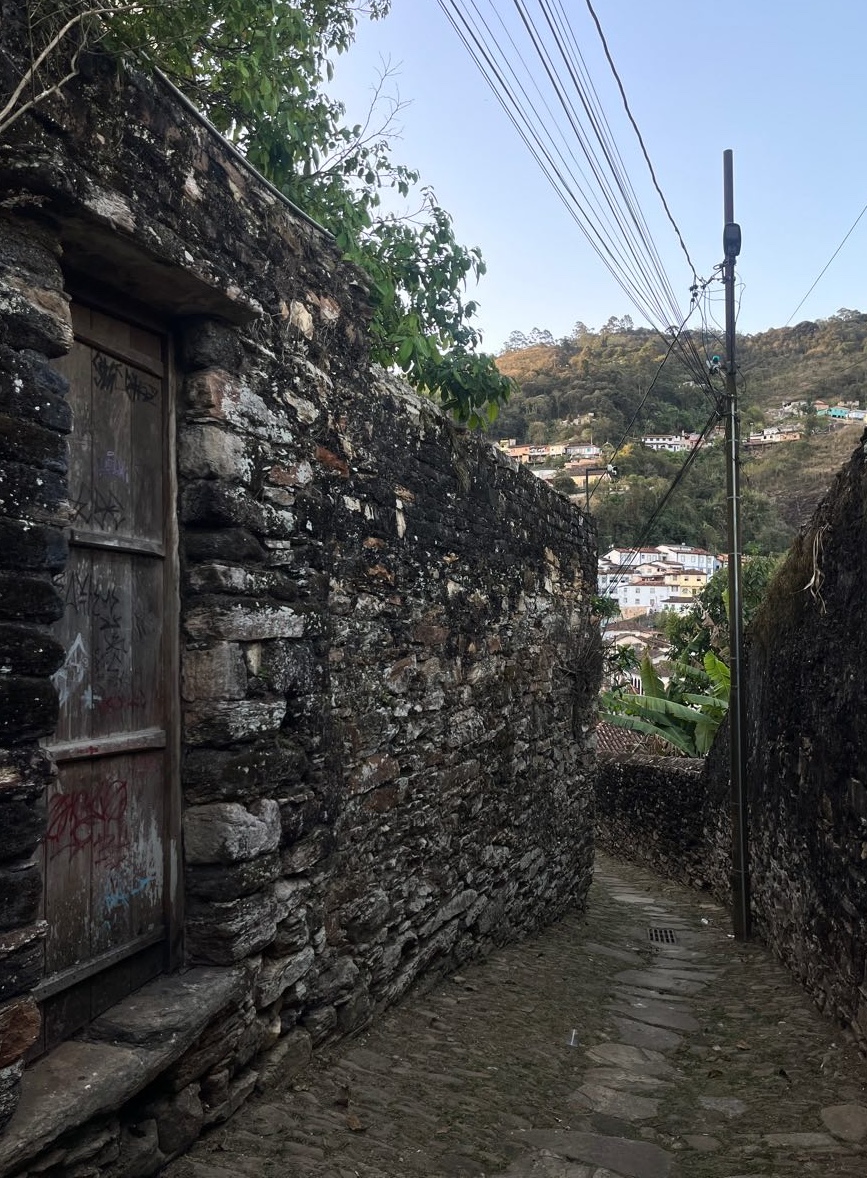
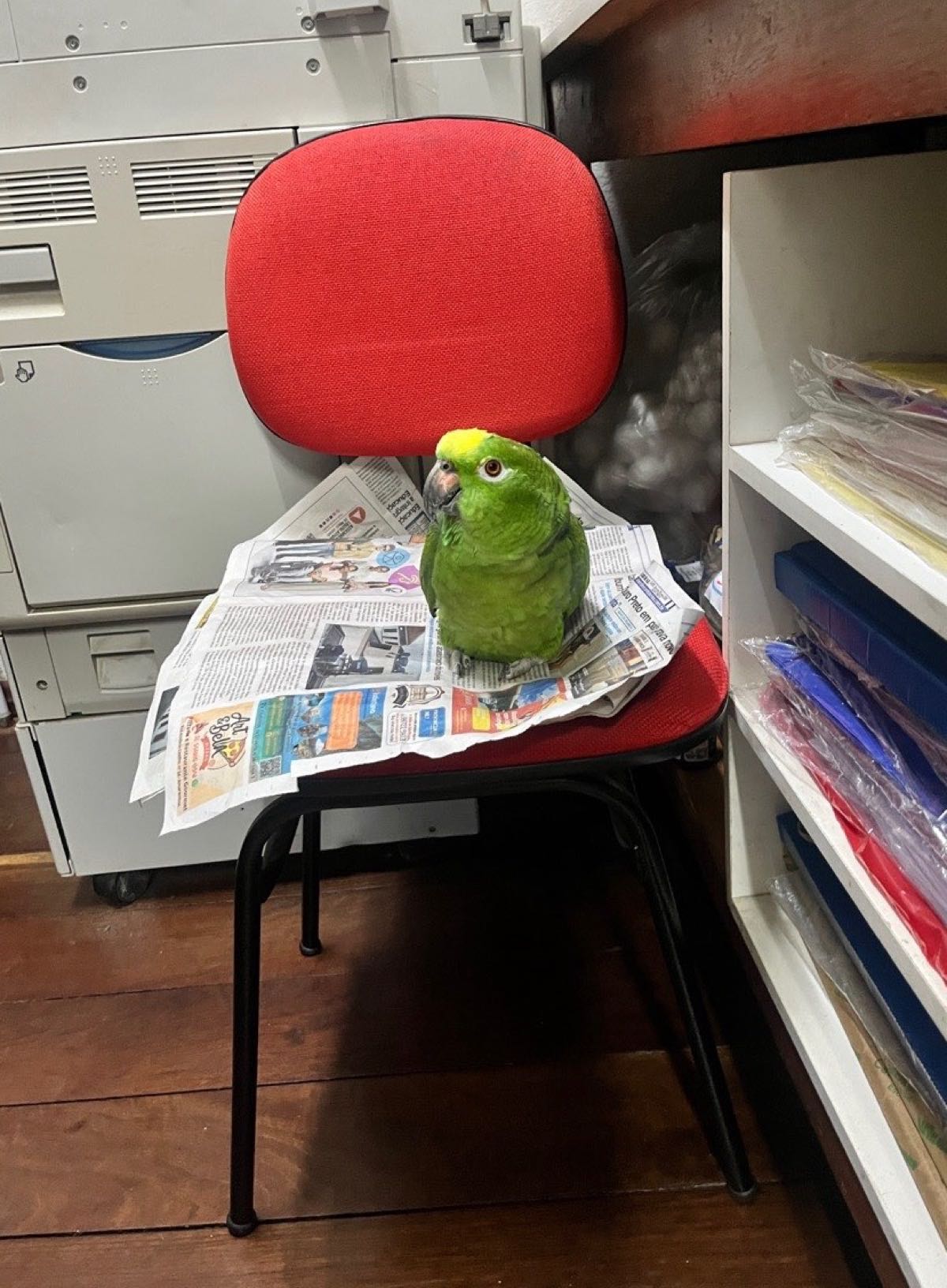
We take a different route back to the hotel, cutting through a high stone-walled street with flat cobbles, it’s ancient and well trodden. A blue-eyed cat winds between railings to greet me, its eyes are crossed. It’s an atmospheric shortcut and we only pass a handful of people. We go back to our hotel saying hello to the friendly man in the doorway of the shop opposite who invites us in to meet the resident parrot. It’s sitting on a chair chatting in Portuguese to a lady sitting next to it. When I start laughing, hilariously the parrot mimics me. The perfect end to the day.
Ouro Preto
August 22. Breakfast in our small hotel in a beautiful room with sunlight streaming in. This hotel has a lot of character and charm. On the street we greet the man from the art supply shop where the parrot lives. Up by the soapstone market again to go in to the Church of St Francis of Assisi, distinctive with its circular bell towers and single large entrance door. 30 Brazilian Real each to visit, it’s packed with visitors and a school party. Building began on this Rococo church in 1766. Above the entrance is a large soapstone carving by the Brazilian architect and sculptor known as Aleijadinho (the church’s architect).
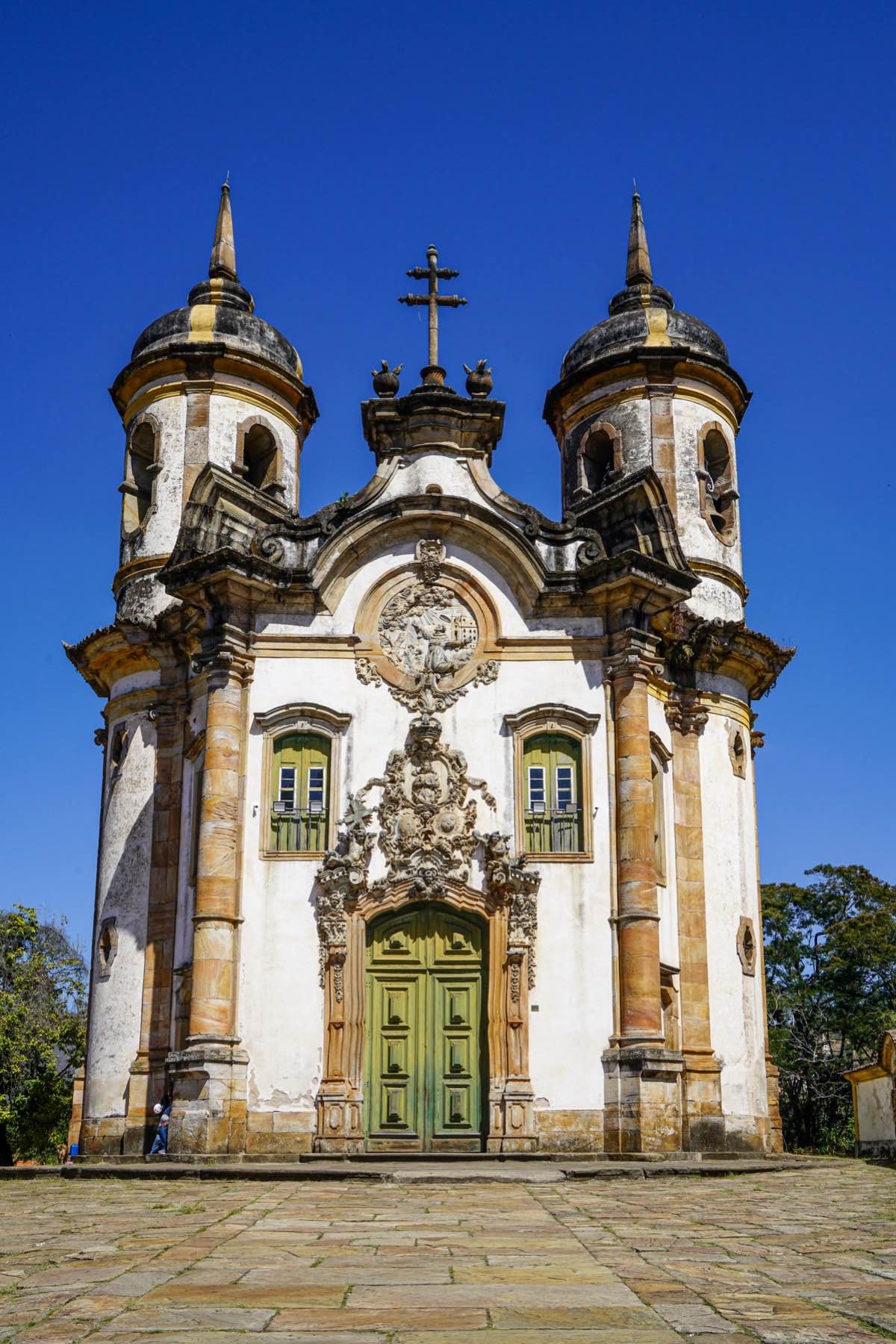
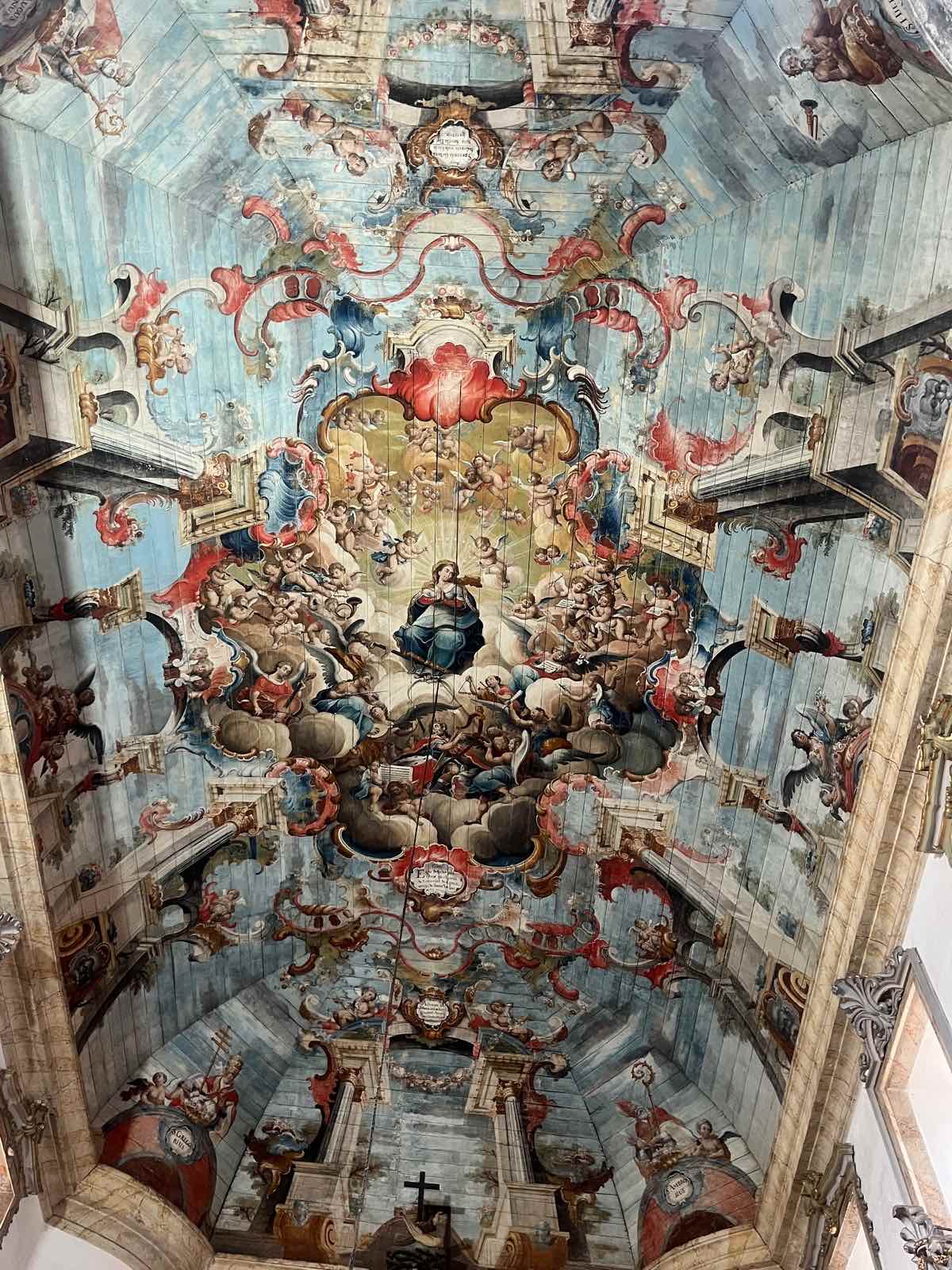
Inside the soapstone sculptures continue and the stunning painted ceiling features the ‘Glorification of Our Lady Among Musician Angels” by Mestre Ataíde. These great painters had wooden scaffolding built high to the ceiling where they’d strain their necks and bend backwards to paint these huge surfaces, I wonder if some lay on their backs with arms raised. It took Ataide and helpers 10 years to complete.
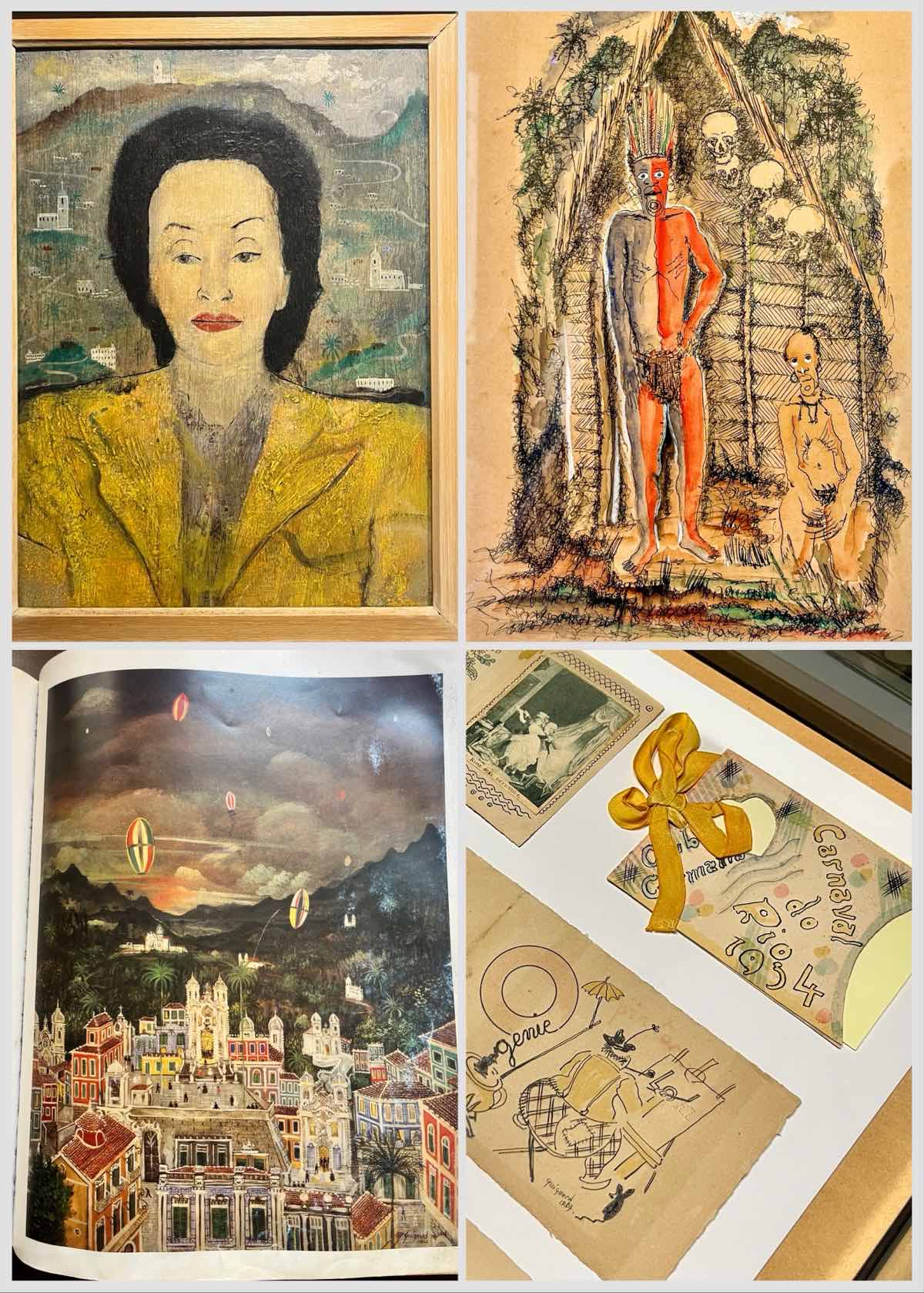
Back down Rua Conde de Bobadela in to the Museu Casa Guignard art gallery. It’s great to learn about artists when visiting different countries and this is a wonderful small gallery over 3 floors of a house. The paintings and book illustrations are thoughtfully displayed along with a timeline of the artist and photographs of him, some showing him painting at his easel in Ouro Preto. The gentleman who showed us around didn’t speak much English but gave us an english brochure to refer to. He pointed things out, took us in to the courtyard outside, pointing to stones, explaining the topaz mining. Showing us the exposed historical mortar-free brick construction of the lower levels.
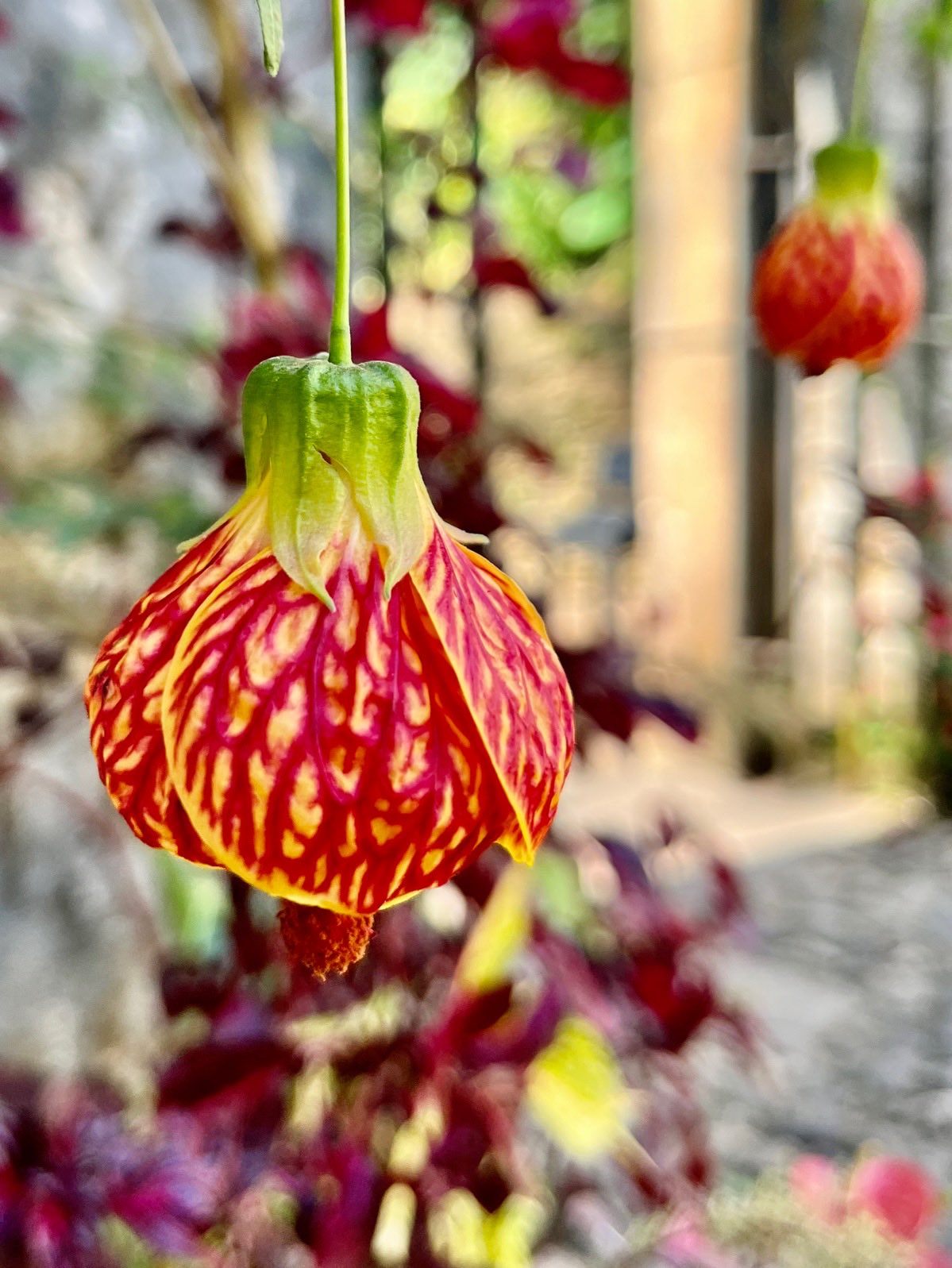
Casa dos Contos is a large historic colonial house now a museum featuring furniture, documents and books from the 18th and 19th centuries. It’s a half-hearted visit as we’d already done enough for the day. We wandered the ground floor and the cobbled basement and kitchen where enslaved workers for the house estate lived, if you can call that living. The area was used later as a prison during the suppression of the Inconfidência Mineira. I’m not in the mood for more depressing history of how we’ve treated people so we go in to the (cobbled) terraced gardens where I see a flowering plant I’ve never seen before; looking it up it’s a Redvein Abutilon commonly known as a Chinese Lantern or Flowering Maple. We have them in England but they’re plain orange, frequently used in dried flower displays.
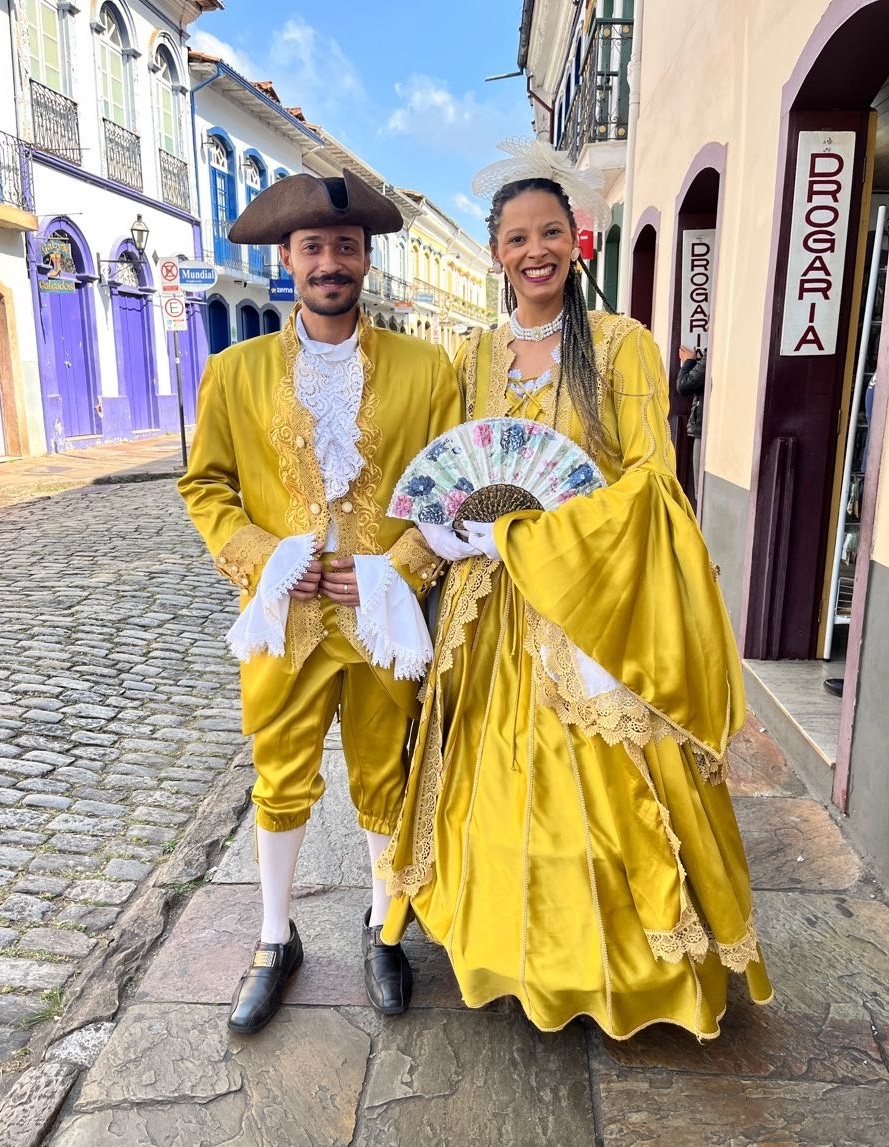
Unmissable in their bright yellow historical costumes are Flavia and her friend sedately walking the cobbles. An older lady (mum?) walking alongside passing a fan to Flavia when photo opportunities arose. I ask if they are dressed as Portuguese nobility and they tell me ‘colonial costume.’ Late lunch at the nearby restaurant Escadabaixo Bar Cozinha…it gets great reviews but the food was mediocre compared to other places we’ve eaten. Back to RealLeza cafe for more self serve gelato which we take to the grounds of the Church of St Francis to sit on the stone wall. We bask in the evening sun along with 6 dogs rolling on the grass or lying in hollows of warmed dust. Fitting they are gathered here under the protection of the patron saint of animals.
Back to Belo Horizonte
August 23. We could easily order an Uber from Belo Horizonte to Ouro Preto, $40 for the 2 hour journey. But Uber don’t offer drivers going back to Belo so it means negotiating with a local car company; it comes in at $80. Our original Uber quoted $100 obviously knowledgable to how this works. Anyway, back on the road by 11.30am leaving this beautiful town and its knackering cobblestones and steep streets. We’ve loved it. Less than 2 hours later with our competent driver Maurilio who doesn’t hurtle down the road like a madman and explains through Google translate that he used to do this run regularly as a truck driver transporting iron ore, (he points at a massive double length truck and says that’s what he used to haul in) we’re safely deposited back at the Transamerica Lourdes Hotel. This time $25 a night cheaper, and what a difference that makes. An old floor of the hotel that hasn’t been upgraded since around 1995. On two levels, the bedroom up a scuffed staircase, the windows so thin it sounds like the traffic is inside the room. It’s hard to believe we’re in the same hotel.
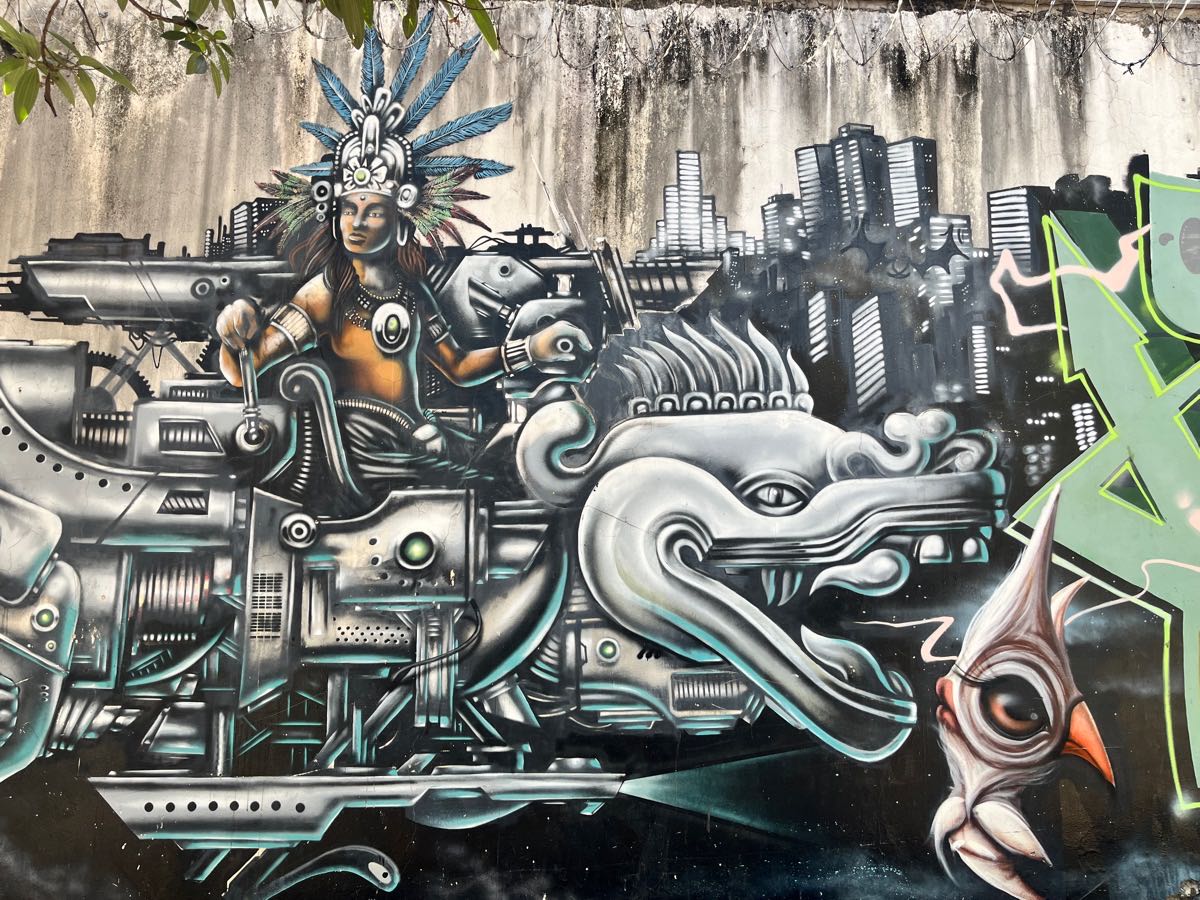
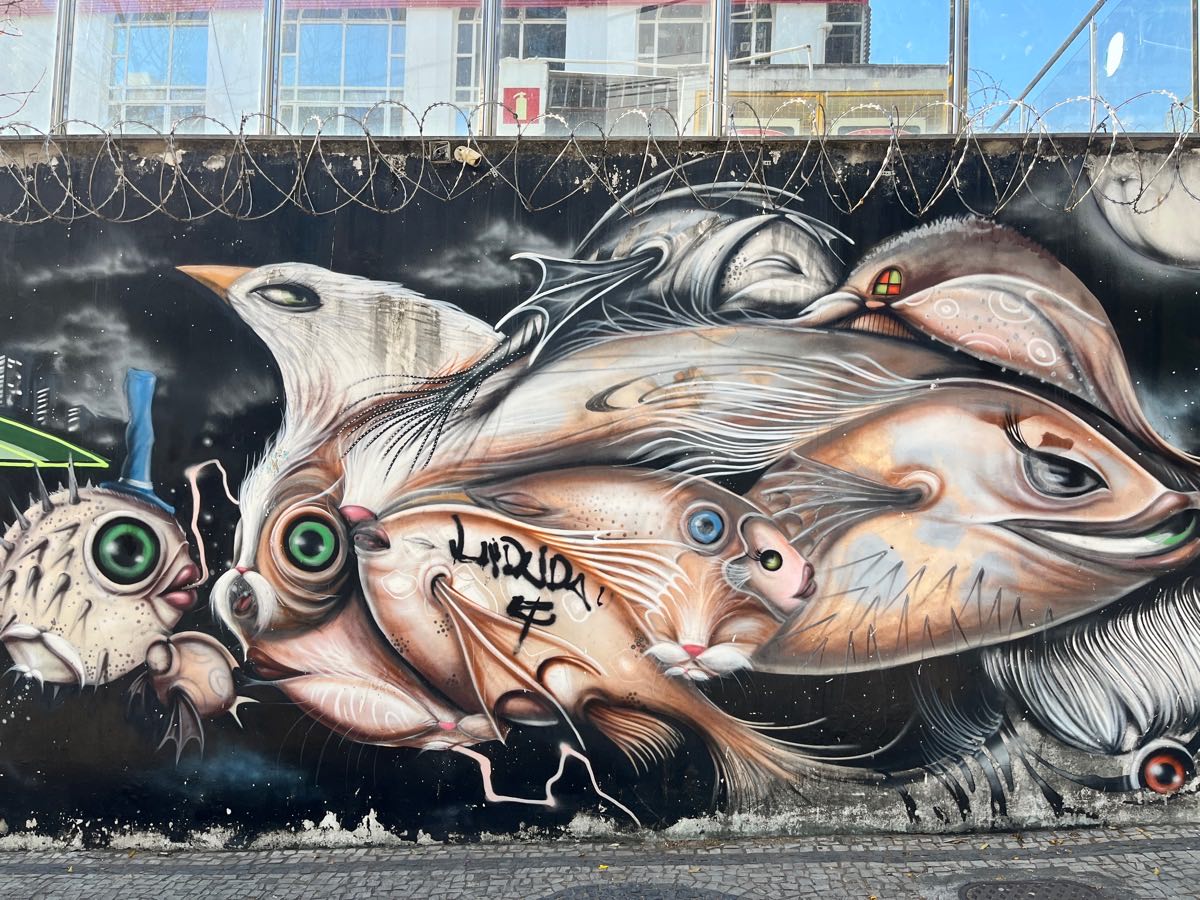
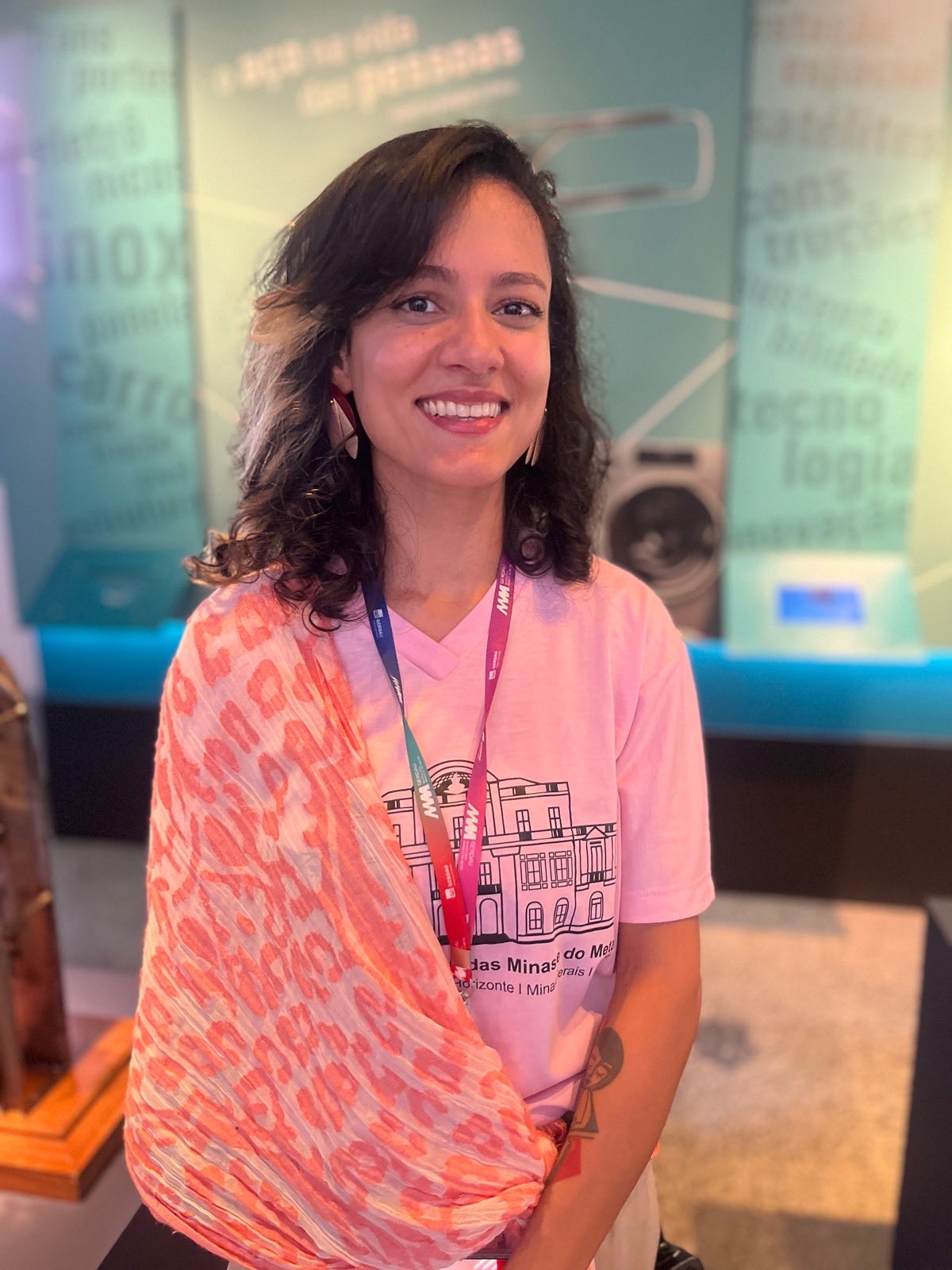
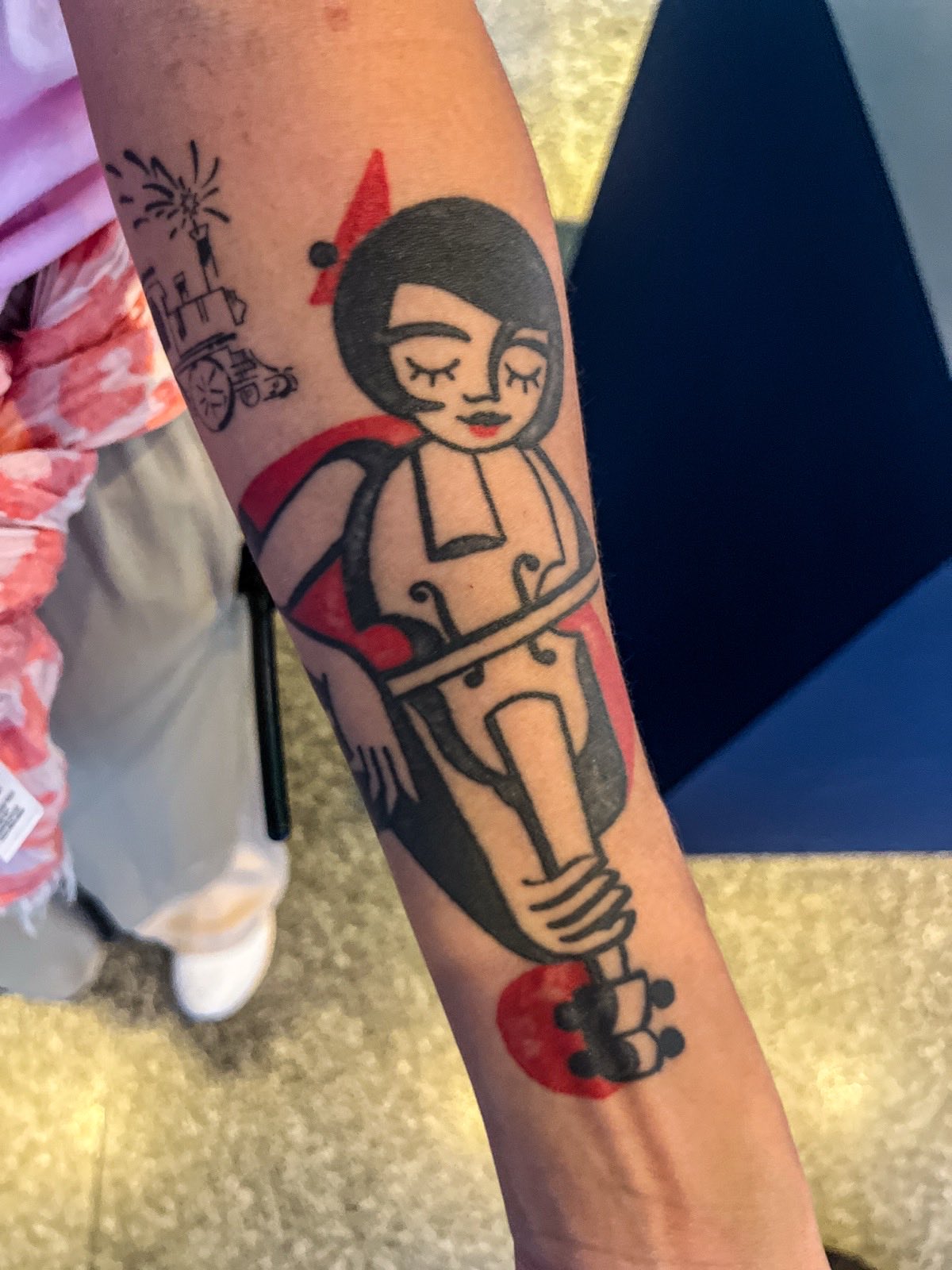
It’s warm but there’s a breeze, we walk up to the Museum of Mining and Metal back in the Praça da Liberdade, passing some great murals (I can’t find an artist name to credit). There we get in to conversation with Marcela who’s keen to speak English (she lived for a while in Bournemouth). She’s a fan of classical music and has an unusual violinist tattoo on her arm. Getting more confident in English the longer she talks, she gives us a detailed account of the mining and metal industry in Brazil and it’s fascinating, she’s enthusiastic. There’s great photographs from the 70s; miners and business executives in fabulous flared trousers.
Back to the restaurant ‘Cafe do Museu’ in the Centro Cultural Banco do Brasil. The staff remember us from a few days earlier, and the napkin trick…smiling and laughing with us, the food as before is excellent. Back outside two young women are kissing in a passionate embrace and a young man in red lipstick pouts playfully. In a continent known for its machismo it’s refreshing to see. Drummers are beating out a rhythm, a group of young people dressed alike are recording with professional equipment on the bandstand, hippies are selling twisted wire necklaces set with magical stones; a meeting place of wonderful misfits.


Flying to São Paulo
August 24. Our taxi driver knew all the shortcuts to the airport, he weaved up ramps, through a road closed for roadworks, up a steep hill between crowded houses…but he didn’t speed around like a maniac. Only a 90 minute flight to São Paulo. The airline made Dave take his backpack out of the overhead and keep between his feet…making room for another passenger’s bulky suitcase. Dave at 6ft 2 already squashed in to a small space. We’re paying the same to carry on a small backpack, it pisses us off every time…it’s not right and it’s not fair. It’s overcast and a lot cooler in São Paulo when we arrive. We check in to Hege Jardins and it’s a pleasant surprise. Not an apartment hotel but an actual apartment block, the apartments that haven’t been let are rented out like a hotel room. There’s a small outdoor pool, laundry room and breakfast included for all the residents too. It’s a fantastic set up. We ask about late check out on Friday and the wonderful Isabella on reception tells us to stay as late as we need.
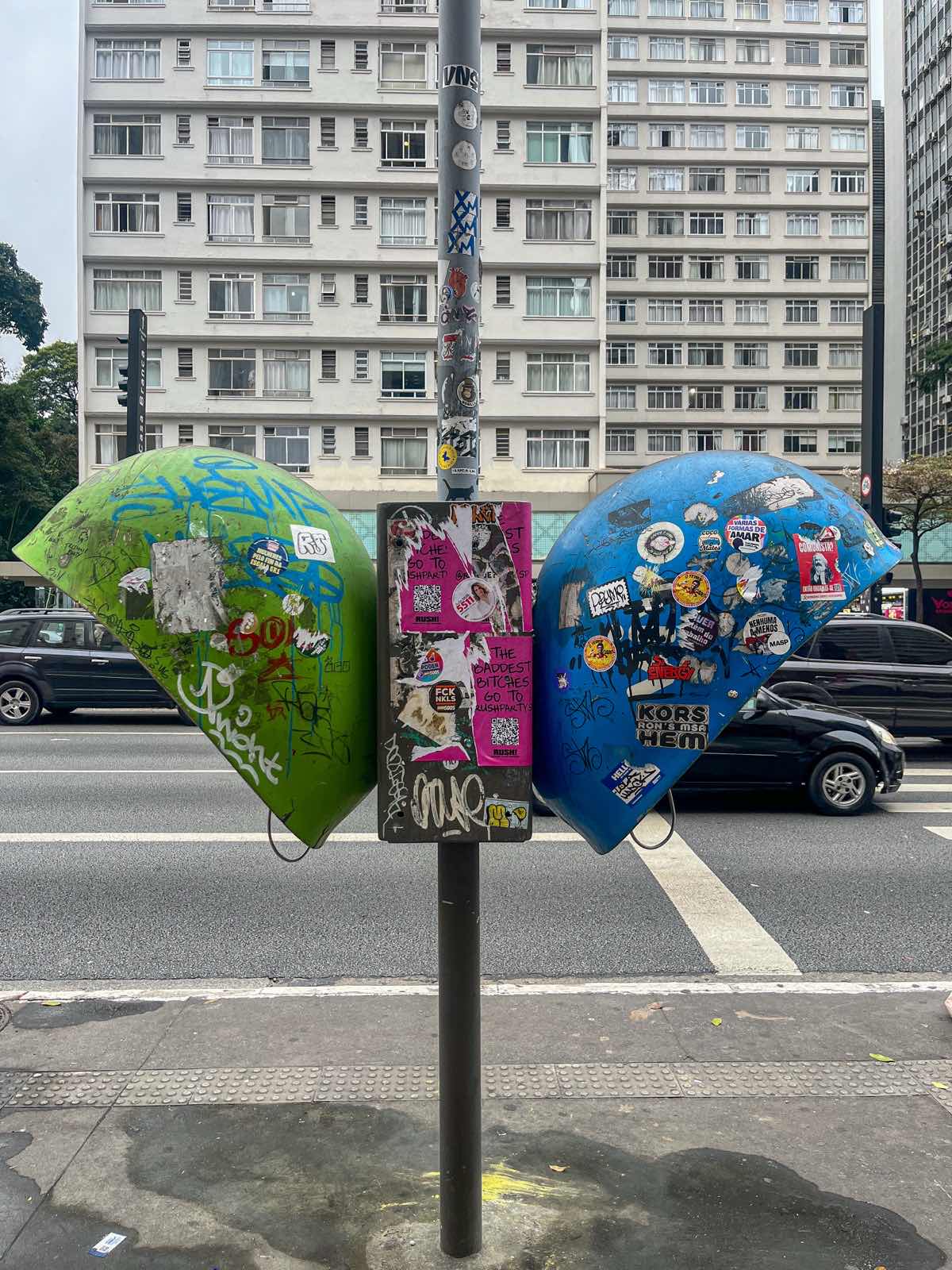
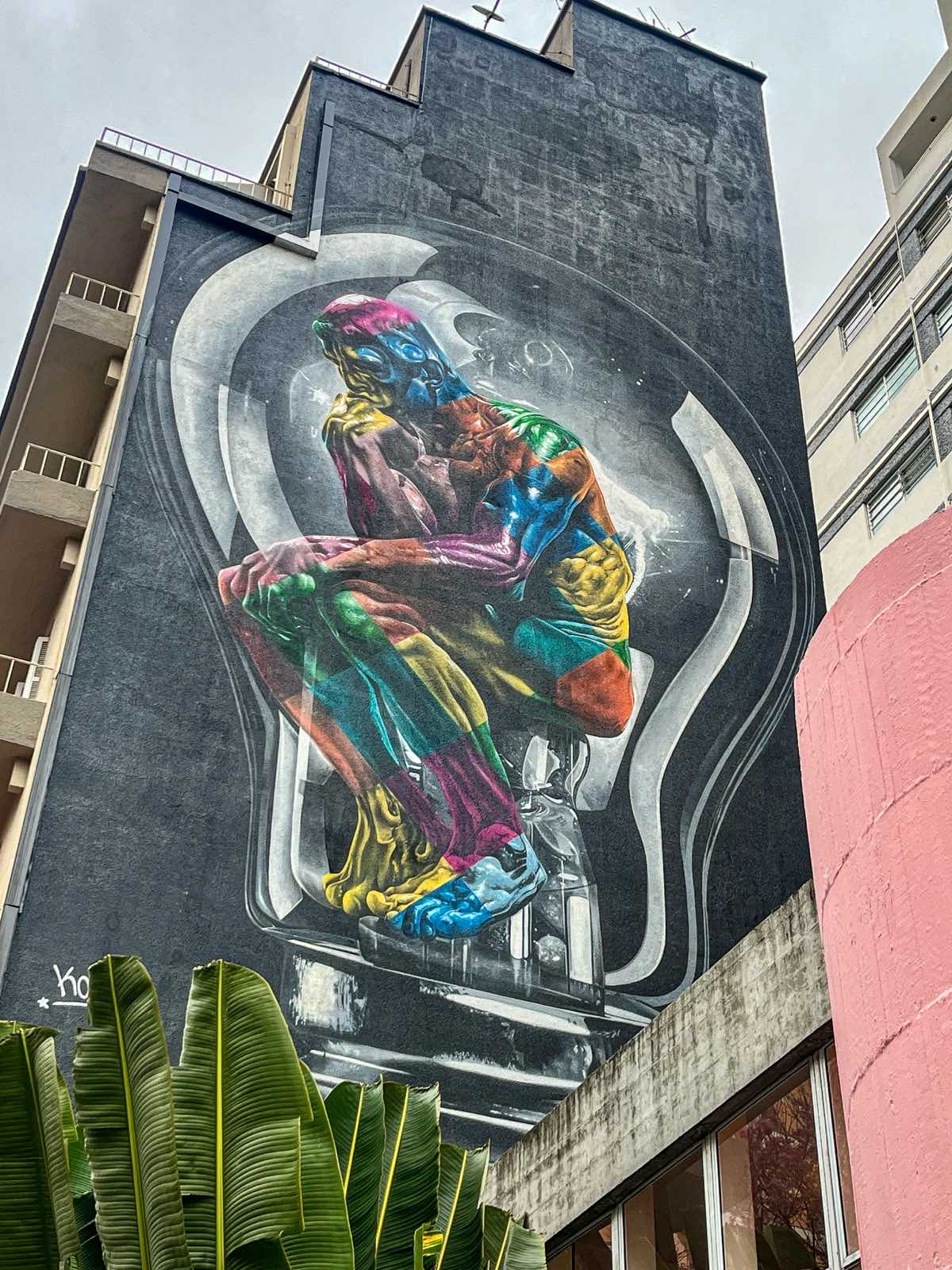
We walk along Avenida Paulista, a wide main road like the boulevards of Paris, lined with shops, tall office blocks. We’re wearing long sleeve tops, it’s around 16 degrees and the change feels dramatic. Other than the first day in Rio, we’ve been in hot weather continuously since China a few months ago. Some of the traditional public telephones (orelhões) are still around, they remind me of the domed hairdryers old ladies sit under. We keep walking to Rua Oscar Freire, passing a Kobra mural ‘Seja Luz’ (Be the Light). I look it up online. Edouardo Kobra painted it during COVID-19 as a challenge for “humanity to rethink its core values, principles, and how we treat one another during difficult times.”
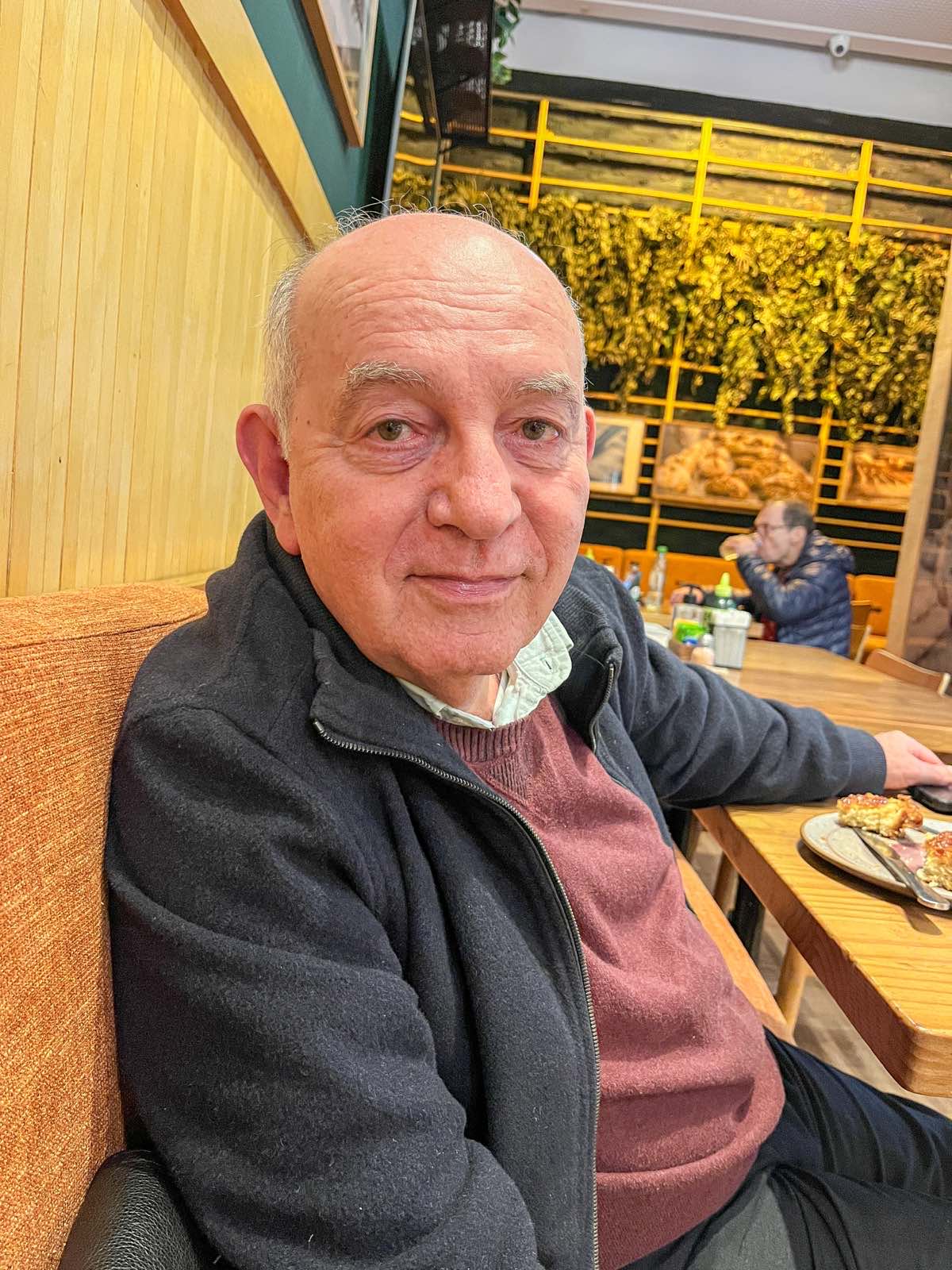
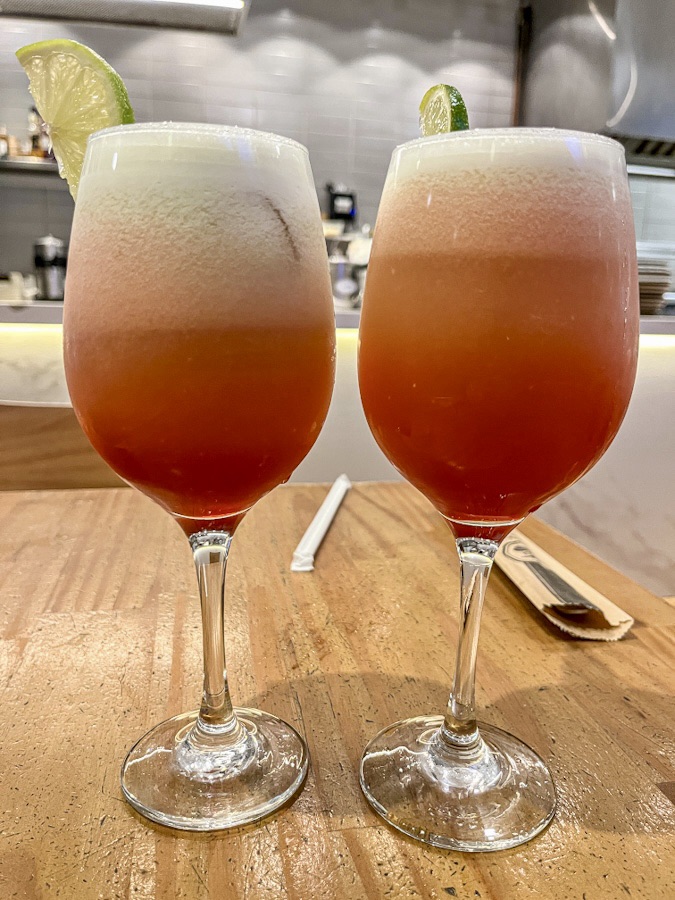
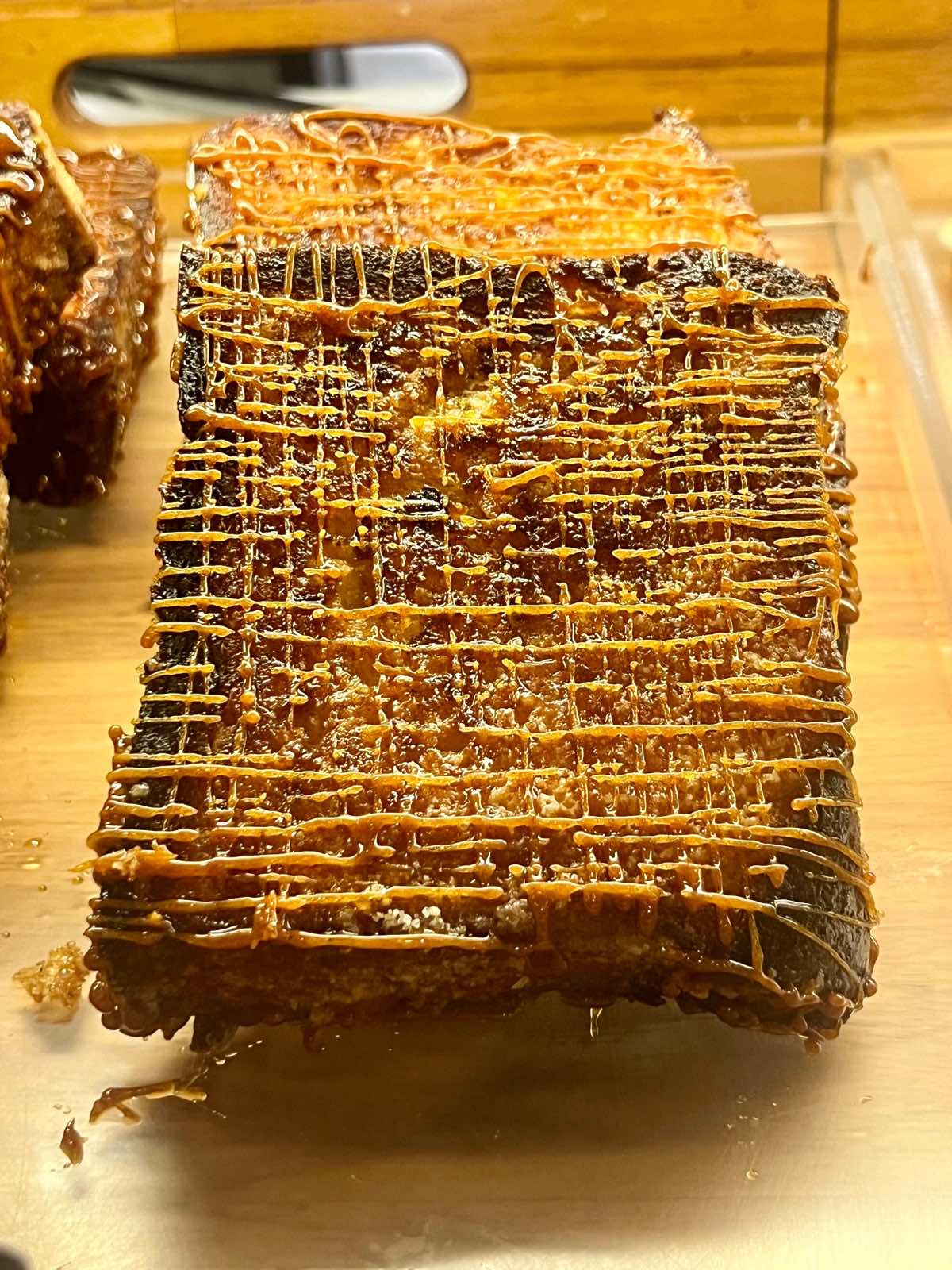
Rua Oscar Freire is a fancier shopping street with big name labels and a Havaianas flagship store selling the ubiquitous Brazilian flip-flop. We stop for a late lunch at A Fornada Padaria Jardins, sitting at a table opposite the serving counter watching as a young man makes our pink lemonades fresh from a juicer with care and precision, they look beautiful. On an adjoining table Edouard, hearing our English, translates for us when the waitress asks a question. He’s eating the traditional Brazilian caramelized bread ‘Rabanada’ and gives me a piece to taste. It leads us in to a long conversation about travel, his youth in a poor family, sponsorship from another family which led him to Boston, then to France, his dream of always seeing England with which he feels a special connection….his work as a teacher and writer for aviation and travel magazines. Like me, Paul Theroux is his favourite travel writer and I advise him to read Theroux’s book ‘Sir Vidia’s Shadow’ about his year’s long friendship with writer V.S.Naipaul. In turn Ed asks about us and our travels. We copy Ed (as he tells us to call him) and order hot chocolates and a slice of rabanada. On another table sits a Brazilian gentleman who resembles an aging movie star with his swept back silver hair, a velvet jacket and heavy framed black glasses. His Japanese friend is boisterous, known by the staff who laugh at his antics. The Japanese man tells me he speaks 6 languages including German because he loves the composers, he names Brahms, says he loves the lullabies then promptly leaps up busting in to song; mimicking rocking a child in his arms, kissing it, kissing the table twice. The staff clap gleefully when he finishes. I love places like this, a whole neighbourhood in a single cafe.
São Paulo
August 25. I’m planning on a lazy day. Dave starts work again on a 5 month contract, set up at a window table in the apartment. We have breakfast together first, granola, fruit, chia pudding, I eat a delicious slice of coconut cake. We talk to a resident living here several months whilst her house is renovated, a family come in with a little boy. Breakfast included for all with their rent…hotel style living in an apartment block. I head out to the local supermarket to get change for laundry. A dog walker passes with 6 dogs, a nanny pushes a toddler in a buggy, uniformed doormen stand outside gated entrances. Facial recognition lets me back in through the security gates and main doors, it’s a wealthy area with a lot of security. I ask Isabella if they have a hairdryer and I’m loaned a brand new one still boxed. Whilst waiting for my washing to finish I videocall Dad, Isabella offering me the privacy of a meeting room. I watch the last episode of ‘Legends’ with Steve Coogan and Tom Burke (it’s great). Dave goes for a short break returning with sandwich fillings, it’s enjoyable making our lunch for a change. Rachel calls me and we chat for over 2 hours. In the evening we watch a movie and eat fresh strawberries. I’ve loved having nowhere I need to be, the normality of the day…sightseeing can wait, or not happen at all.
São Paulo
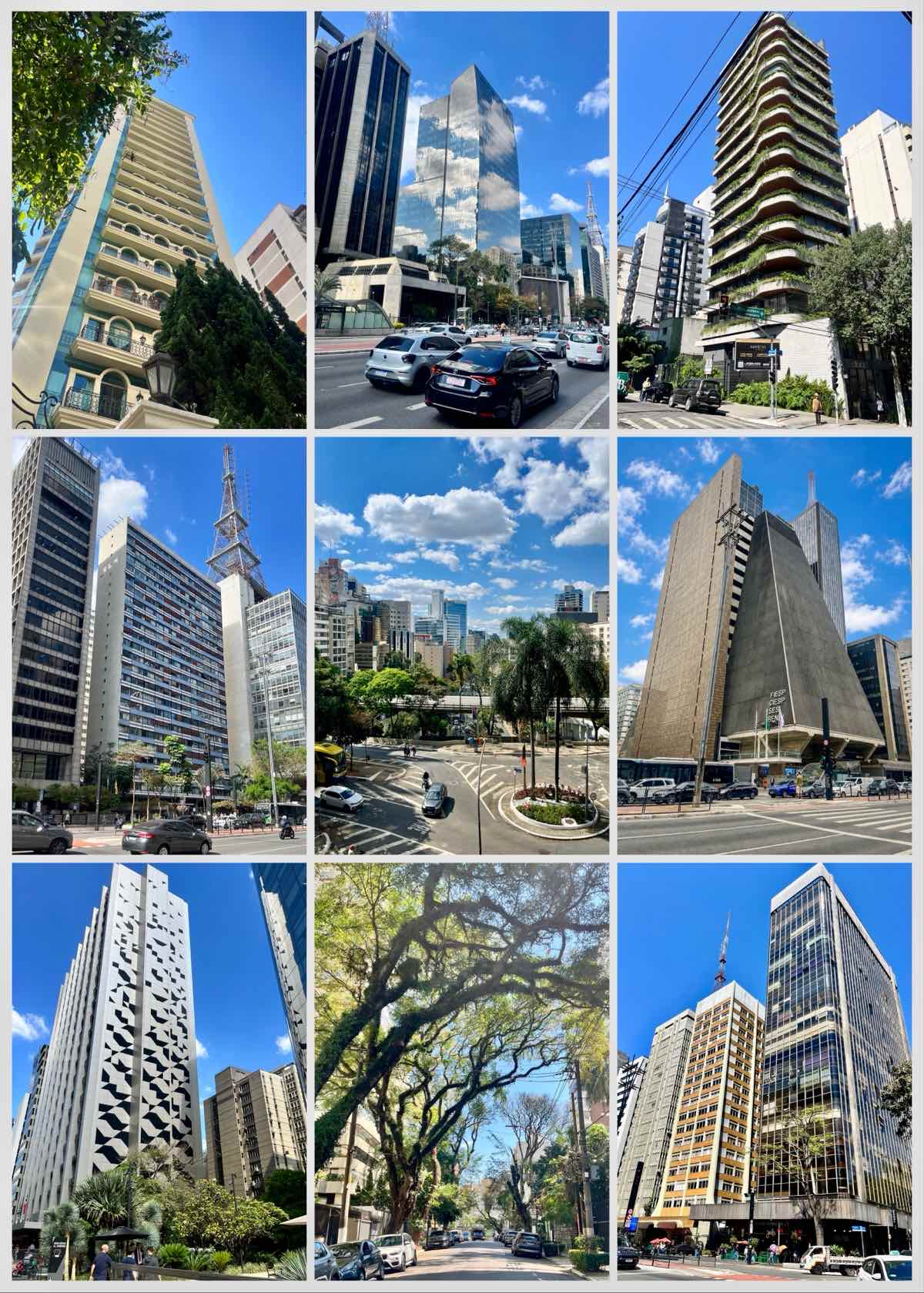
August 26. Dave’s working. I’m excited by the possibilities remote working can give us. As long as the time difference plays out we can live where we want. He’s started on 3 days a week, it’s a huge shift for him and I know he’s nowhere close to wanting to retire. I walk along Rua Pamplona up on to Avenida Paulista, it’s a beautiful day and I photograph the buildings, but I’m not in the mood to explore further, my mind elsewhere, trying to work out where we’ll live. The US will be our home for some time longer but where is an ongoing conundrum. I know I want out of New York and I want more greenery but the issue then becomes about being car bound. We’ve been spoilt with easy public transport in New York City and London. I’m back online for the rest of the day trawling through temporary lets; we need a trial stay.
São Paulo
August 27. I leave Dave working and go for a wander around the local streets; turning left out of the apartment and left again in to Rua Batataes, looking up at handsome apartment blocks, plants hanging from balconies. Residential architecture in this (wealthy) area is attractively designed. I turn right on to Rua Pamplona again, a steep street of busy cafes, office workers having lunch. A man draped in a blanket rages at me in Portuguese then realising I don’t understand, changes to fluent English heavy with an African accent. He’s eloquent but aggressive. I’m shaken as he threatens me and his coherence gives me pause. I’m used to this from living in New York…lost people with fire in their heads.
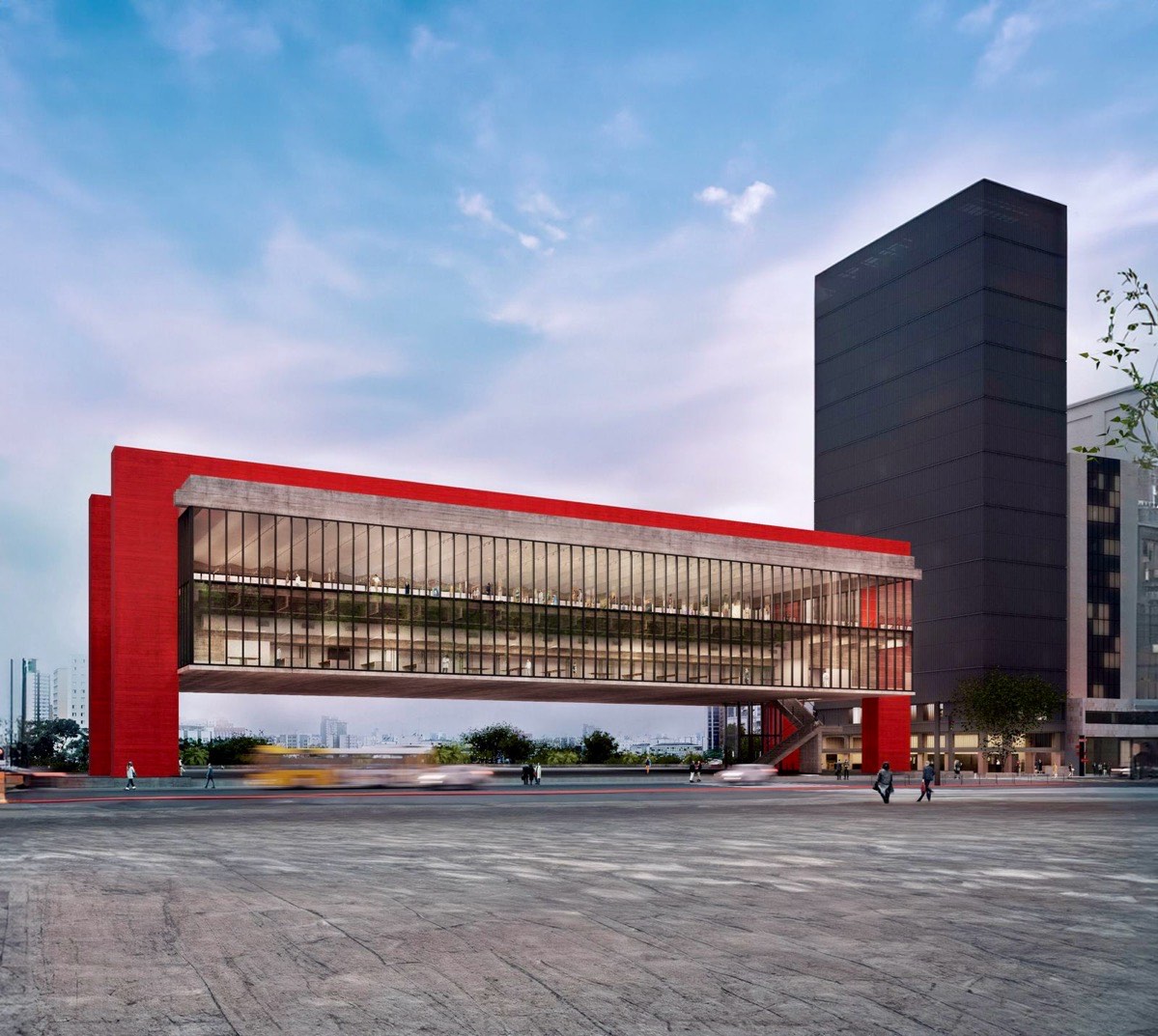
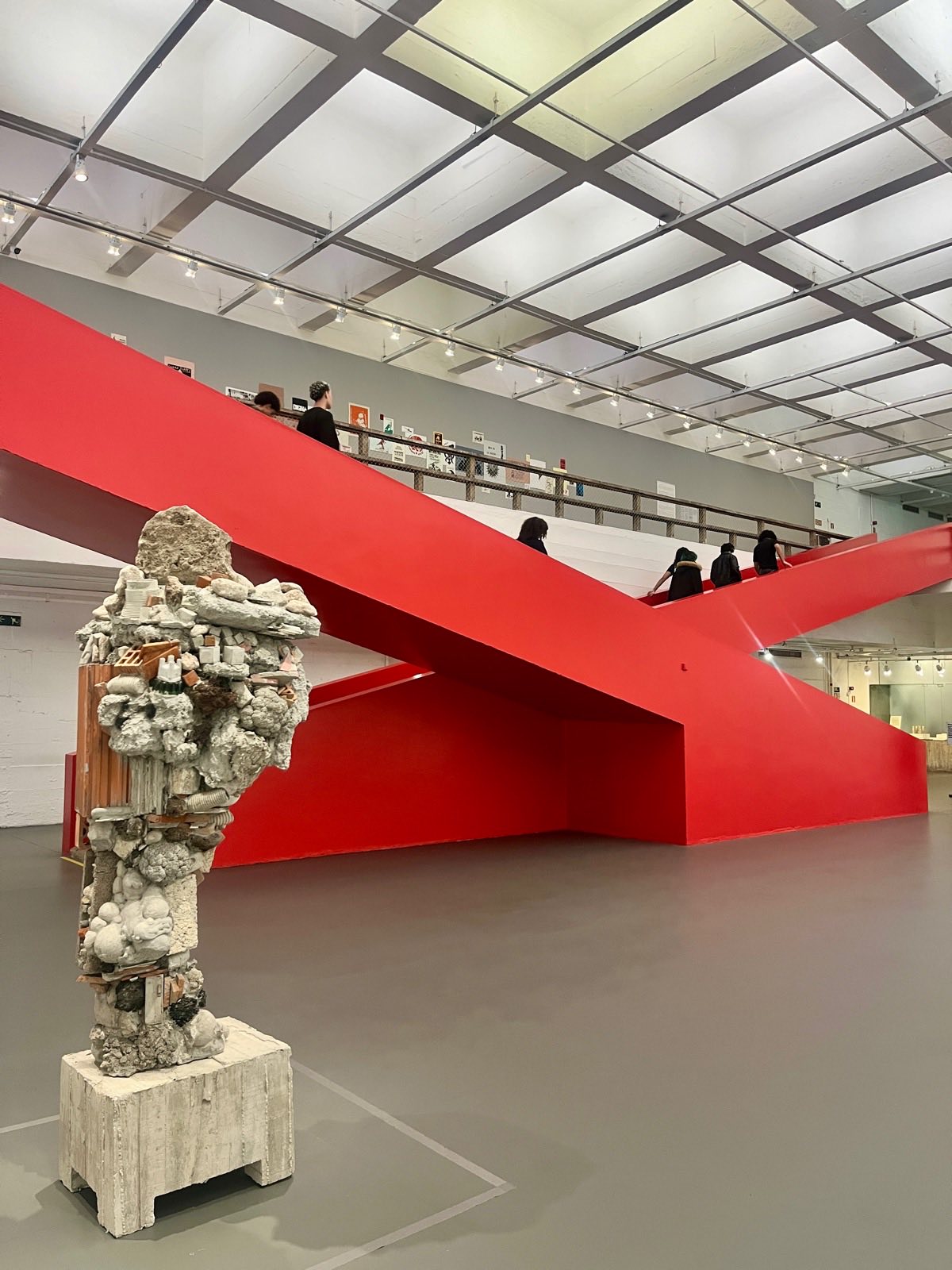
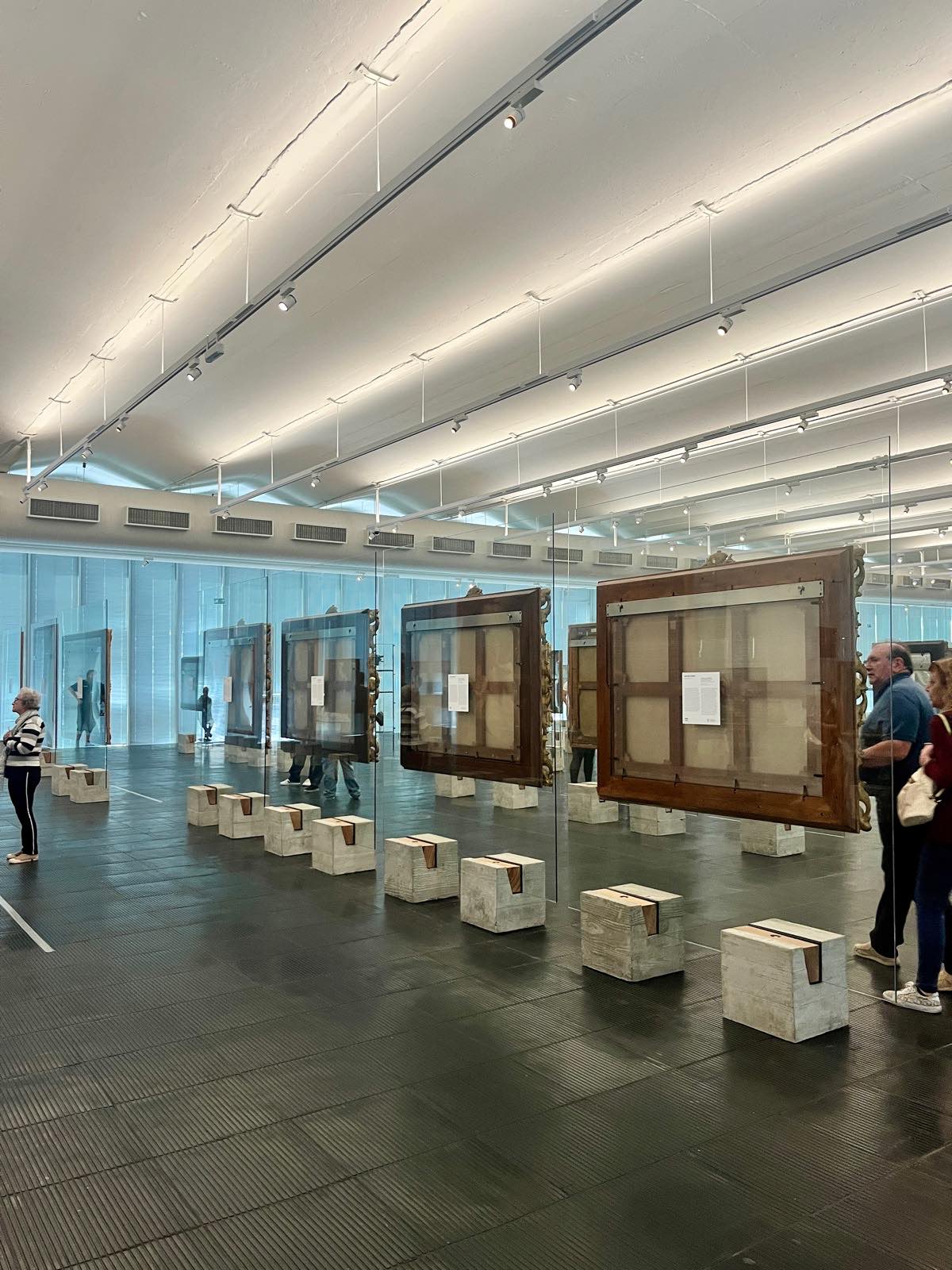
I turn on to Avenida Paulista to visit MASP (Museum of Art of São Paulo); an innovative design created by architect Lina Bo Bardi in 1968. A striking oblong red box with the recent addition of a tall back building bookmarking one end of it (main image of the building taken from MASP website). Inside, the main gallery is 243 feet long with paintings displayed in glass ‘easels’ mounted on blocks with artist information on the reverse. It’s an impressive looking space and an innovative set up, the only drawback is needing to walk around each painting to refer to the artist info on the back.
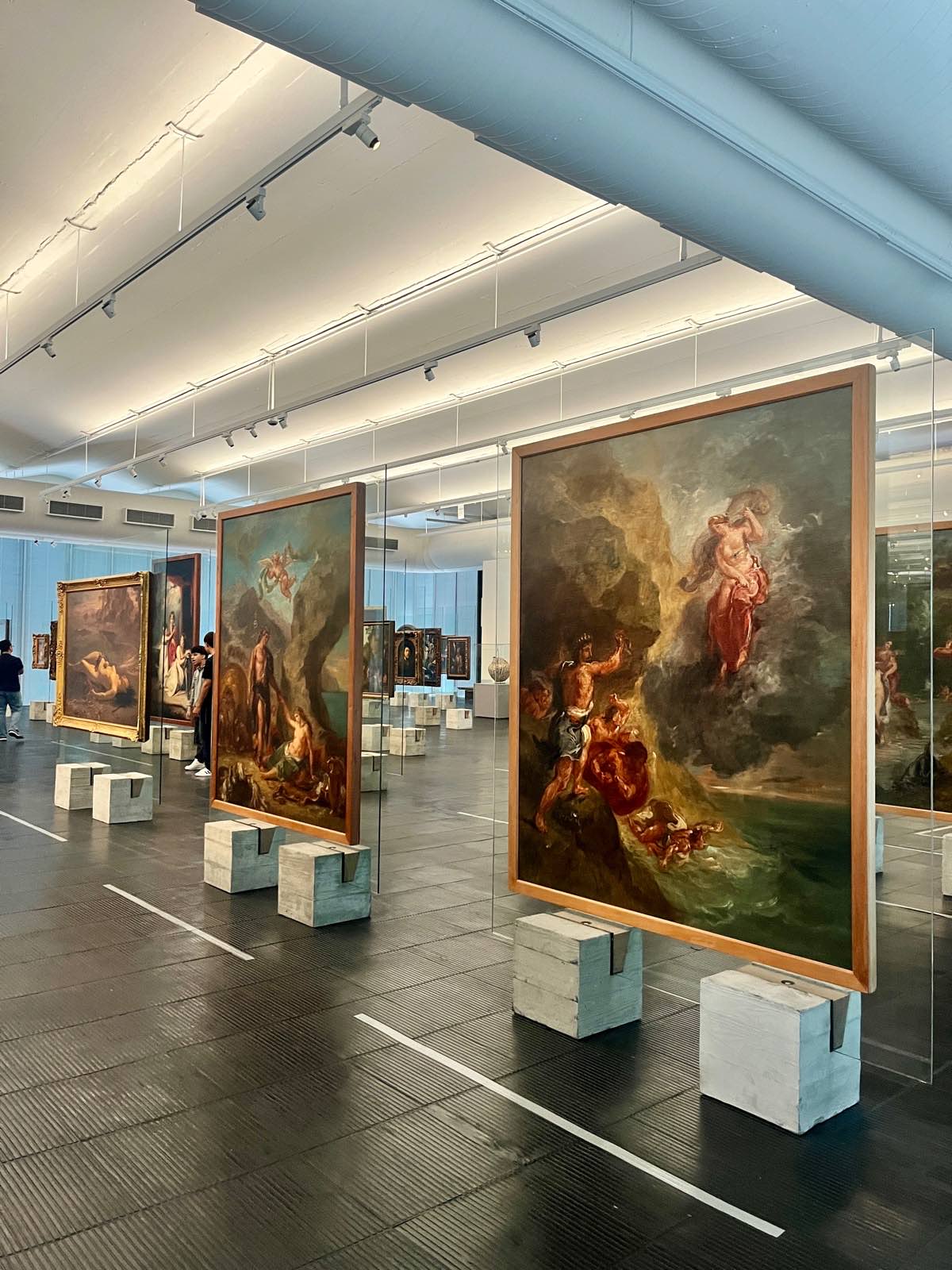
I’m amused by the unusual experience of being followed around the gallery by schoolchildren age 11-12 who are fascinated by my foreignness and pepper me with questions in Portuguese. When the opportunity arises I talk with them through Google translate. It’s odd finding myself an interesting attraction when I’m standing in front of a Cezanne. One young boy photographs the paintings and we point out our favourites. He likes the row of van Goughs, I like the Cezanne, the dogs fighting by Carybé and the portrait of a woman head in hands by Siqueiros. There’s a beautiful Gauguin.
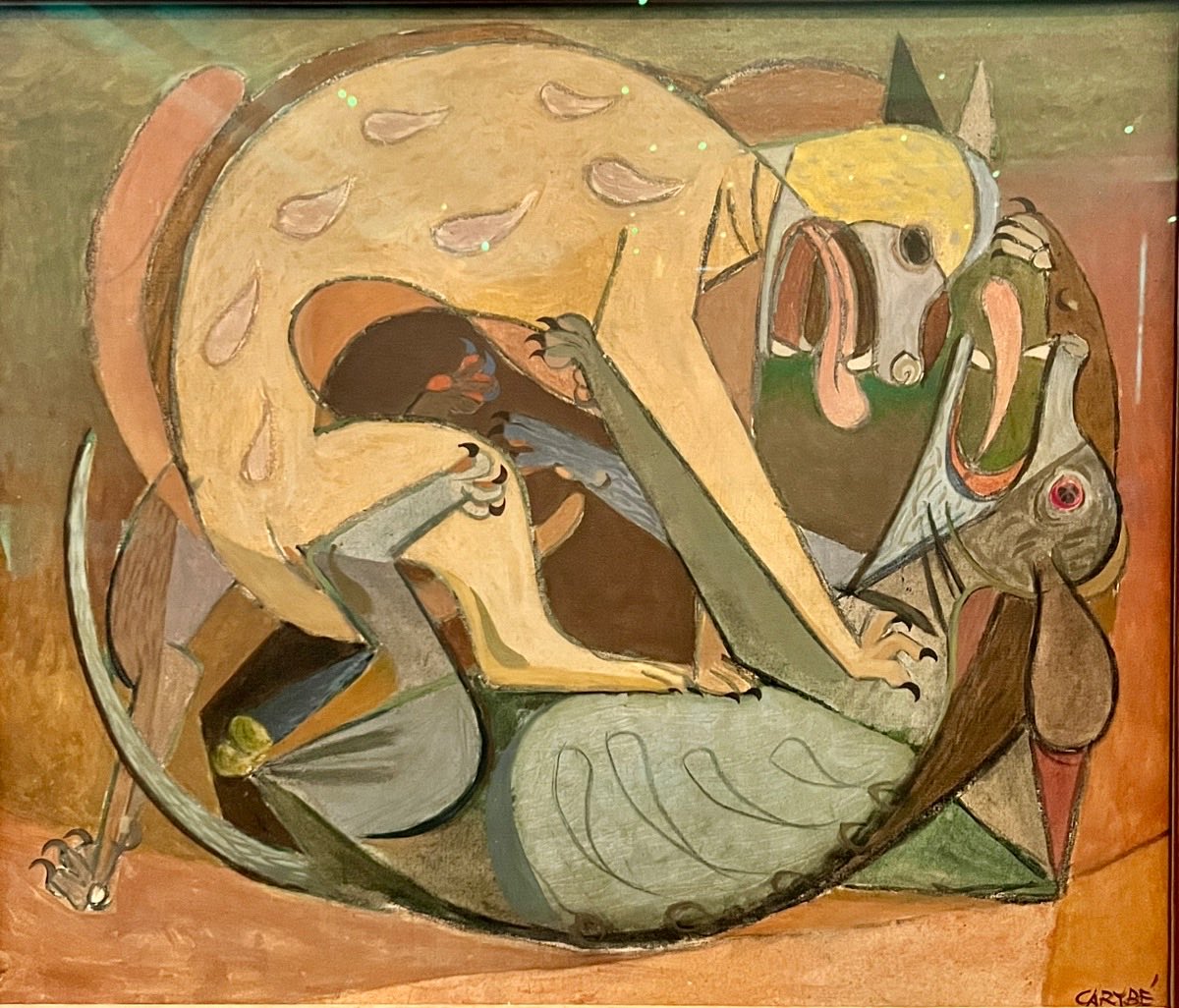
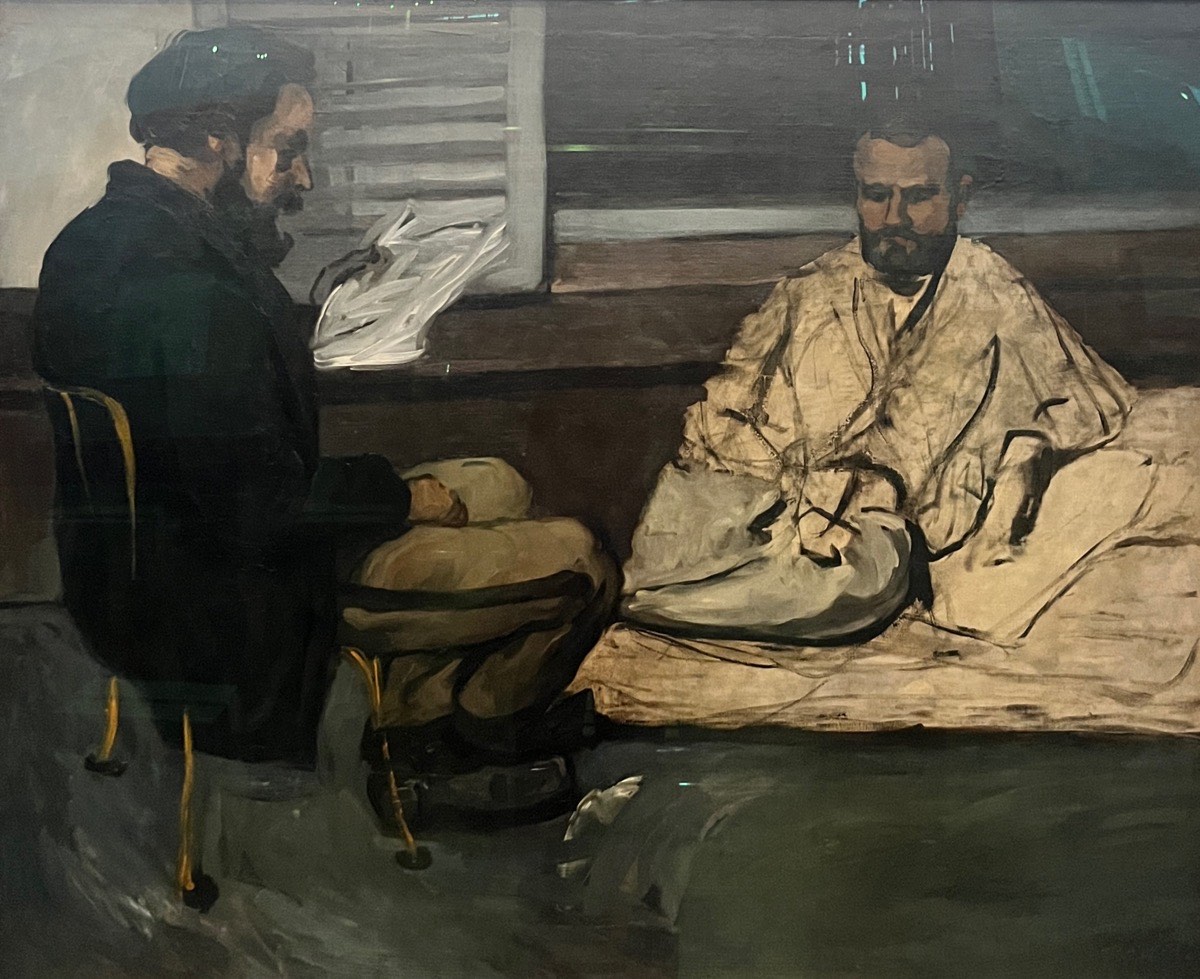
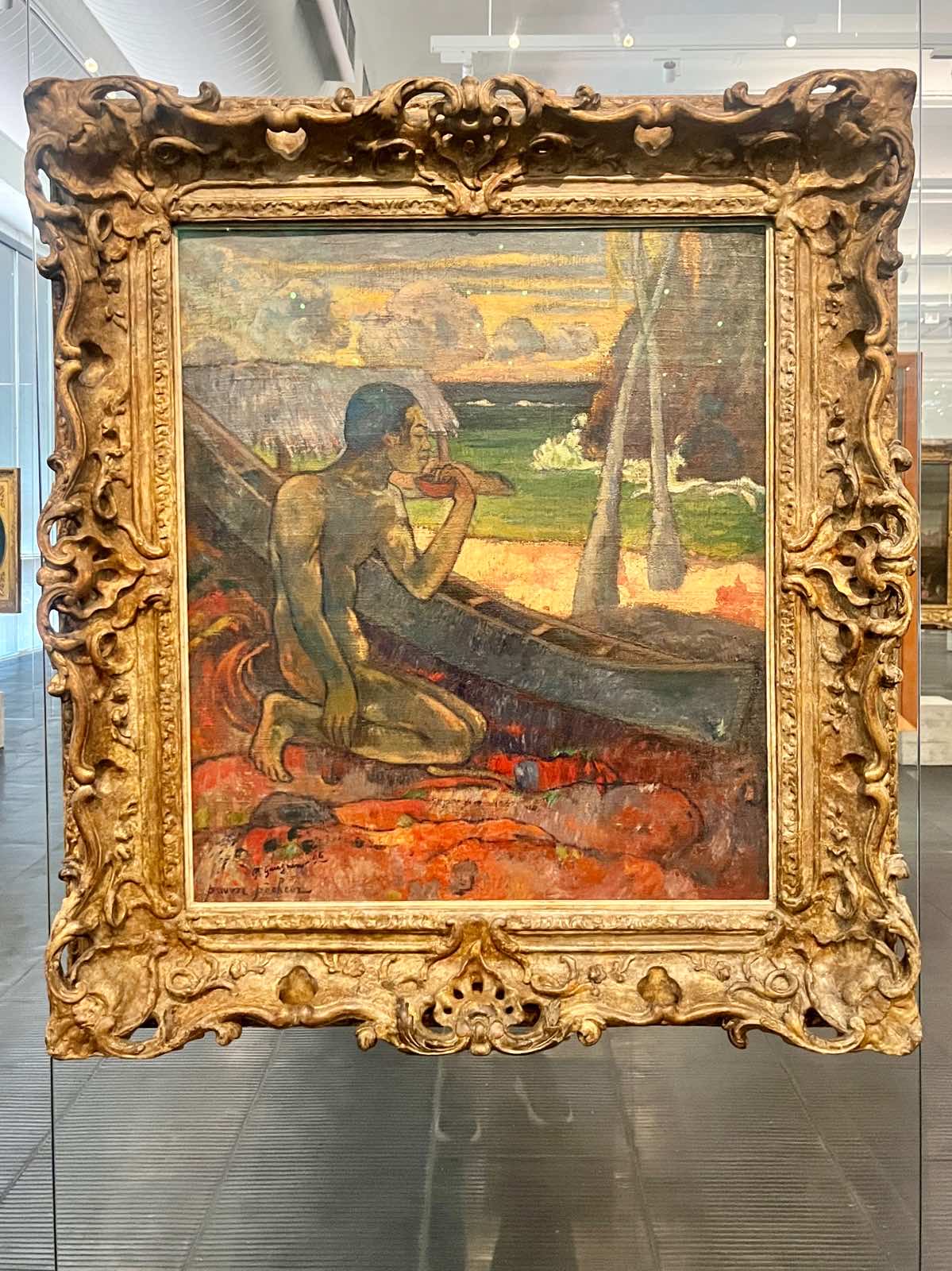
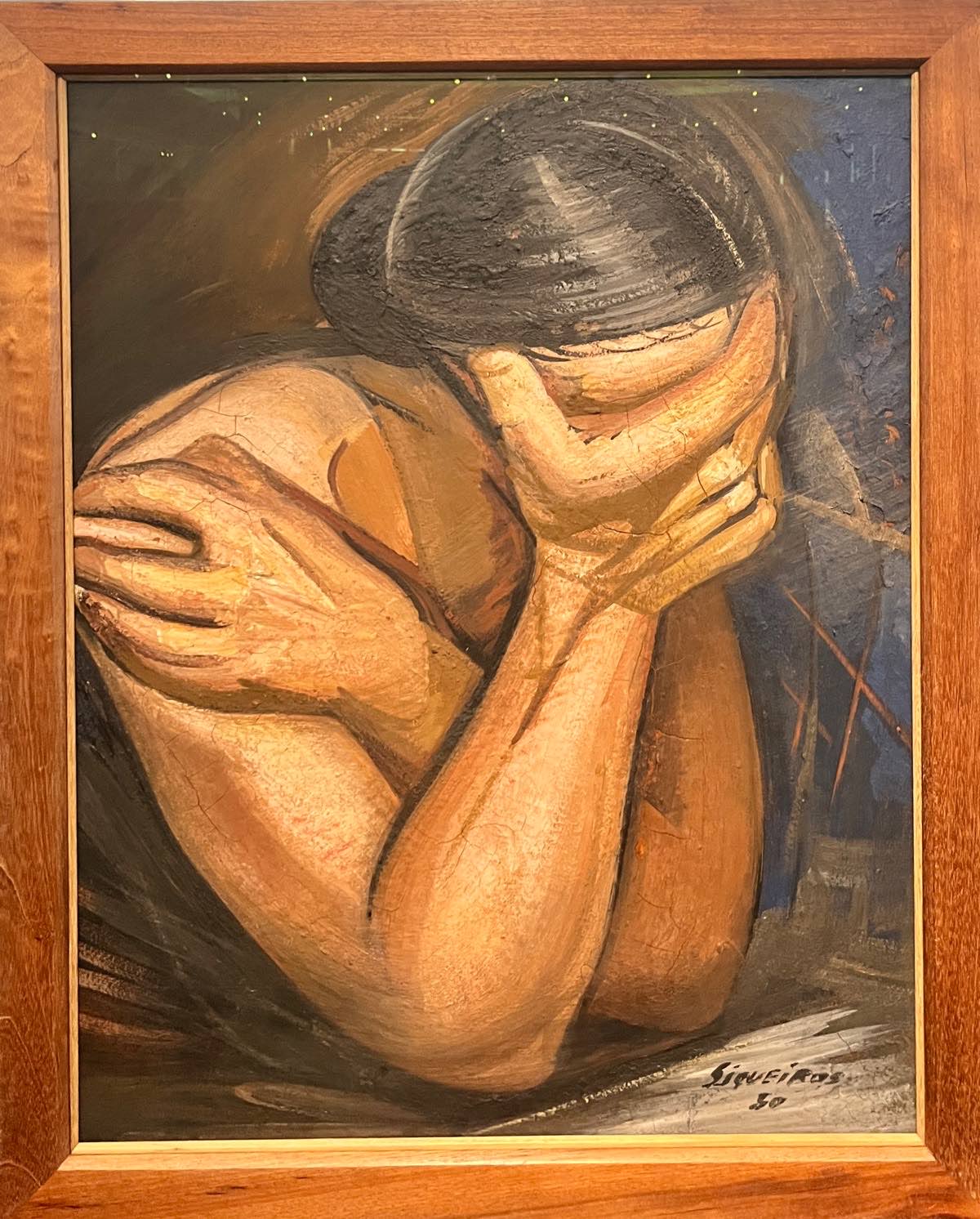
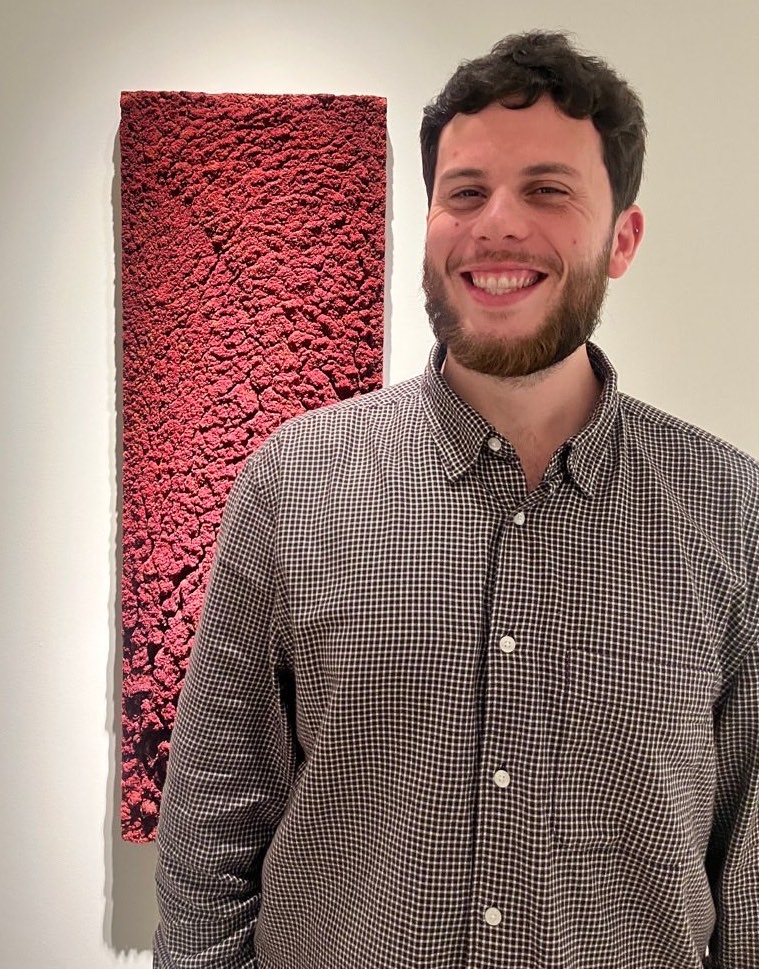
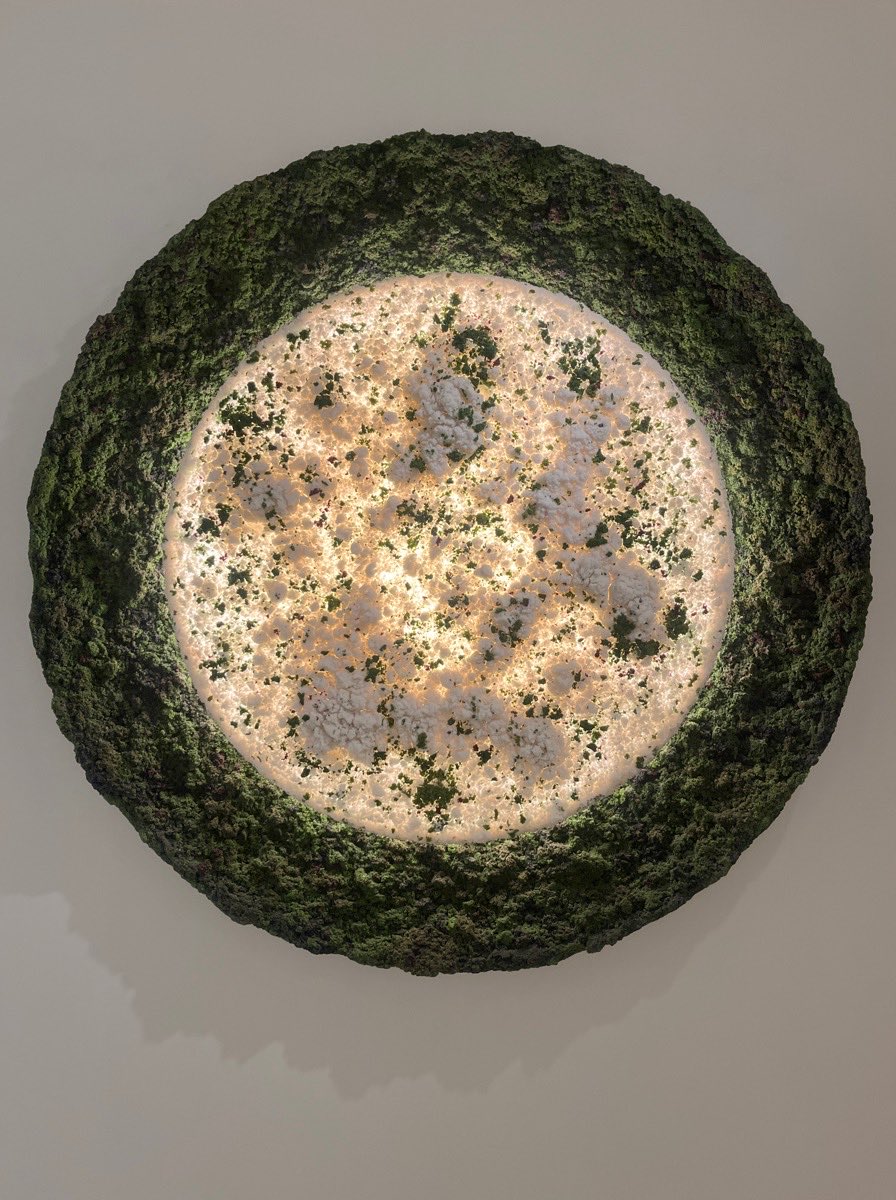
I meet Dave and we eat lunch at Zurich bar and restaurant on the corner of Rua Pamplona and Alameda Lorena…buttery soft steaks and crispy fries. Shortly after he’s back working and I idle until he finishes at 6 and we go out in to the warm evening. We meet Andrey in the Marcos Amato Galeria, he explains that each artwork is made from tiny pieces of pigmented quartz sand grains, creating textured landscapes from tiny pieces. One of the larger pieces is backlit making it luminous and otherworldly.
São Paulo to New York
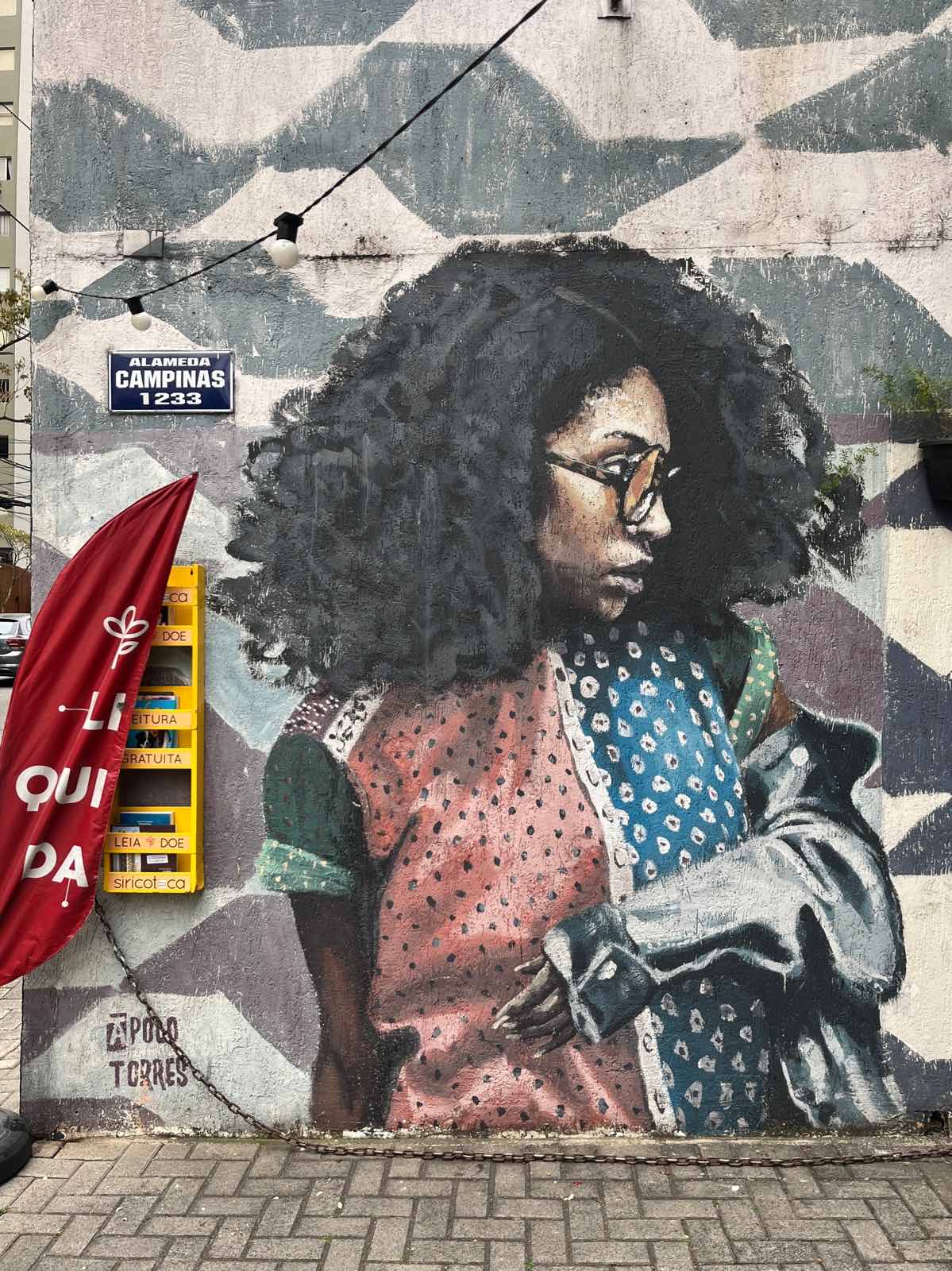
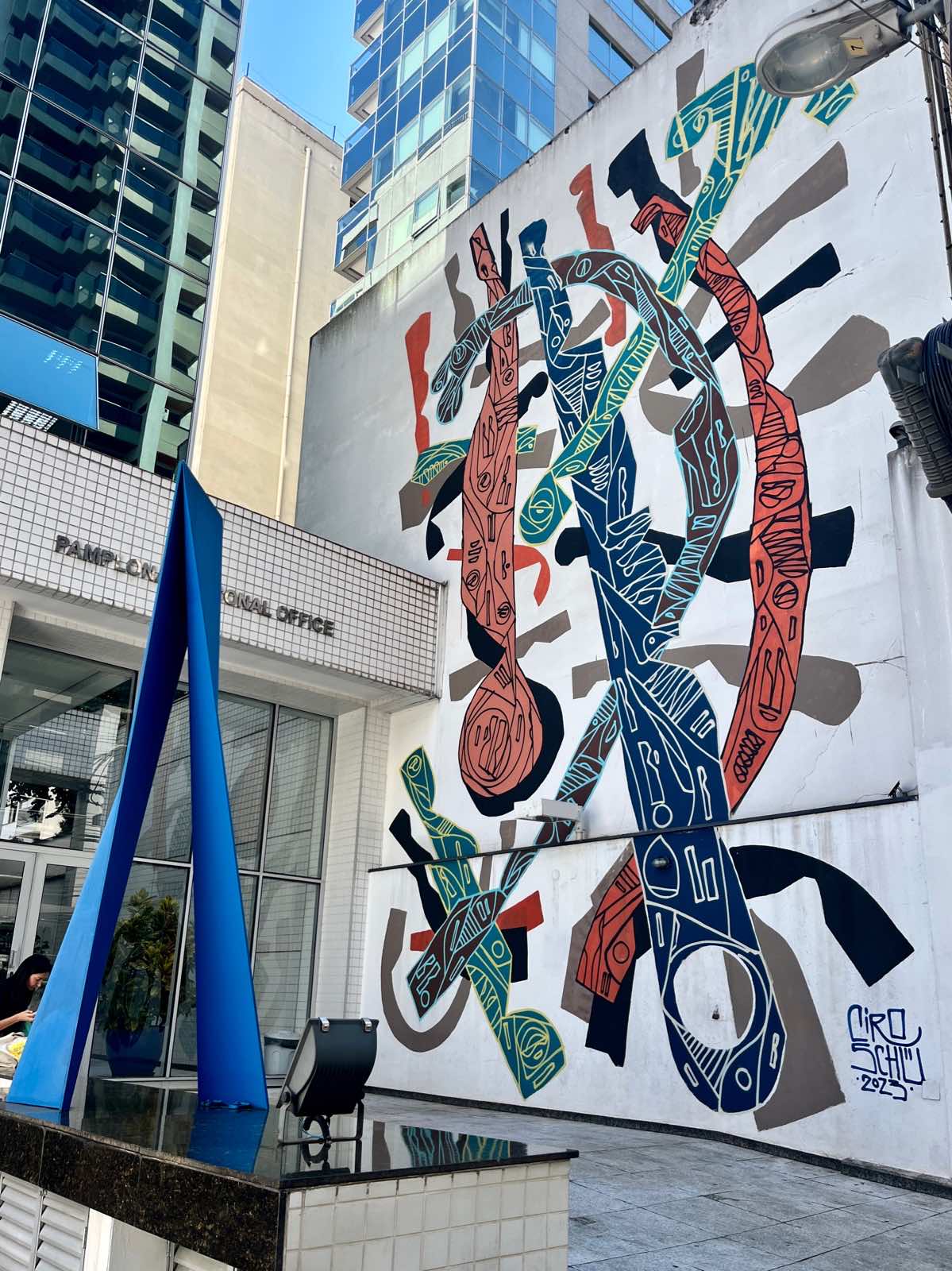
August 28. Dave’s day off so he goes to MASP to see everything I’d seen yesterday. Walking to meet him I pass two murals I’ve seen frequently the last few days and finally take photos of. Both are distinctive; a young woman by artist Apolo Torres @apolotorres and a gorgeous abstract by Ciro Schunemann @ciroschu (both on instagram). If you look for it there’s just as much great art to see for free on the streets as there is in the museums and galleries.
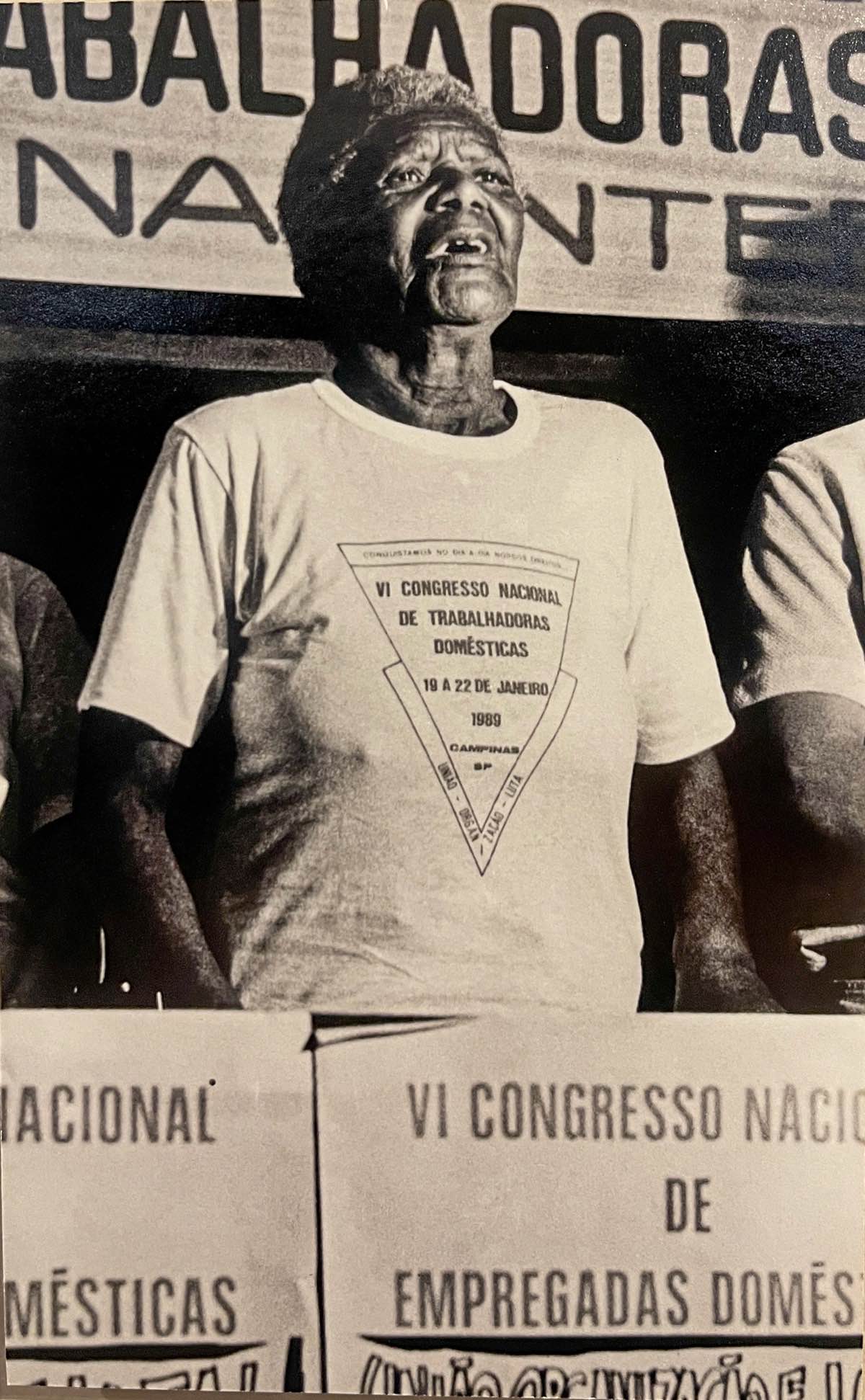
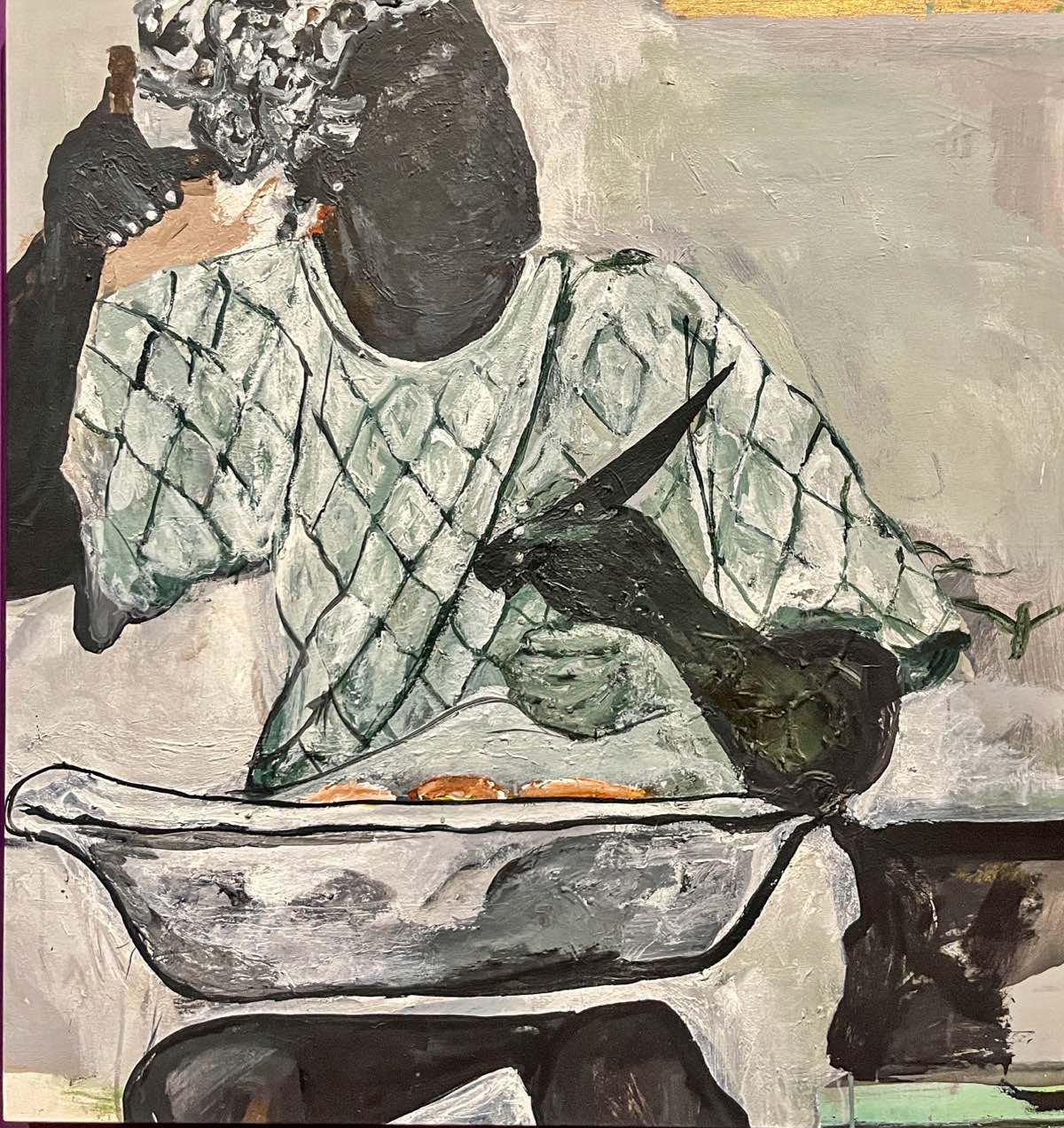
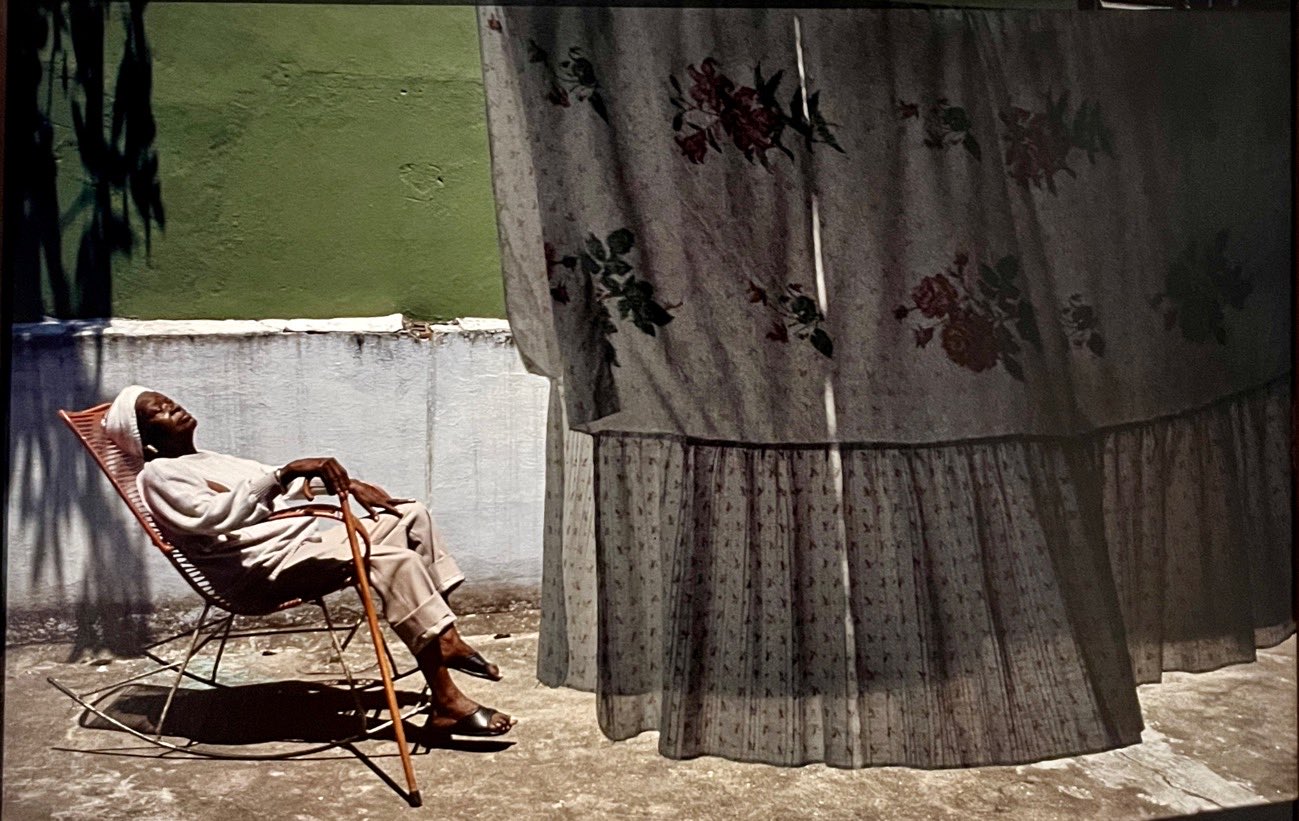
I find Dave out back of the museum sitting in a deckchair topping up his tan. We wander in to Parque Tenente Siqueira Campos, cutting around the park to walk back on to Avenida Paulista to IMS (Instituto Moreira Salles), a photography museum and library which Andrey from the gallery told us about. Sadly the main floors are closed for new shows being hung, but we do see the exhibition about Afro-Brazilian activist/labour organiser, Laudelina de Campos Melo (1904 -1991). A domestic worker for most of her life she campaigned against discrimination toward working women, setting up the first domestic workers’ union in Brazil. A powerful photograph shows her speaking in 1989 at the Congress of Domestic Workers. Among other exhibits there’s a painting by Arjan Martins which catches a woman in mid conversation whilst preparing food and a quietly beautiful portrait of one of Brazil’s greatest singers Clementina de Jesus resting in the sun, by photographer Walter Firmo @walterfirmo (instagram).
Back to our favourite place to eat lunch, packed with lunch goers here for the buffet. Back to Hege Jardins to shower, pack and say goodbye to Isabella…then back in an Uber to the airport. On the driver’s instructions we hide our phones as we passed through a gridlocked area of the city at night; he tells us thieves smash car windows to steal. He had the front passenger seat pushed forward to block them grabbing anything and (alarmingly) showed us his box-cutter knife. Using Google translate he told us: “I will tell you when we reach the ‘marginal’ then it’s plain sailing”. Brazil has a reputation and I’ve never seen so many security gates, security doormen and cameras as there were everywhere in Lourdes where we stayed. The wealthier the area, the tighter the security. Despite everything that’s said about Brazil, we both loved visiting and wished we’d had longer to explore. But we’ve had 4 and a half months of constant travel, didn’t quite hit the 5 months but by now…we’re both knackered.
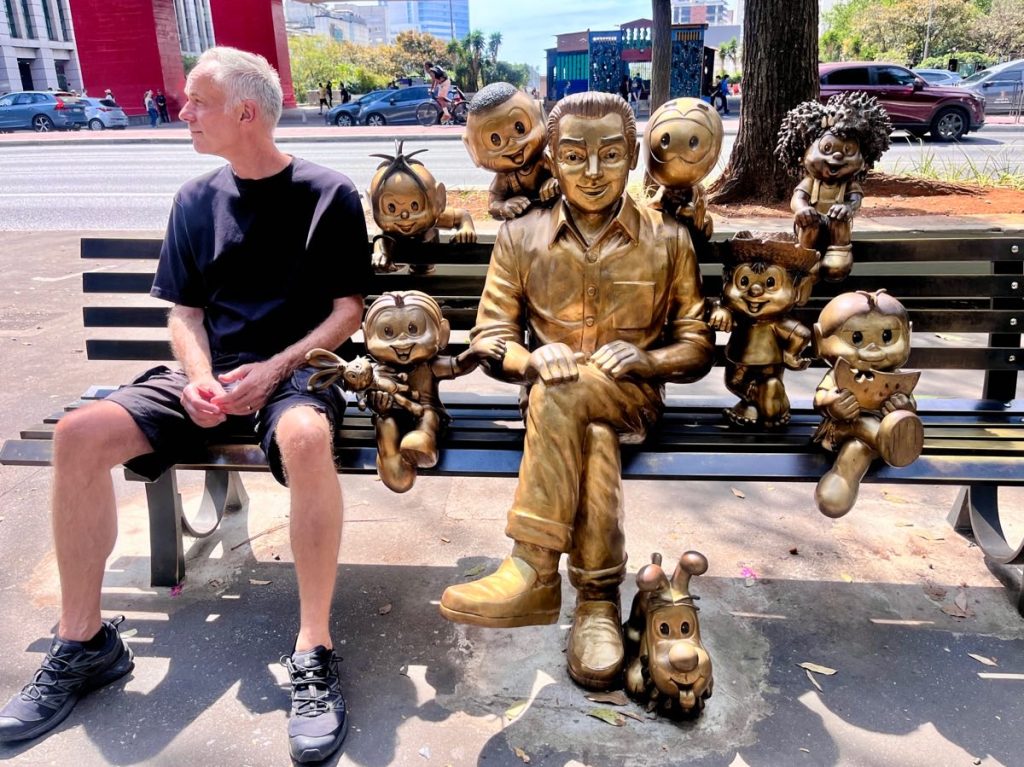
Back in New York City!
August 29. And so it’s back to our adopted city New York, the overnight flight with American Airlines not as dreadful as expected and landing an hour early. A quick exit through customs and immigration…arriving at Kat’s place by 8am. What next? I wish we had the answer but time for more change. Still going in circles trying to figure out where to call home…so now the challenge is on to find where that’s going to be. We’ve taken 19 flights, covered 47,741 miles, been right around the world, 40,111 miles by air, 6,036 by road, 1,594 by train. We’ve met more amazing people and seen incredible things. Earth is a wonder of a place.